

RedKalion
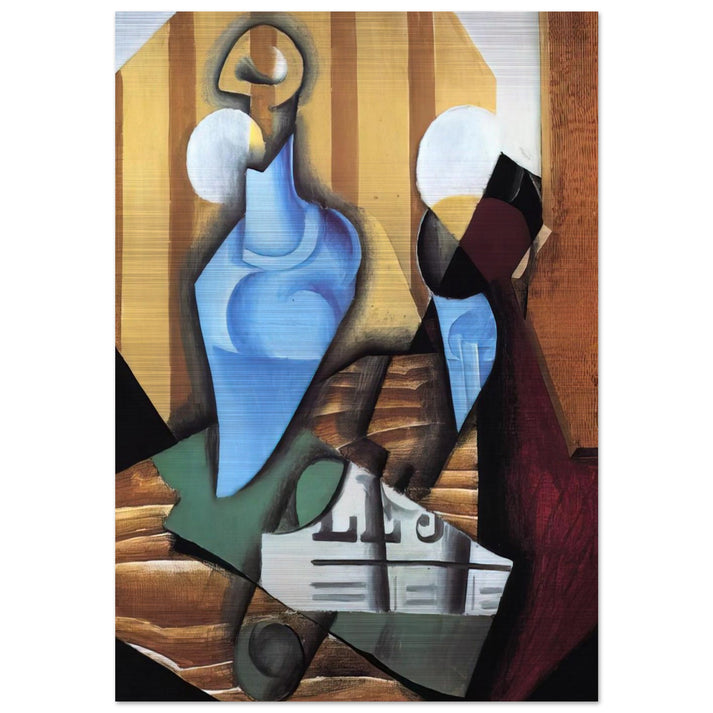
STILL LIFE WITH BOTTLE AND GLASS 1914 - Juan Gris Brushed Aluminum Print - 70x100 cm / 28x40 inches | Juan Gris Aluminum Print | Juan Gris Prints
STILL LIFE WITH BOTTLE AND GLASS 1914 - Juan Gris Brushed Aluminum Print - 70x100 cm / 28x40 inches | Juan Gris Aluminum Print | Juan Gris Prints
Couldn't load pickup availability
Juan Gris 'Still Life with Bottle and Glass 1914' – Brushed Aluminum Print
Immerse your space in the pioneering vision of Cubism with this museum-quality reproduction of Juan Gris's 'Still Life with Bottle and Glass 1914'. As a masterful fine art print, it captures the artist's analytical deconstruction of form, where everyday objects are reimagined through geometric precision and subtle tonal harmonies. Gris, a central figure in the Synthetic Cubist movement, elevates the mundane into a profound study of structure and perception, making this piece a timeless statement for modern interiors.
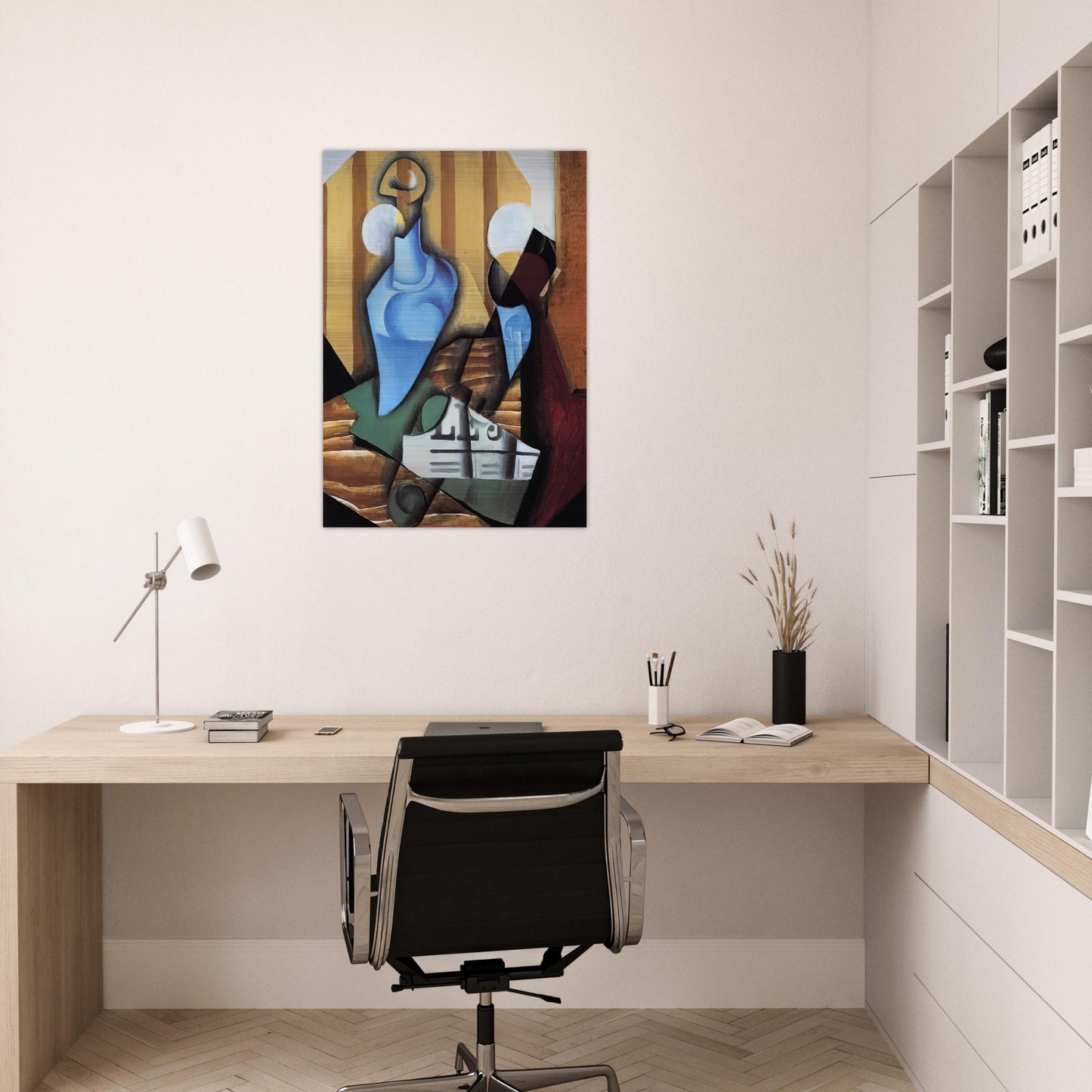
RedKalion presents this archival masterpiece on premium brushed silver Aluminum DIBOND®, featuring a 3mm thickness for exceptional durability and a sleek, contemporary profile. The direct print technology ensures vivid, fade-resistant colors with a sophisticated matte finish, while unprinted areas reveal a dynamic metallic silver effect that enhances the artwork's graphic impact. This Juan Gris aluminum print measures 70x100 cm (28x40 inches), arriving ready to display with an included hanging kit, tailored to your region.
Elevate your collection with a piece that bridges early 20th-century innovation and today's design aesthetics—a testament to RedKalion's commitment to curating world-class, archival-grade reproductions.


Discover Unlimited Art Possibilities
At RedKalion, you can find virtually any artwork from any artist, available in a wide range of sizes to perfectly match your space.
If you didn’t find what you’re looking for, contact us at support@redkalion.com . We will source any artwork and produce it in any size and format you need, including art prints, posters, canvas, framed pieces, framed canvas, and more.
For dedicated art enthusiasts, we also offer handcrafted replicas of any artwork, carefully painted by highly skilled artists using traditional techniques.
For custom requests, contact us at support@redkalion.com .
What are the dimensions and material of this Juan Gris print?
This Juan Gris fine art print measures 70x100 cm (28x40 inches) and is crafted on brushed silver Aluminum DIBOND® with a 3mm thickness for a durable, museum-quality reproduction.
How does the brushed aluminum finish enhance the artwork?
The brushed aluminum finish provides a metallic silver effect in unprinted areas, adding a dynamic, glare-free matte look that complements Gris's Cubist design for a striking display.
Is the hanging kit included with this aluminum print?
Yes, a hanging kit is included with this Juan Gris aluminum print; specific components may vary by fulfillment country to ensure secure installation.
What printing technique is used for this reproduction?
We use direct print on Aluminum DIBOND® for vivid colors and a matte finish, ensuring archival longevity and a premium museum-quality reproduction.
How should I care for this brushed aluminum art print?
Gently dust with a soft, dry cloth; avoid harsh chemicals to preserve the matte finish and metallic effect of this durable fine art print.
What is the historical significance of 'Still Life with Bottle and Glass 1914'?
Created in 1914, this work exemplifies Juan Gris's Synthetic Cubism, using geometric abstraction to analyze everyday objects, reflecting early 20th-century artistic innovation.
How does Juan Gris's technique differ in this piece?
Gris employs a restrained palette and precise shapes to deconstruct forms, focusing on structural harmony rather than vibrant colors, showcasing his analytical approach to Cubism.