

RedKalion
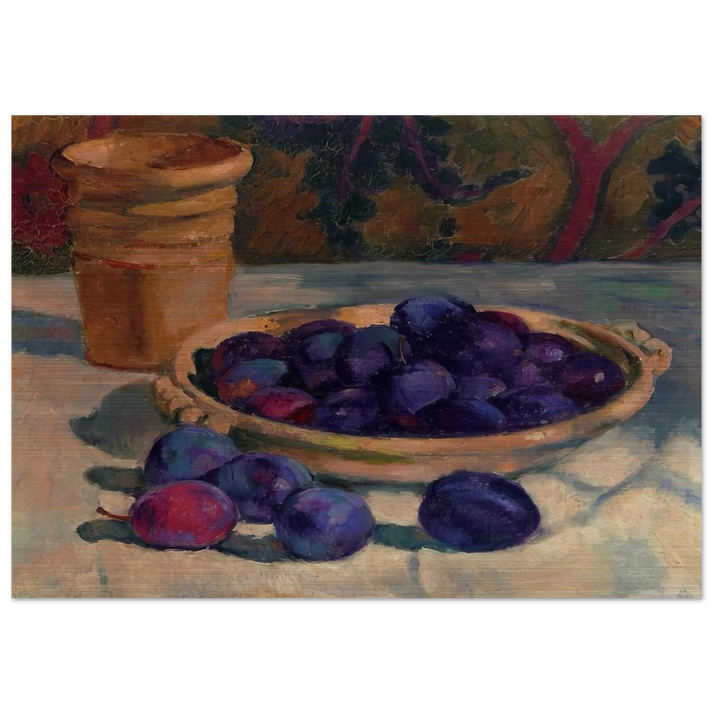
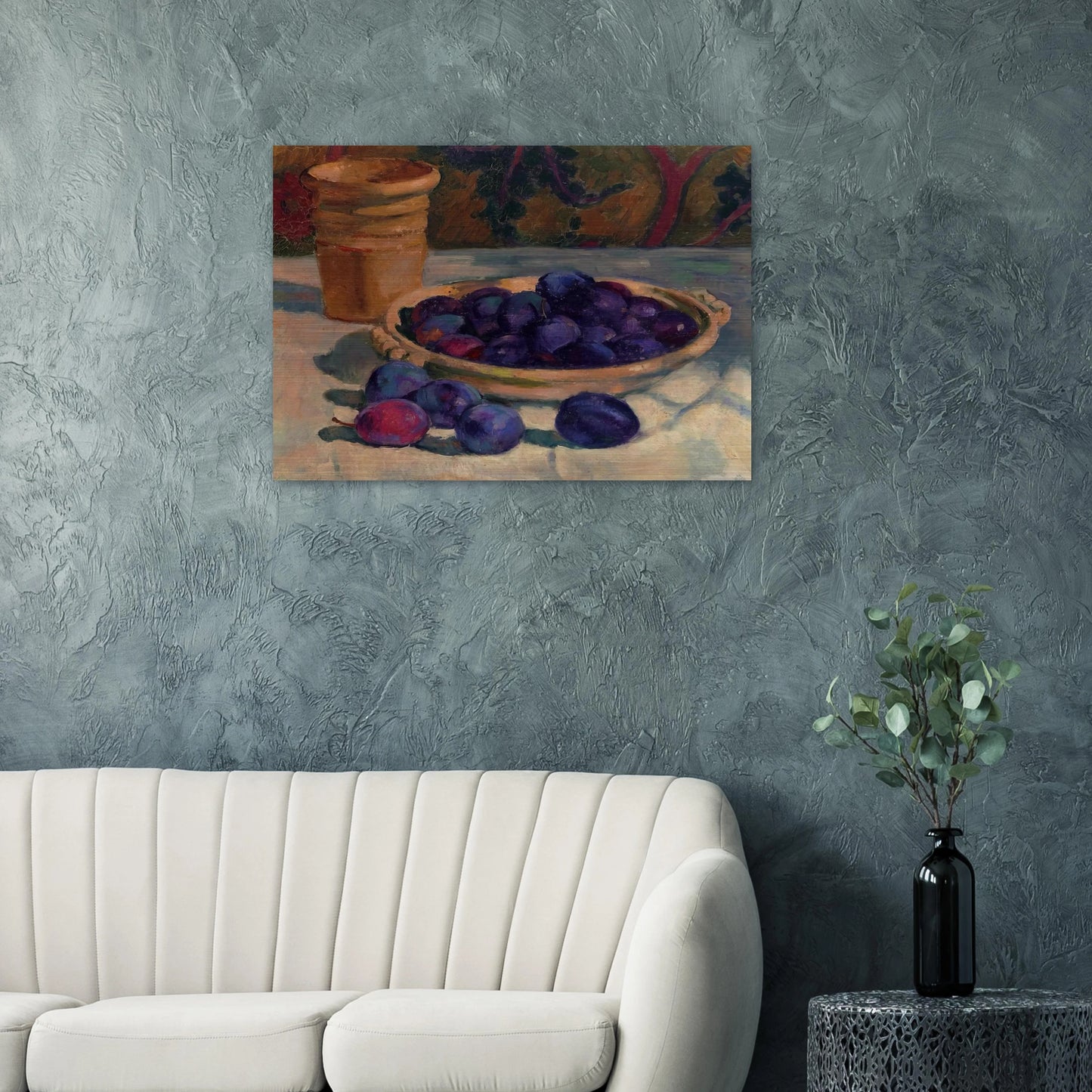
STILL LIFE WITH PLUMS 1926 - Theo van Rysselberghe Brushed Aluminum Print - 70x100 cm / 28x40 inches | Theo van Rysselberghe Aluminum Print | Theo van Rysselberghe Prints
STILL LIFE WITH PLUMS 1926 - Theo van Rysselberghe Brushed Aluminum Print - 70x100 cm / 28x40 inches | Theo van Rysselberghe Aluminum Print | Theo van Rysselberghe Prints
Couldn't load pickup availability
Still Life with Plums (1926) by Theo van Rysselberghe
Immerse yourself in the luminous beauty of Theo van Rysselberghe's Still Life with Plums, a masterful 1926 composition that exemplifies the artist's late-career transition from Pointillism to a more fluid, expressive style. This museum-quality fine art print captures the delicate interplay of light and shadow on ripe plums, rendered with van Rysselberghe's signature chromatic harmony and meticulous attention to detail. As a leading figure in Belgian Neo-Impressionism, van Rysselberghe infused this still life with a serene, contemplative mood, inviting viewers to appreciate the quiet elegance of everyday objects through his refined technique.
RedKalion presents this archival masterpiece as a premium brushed silver Aluminum DIBOND® print, meticulously reproduced to honor the original's vibrancy and depth. Our direct print on 3mm thick AluDibond ensures vivid, fade-resistant colors with a matte, glare-free finish, while unprinted areas reveal a striking metallic silver effect that enhances the artwork's dynamic visual appeal. Measuring 70x100 cm (28x40 inches), this durable, rigid print comes complete with a hanging kit, ready to elevate any space with enduring sophistication.
Elevate your home or office with a Theo van Rysselberghe aluminum print that combines historical artistry with modern durability. Trust RedKalion, your premier curator of archival-grade reproductions, to deliver a piece that not only decorates but inspires, backed by our commitment to excellence in every brushstroke and material detail.


Discover Unlimited Art Possibilities
At RedKalion, you can find virtually any artwork from any artist, available in a wide range of sizes to perfectly match your space.
If you didn’t find what you’re looking for, contact us at support@redkalion.com . We will source any artwork and produce it in any size and format you need, including art prints, posters, canvas, framed pieces, framed canvas, and more.
For dedicated art enthusiasts, we also offer handcrafted replicas of any artwork, carefully painted by highly skilled artists using traditional techniques.
For custom requests, contact us at support@redkalion.com .
What are the dimensions and material of this Theo van Rysselberghe print?
This fine art print measures 70x100 cm (28x40 inches) and is crafted on brushed silver Aluminum DIBOND® with a 3mm thickness for a durable, museum-quality reproduction.
How does the printing process enhance the artwork's colors and finish?
We use direct printing on AluDibond to achieve vivid colors and a matte, glare-free finish, with unprinted areas showcasing a metallic silver effect for a dynamic look in this archival aluminum print.
Is a hanging kit included with the Theo van Rysselberghe aluminum print?
Yes, a hanging kit is included with your order; specific components may vary by fulfillment country to ensure secure installation of your premium art print.
What makes this print archival and long-lasting?
Our museum-quality reproductions feature fade-resistant inks and durable Aluminum DIBOND® material, ensuring this Theo van Rysselberghe print maintains its vibrancy for years as an archival masterpiece.
Can you describe the finish and visual effect of this brushed aluminum print?
This print has a matte, glare-free finish with a horizontal grain that creates a striking brushed silver effect, ideal for highlighting the black-and-white and color details in van Rysselberghe's still life.
What is the historical significance of Still Life with Plums (1926) by Theo van Rysselberghe?
Painted in 1926, this work marks van Rysselberghe's shift from Pointillism to a more expressive style, showcasing his mastery of light and color in Belgian Neo-Impressionism through a serene still life composition.
How does van Rysselberghe's technique in this artwork differ from his earlier works?
In Still Life with Plums, van Rysselberghe moved away from strict Pointillism to use broader, fluid brushstrokes, emphasizing chromatic harmony and naturalistic detail to evoke a contemplative mood.