RedKalion
STUDY AFTER TITIAN I - Frank Auerbach Acrylic Print - 70x100 cm / 28x40″ inches | Frank Auerbach Wall Art | Frank Auerbach Prints
STUDY AFTER TITIAN I - Frank Auerbach Acrylic Print - 70x100 cm / 28x40″ inches | Frank Auerbach Wall Art | Frank Auerbach Prints
Couldn't load pickup availability
Frank Auerbach's "Study After Titian I": A Modern Masterpiece Reimagined
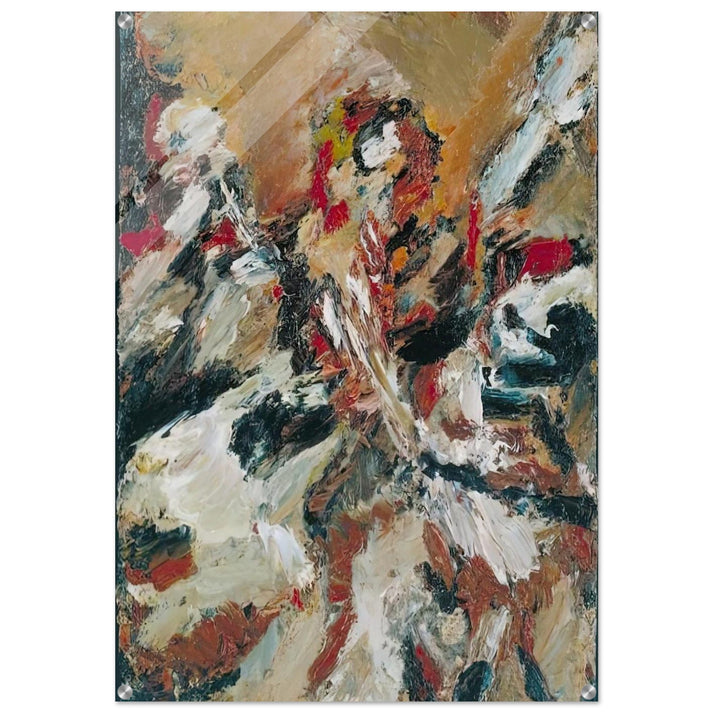
RedKalion presents a museum-quality acrylic print of Frank Auerbach's "Study After Titian I", a profound reinterpretation of Renaissance art through a 20th-century lens. This 70x100 cm / 28x40" inches reproduction captures the raw, expressive energy of Auerbach's technique, where thick, gestural brushstrokes and a dynamic palette breathe new life into Titian's classical forms. As a leading figure of the London School, Auerbach (born 1931) spent decades obsessively reworking subjects, and this study reflects his deep engagement with art history—transforming Old Master inspiration into a visceral, contemporary statement. The piece evokes a mood of intense contemplation and creative fervor, bridging centuries of artistic dialogue.
Our premium acrylic print elevates this artwork with exceptional clarity and durability. Crafted on 4mm (0.15") acrylic, it offers a sleek, vibrant finish that enhances color saturation and depth, making each brushstroke pop with museum-grade fidelity. The design features straight-cut corners for a modern aesthetic, with transparent backgrounds defaulting to white to ensure optimal presentation in any space. Ready to display, it includes a complete hanging kit with hardware, screws, and pre-drilled screw holes at each corner (positioned 14mm/0.55" from the edge, with an 8mm/0.31" diameter hole and 15mm/0.6" screw head) for effortless installation.
At RedKalion, we specialize in archival-grade reproductions that honor the integrity of original artworks. This Frank Auerbach wall art print is not just a decoration but a lasting investment in fine art, designed to endure with the quality and presence of a gallery piece. Elevate your home or office with this iconic work, where Auerbach's bold reinterpretation meets our commitment to precision and preservation.

Discover Unlimited Art Possibilities
At RedKalion, you can find virtually any artwork from any artist, available in a wide range of sizes to perfectly match your space.
If you didn’t find what you’re looking for, contact us at support@redkalion.com . We will source any artwork and produce it in any size and format you need, including art prints, posters, canvas, framed pieces, framed canvas, and more.
For dedicated art enthusiasts, we also offer handcrafted replicas of any artwork, carefully painted by highly skilled artists using traditional techniques.
For custom requests, contact us at support@redkalion.com .
What is the significance of Frank Auerbach's "Study After Titian I"?
This artwork is a modern reinterpretation of Renaissance master Titian, showcasing Auerbach's expressive, thick brushstrokes and his role in the London School, blending historical inspiration with 20th-century abstraction for a dynamic fine art print.
What are the dimensions and material of this acrylic print?
The print measures 70x100 cm (28x40 inches) and is made from 4mm (0.15") acrylic, offering a sleek, vibrant, and durable museum-quality reproduction for your wall art collection.
How is the acrylic print designed for hanging?
It includes a hanging kit with hardware, screws, and pre-drilled screw holes at each corner (14mm/0.55" from edge, 8mm/0.31" diameter hole, 15mm/0.6" screw head) for easy, secure installation of your Frank Auerbach prints.
What makes RedKalion's prints archival-grade and long-lasting?
Our prints use high-quality acrylic and precise techniques to resist fading and damage, ensuring your Frank Auerbach wall art remains vibrant as a durable fine art reproduction for years.
How does the print handle transparent backgrounds?
Transparent backgrounds default to white for optimal presentation, enhancing the modern look with straight-cut corners in this premium acrylic print.
Who was Frank Auerbach and why is he important in art history?
Frank Auerbach (born 1931) is a key figure of the London School, known for his intense, reworked paintings that explore form and emotion, making his prints highly sought-after for their historical and artistic depth.
What techniques did Auerbach use in this study?
Auerbach employed thick, gestural acrylic layers and a dynamic palette to reinterpret Titian, creating a visceral effect that highlights his mastery in transforming classical themes into contemporary art.