

RedKalion
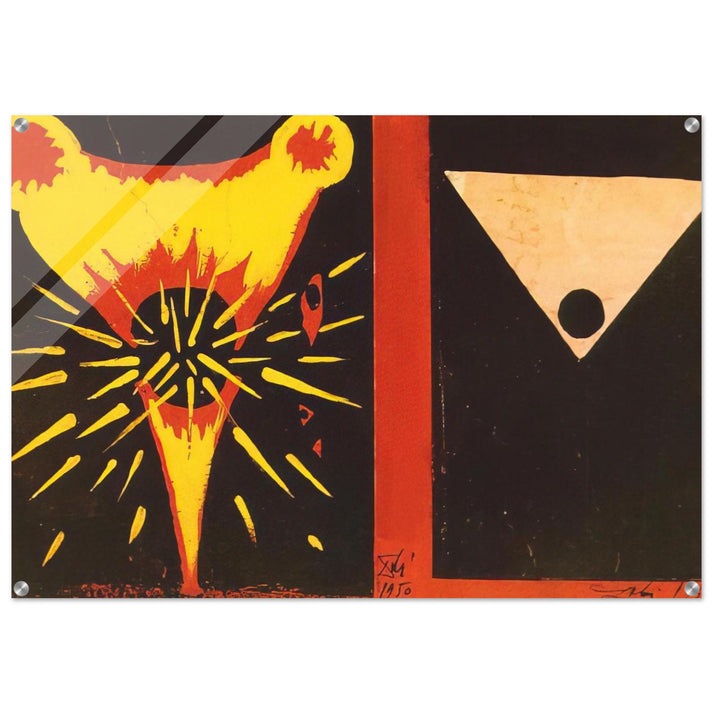
STUDY FOR CHRIST OF ST JOHN OF THE CROSS 1951 - Salvador Dali Acrylic Print - 70x100 cm / 28x40″ inches | Salvador Dali Wall Art | Salvador Dali Prints
STUDY FOR CHRIST OF ST JOHN OF THE CROSS 1951 - Salvador Dali Acrylic Print - 70x100 cm / 28x40″ inches | Salvador Dali Wall Art | Salvador Dali Prints
Couldn't load pickup availability
Study for Christ of Saint John of the Cross (1951) by Salvador Dalí
Immerse yourself in the divine and surreal with this museum-quality acrylic print of Salvador Dalí's Study for Christ of Saint John of the Cross. Created in 1951, this preparatory work for Dalí's iconic masterpiece showcases his meticulous draftsmanship and visionary approach to sacred art. The composition, depicting Christ crucified from an aerial perspective, draws inspiration from a 16th-century drawing by Saint John of the Cross, blending mystical spirituality with Dalí's signature dreamlike precision.
This fine art print captures every intricate detail of Dalí's original study, from the delicate lines of the figure to the subtle tonal variations. Printed on 4mm (0.15") acrylic, it offers a sleek, vibrant, and durable finish that enhances color depth and clarity. The straight-cut corners provide a modern aesthetic, while transparent backgrounds are rendered in white for optimal presentation. Elevate your space with an archival masterpiece that endures, perfect for collectors and enthusiasts of Salvador Dalí wall art.
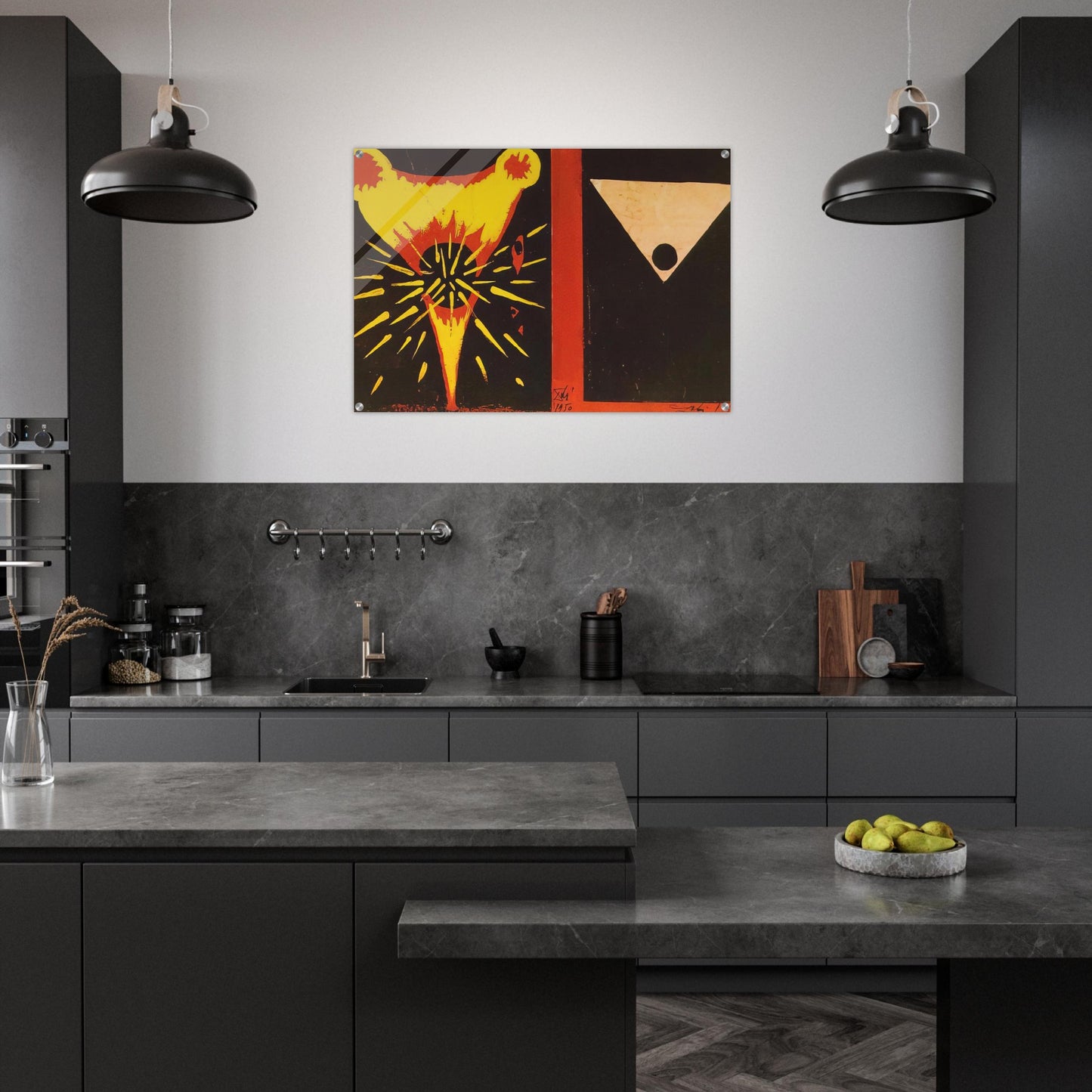
Each print measures 70x100 cm (28x40 inches) and includes a complete hanging kit with hardware, screws, and pre-drilled screw holes (14mm from the edge, 8mm diameter, 15mm screw head) for effortless installation. RedKalion ensures every reproduction meets the highest standards of quality, making this Salvador Dalí print a timeless addition to any home or gallery.


Discover Unlimited Art Possibilities
At RedKalion, you can find virtually any artwork from any artist, available in a wide range of sizes to perfectly match your space.
If you didn’t find what you’re looking for, contact us at support@redkalion.com . We will source any artwork and produce it in any size and format you need, including art prints, posters, canvas, framed pieces, framed canvas, and more.
For dedicated art enthusiasts, we also offer handcrafted replicas of any artwork, carefully painted by highly skilled artists using traditional techniques.
For custom requests, contact us at support@redkalion.com .
What is the historical significance of this Salvador Dalí study?
This 1951 study is a preparatory work for Dalí's famous painting Christ of Saint John of the Cross, blending surrealism with sacred art by using an aerial perspective inspired by a 16th-century drawing, showcasing Dalí's unique fusion of mysticism and precision.
How does the acrylic material enhance this fine art print?
The 4mm acrylic provides a sleek, vibrant finish with excellent color depth and durability, making this museum-quality reproduction resistant to fading and suitable for long-term display as premium Salvador Dalí wall art.
What are the dimensions and hanging details for this print?
It measures 70x100 cm (28x40 inches) with straight-cut corners and includes a hanging kit; screw holes are pre-drilled 14mm from the edge (8mm diameter, 15mm screw head) for easy installation of your Salvador Dalí acrylic print.
Is this print archival and how should I care for it?
Yes, it's an archival-grade reproduction on durable acrylic, designed to resist fading; clean gently with a soft, dry cloth to maintain the vibrant colors of your Salvador Dalí fine art print.
What shipping and return options does RedKalion offer?
RedKalion provides secure global shipping with tracking and a satisfaction guarantee; contact support for details on returns for this premium Salvador Dalí wall art to ensure trust and quality.
Why did Dalí choose an aerial perspective for this Christ depiction?
Dalí adopted an aerial view based on a vision and a drawing by Saint John of the Cross, aiming to create a divine, transcendent effect that distances the viewer from traditional crucifixion imagery, highlighting his innovative surrealist technique.
How does this study differ from Dalí's final painting?
This study focuses on precise draftsmanship and compositional planning, with fewer background elements than the final oil painting, offering insight into Dalí's creative process for his iconic religious artwork.