
RedKalion
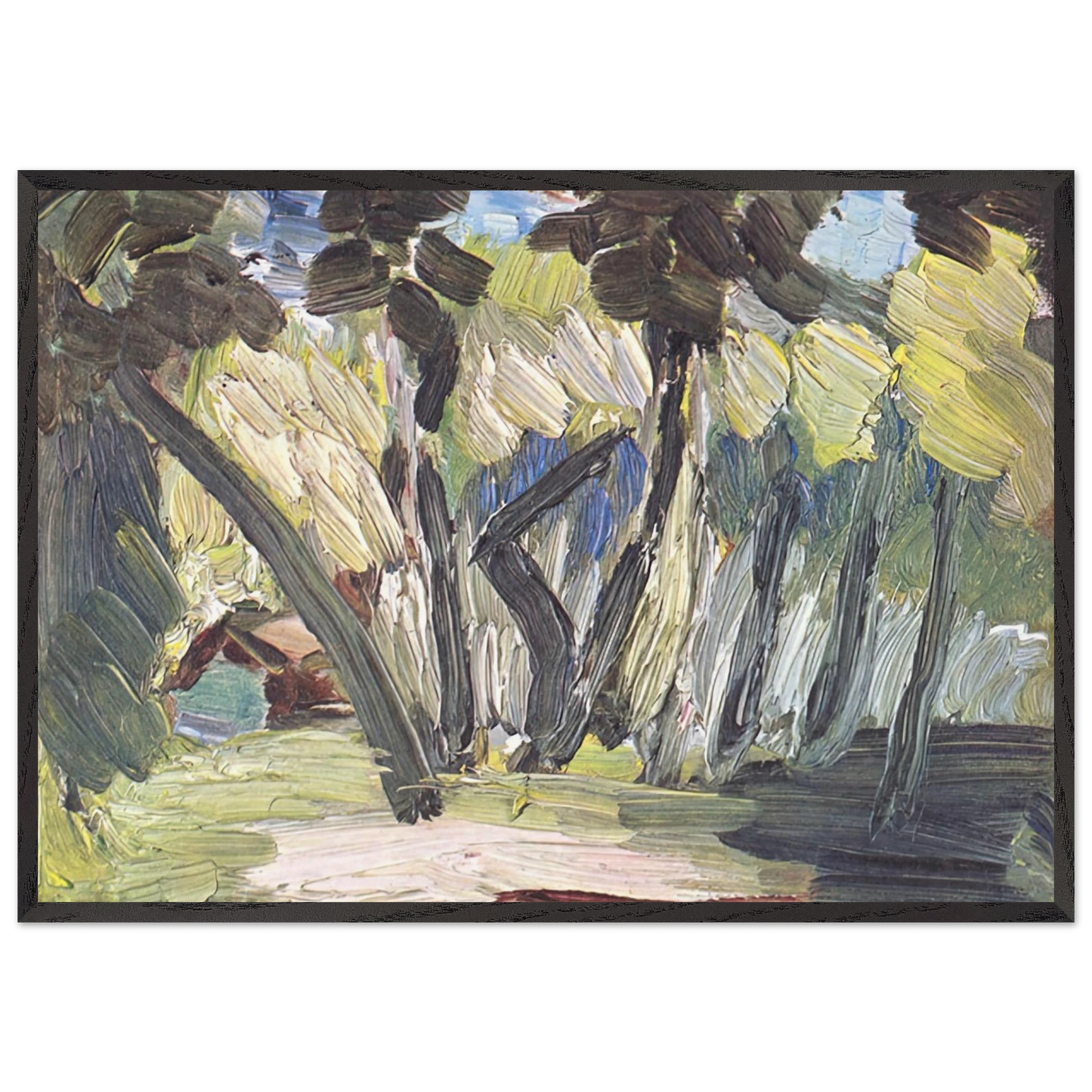
TAHITI LANDSCAPE 1931 - Henri Matisse 70x100 cm / 28x40 inches Framed Art Print – Black Wooden Frame
TAHITI LANDSCAPE 1931 - Henri Matisse 70x100 cm / 28x40 inches Framed Art Print – Black Wooden Frame
Couldn't load pickup availability
TAHITI LANDSCAPE 1931 - Henri Matisse: A Vibrant Escape in Museum-Quality Framed Art
Immerse yourself in the lush, tropical paradise of Henri Matisse's "Tahiti Landscape 1931", now available as an exquisite framed art print from RedKalion. This masterpiece captures Matisse's fascination with the exotic, blending bold colors and simplified forms to evoke the serene beauty of the South Pacific. As a leading figure of Fauvism, Matisse used vibrant hues and expressive brushstrokes to convey emotion over realism, making this piece a timeless statement of artistic innovation.
Our museum-quality reproduction ensures every detail of Matisse's original vision is preserved, from the radiant greens of the foliage to the tranquil blues of the sky. Printed on 250 gsm (110 lb) archival museum-quality paper with a matte, uncoated finish, this fine art print offers a natural white background that enhances the colors' depth and longevity. The shatterproof plexiglass provides superior protection against dust and damage, while the responsibly sourced oak and ash wood frame—measuring 20mm thick and wide for a substantial, gallery-worthy presence—complements the artwork's vibrant energy.
Elevate your space with this ready-to-hang masterpiece, complete with a hanging kit for effortless display. At 70x100 cm (28x40 inches), it's an ideal centerpiece for living rooms, offices, or any area seeking a touch of artistic elegance. RedKalion is proud to offer this archival-grade framed art print, crafted with FSC-certified materials to support sustainability without compromising on quality.
- Artwork: "Tahiti Landscape 1931" by Henri Matisse
- Print Size: 70x100 cm / 28x40 inches
- Frame: Black wooden frame (oak and ash wood, 20mm thick/wide)
- Paper: 250 gsm, matte, uncoated, archival museum-quality
- Protection: Shatterproof plexiglass
- Ready-to-Hang: Includes hanging kit
- Sustainability: FSC-certified materials
Discover Unlimited Art Possibilities
At RedKalion, you can find virtually any artwork from any artist, available in a wide range of sizes to perfectly match your space.
If you didn’t find what you’re looking for, contact us at support@redkalion.com . We will source any artwork and produce it in any size and format you need, including art prints, posters, canvas, framed pieces, framed canvas, and more.
For dedicated art enthusiasts, we also offer handcrafted replicas of any artwork, carefully painted by highly skilled artists using traditional techniques.
For custom requests, contact us at support@redkalion.com .
What is the historical significance of Henri Matisse's "Tahiti Landscape 1931"?
This artwork reflects Matisse's post-Fauvist exploration of exotic locales, using vibrant colors and simplified forms to capture Tahiti's serene beauty, showcasing his innovative approach to modern art in the early 20th century.
How does the frame enhance this Matisse print?
The 20mm thick black wooden frame, made from responsibly sourced oak and ash, provides a substantial, gallery-worthy border that complements the artwork's bold colors and ensures durability for your fine art print.
What paper is used for this museum-quality reproduction?
We use 250 gsm (110 lb) archival museum-quality paper with a matte, uncoated finish, offering natural white tones and longevity ideal for preserving Matisse's vibrant Tahiti landscape in a framed art print.
Is this framed print ready to hang?
Yes, it includes a hanging kit, making it ready-to-hang directly on your wall for easy display of this Henri Matisse masterpiece as a premium art reproduction.
How does the shatterproof plexiglass protect the print?
The shatterproof plexiglass shields the print from dust, UV light, and physical damage, ensuring your Tahiti landscape art remains pristine and vibrant in its black wooden frame.
What makes this print archival and sustainable?
Printed on FSC-certified archival paper, this reproduction meets museum standards for longevity and supports environmental responsibility, making it a trusted choice for fine art collectors.
Can you describe Matisse's technique in this artwork?
Matisse employed bold, flat areas of color and simplified shapes to evoke emotion and atmosphere, moving away from realism to capture the essence of Tahiti's tropical landscape in 1931.