RedKalion
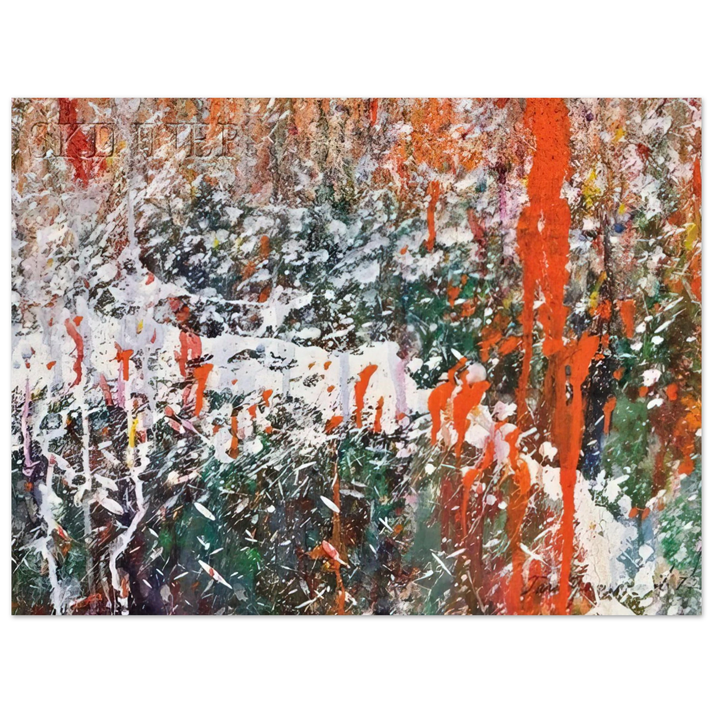
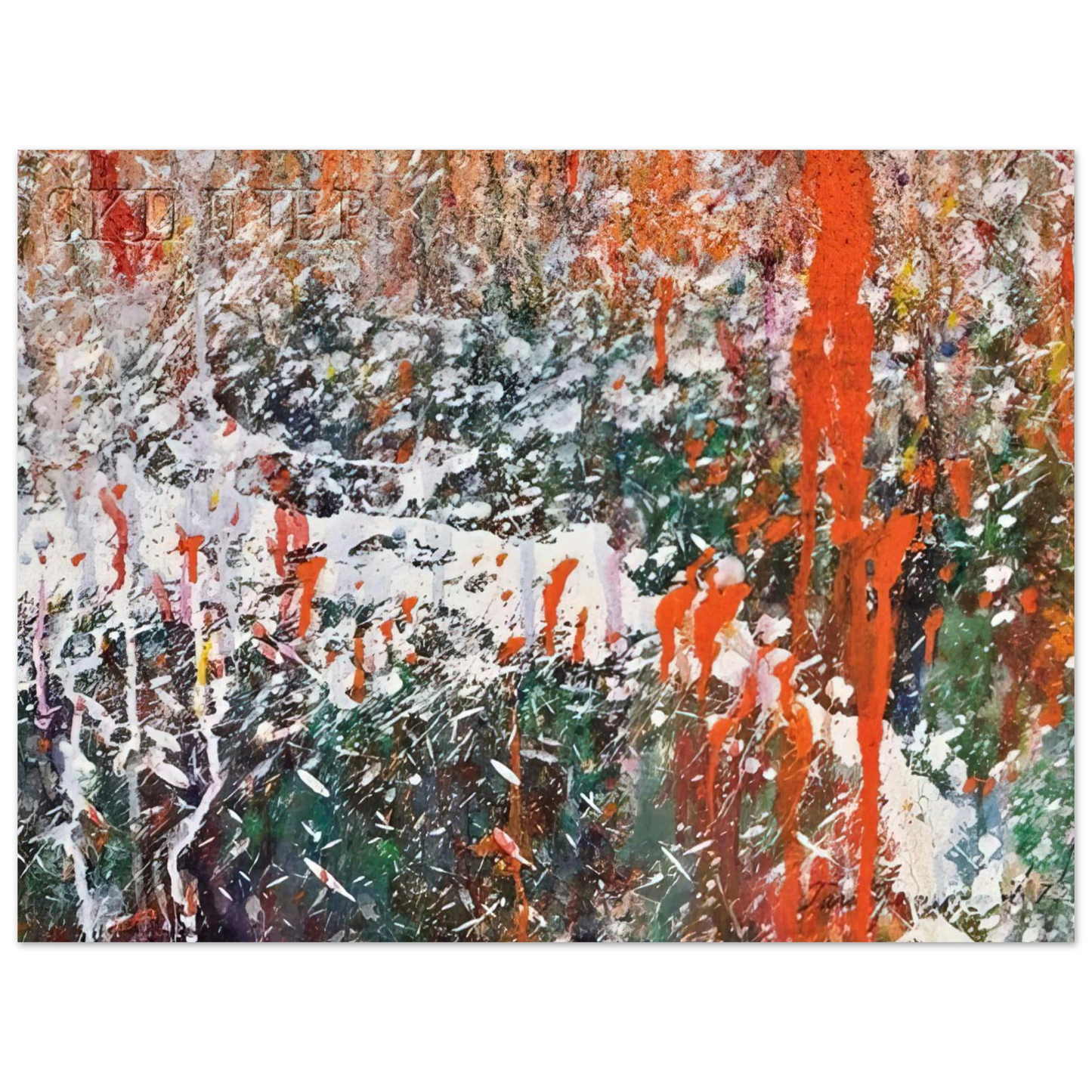
Taro Yamamoto - ABSTRACT COMPOSITION 75x100 cm / 30x40inches Fine Art Poster
Taro Yamamoto - ABSTRACT COMPOSITION 75x100 cm / 30x40inches Fine Art Poster
Couldn't load pickup availability
Taro Yamamoto - ABSTRACT COMPOSITION: A Modernist Masterpiece
Immerse yourself in the dynamic energy of Taro Yamamoto's ABSTRACT COMPOSITION, a stunning fine art print that captures the essence of mid-20th century abstract expressionism. This museum-quality reproduction, measuring 75x100 cm (30x40 inches), brings the artist's bold exploration of form and color directly into your space, offering a timeless statement piece for contemporary interiors.
Yamamoto, a pivotal figure in post-war Japanese modernism, masterfully blends Eastern aesthetic principles with Western avant-garde techniques. In this work, his intuitive brushstrokes and layered textures create a visual rhythm that evokes both chaos and harmony—a testament to his philosophy of art as a meditative process. The composition's interplay of organic shapes and vibrant hues invites endless interpretation, making it a captivating focal point for any room.
Premium Archival Quality
RedKalion ensures this fine art poster meets the highest standards of durability and aesthetic fidelity. Printed on our exclusive Master's Edition archival paper, it features:
- A luxurious matte, uncoated finish that enhances the artwork's depth without glare.
- Natural white (off-white) tones for an authentic, gallery-worthy presentation.
- Acid-free properties (pH above 7) to prevent yellowing, preserving its vibrancy for generations.
- Substantial 250 gsm (110 lb) weight and 0.29 mm (11.4 mils) thickness for a premium feel.
- FSC-certified paper, reflecting our commitment to sustainable art practices.
Elevate your home or office with an archival masterpiece that endures, printed and shipped on demand with no minimum orders. Trust RedKalion as your curator of world-class reproductions, where art history meets impeccable craftsmanship.
Discover Unlimited Art Possibilities
At RedKalion, you can find virtually any artwork from any artist, available in a wide range of sizes to perfectly match your space.
If you didn’t find what you’re looking for, contact us at support@redkalion.com . We will source any artwork and produce it in any size and format you need, including art prints, posters, canvas, framed pieces, framed canvas, and more.
For dedicated art enthusiasts, we also offer handcrafted replicas of any artwork, carefully painted by highly skilled artists using traditional techniques.
For custom requests, contact us at support@redkalion.com .
What are the dimensions of this Taro Yamamoto fine art print?
This museum-quality reproduction measures 75x100 cm, equivalent to 30x40 inches, making it an ideal size for prominent wall display in living rooms or offices.
What type of paper is used for this abstract composition poster?
It's printed on Master's Edition archival paper, featuring a matte, uncoated finish and natural white color for a luxurious texture that mimics original artwork.
How is this print protected from yellowing over time?
Our acid-free paper (pH above 7) ensures long-term archival longevity, preventing discoloration and preserving the vibrant colors of this fine art reproduction.
What is the weight and thickness of the paper?
The paper is 250 gsm (110 lb) with a thickness of 0.29 mm (11.4 mils), offering a substantial, premium feel suitable for framing and display.
How does RedKalion handle shipping for this artwork?
We print and ship on demand with no minimum orders, ensuring each Taro Yamamoto abstract composition poster is carefully packaged and delivered promptly.
Who was Taro Yamamoto and what is his significance in art history?
Taro Yamamoto was a key Japanese modernist who blended Eastern aesthetics with abstract expressionism, known for his meditative, layered compositions in the post-war era.
What makes this abstract composition unique in Yamamoto's work?
This piece showcases his signature use of organic shapes and vibrant hues to create a visual rhythm, reflecting his philosophy of art as a harmonious yet chaotic process.