RedKalion
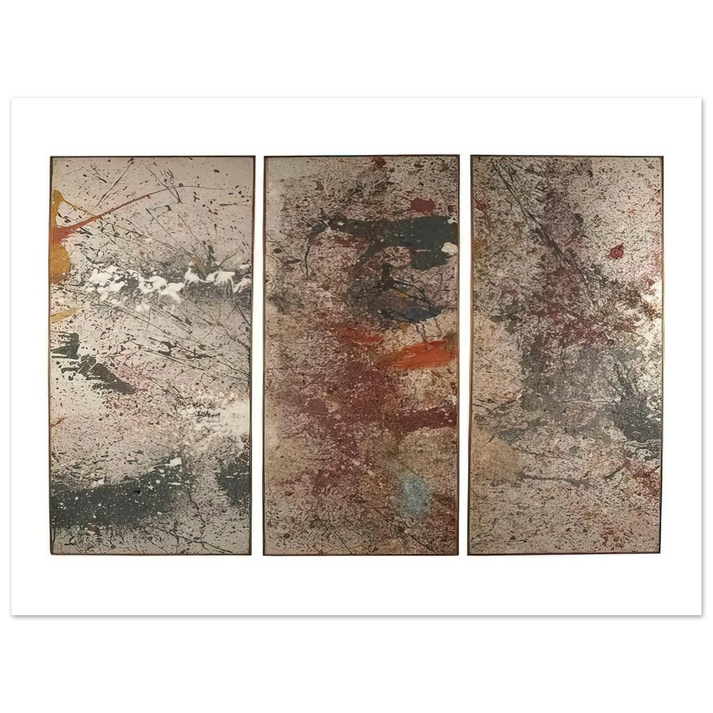
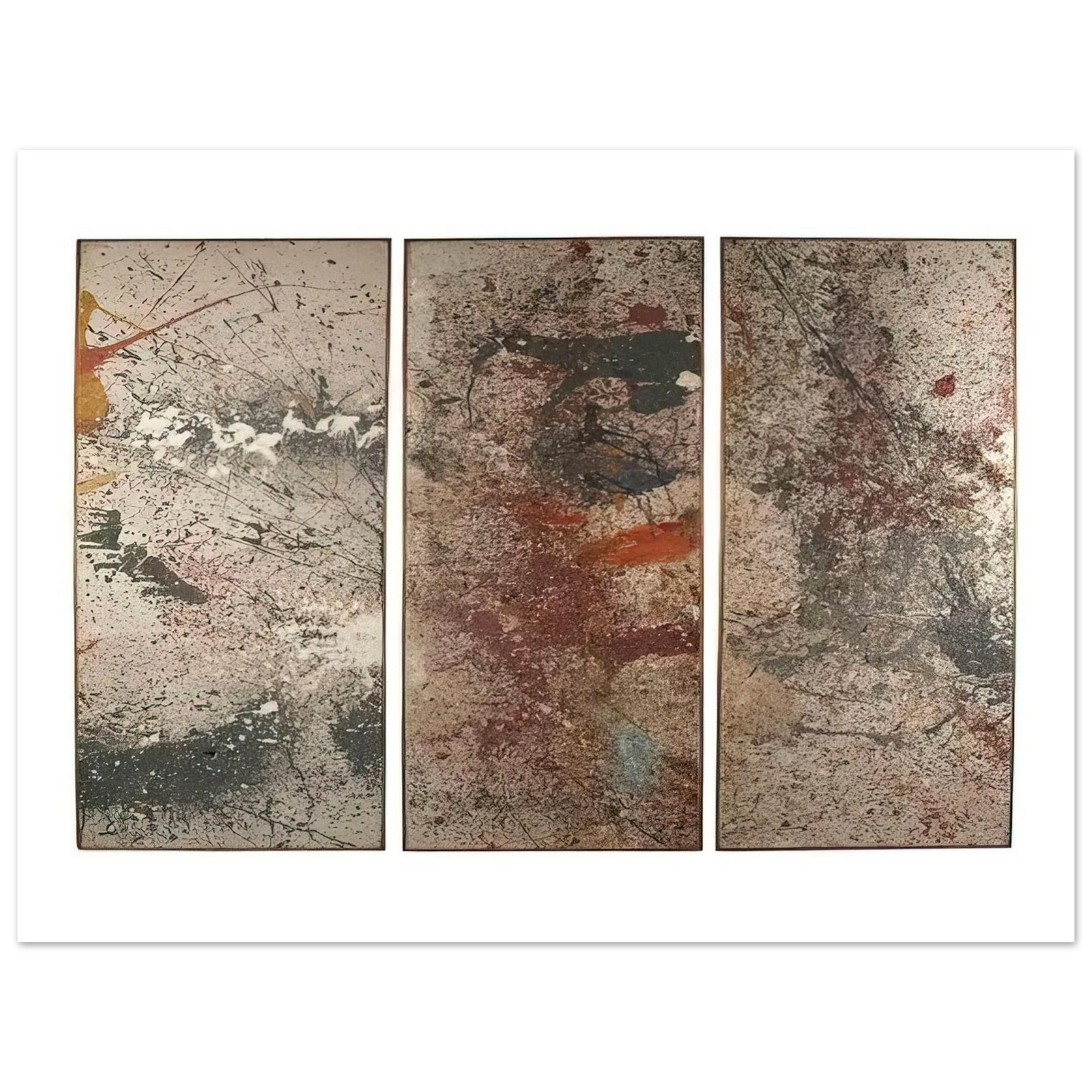
Taro Yamamoto - UNTITLED TRIPTYCH 1961 75x100 cm / 30x40inches Fine Art Poster
Taro Yamamoto - UNTITLED TRIPTYCH 1961 75x100 cm / 30x40inches Fine Art Poster
Couldn't load pickup availability
Taro Yamamoto - UNTITLED TRIPTYCH 1961: A Museum-Quality Fine Art Print
Immerse yourself in the bold, abstract vision of Taro Yamamoto with this archival reproduction of his seminal 1961 triptych. Measuring 75x100 cm (30x40 inches), this fine art poster captures the dynamic energy and experimental spirit of mid-century Japanese abstraction. Yamamoto, a key figure in the post-war Gutai movement, pioneered techniques that blurred the lines between painting and performance, and this untitled work exemplifies his innovative approach to form, color, and texture.
RedKalion presents this masterpiece on our exclusive Master's Edition archival paper, ensuring a museum-quality reproduction that honors the original's integrity. The matte, uncoated finish and natural white (off-white) hue provide a luxurious, tactile surface that enhances the artwork's depth without glare. Crafted from acid-free, FSC-certified paper with a substantial 250 gsm weight (0.29 mm thickness), this print is designed to resist yellowing and endure for generations, making it a sustainable investment in fine art.
Elevate your space with a piece that bridges historical significance and contemporary elegance. This on-demand print arrives ready to display, offering a sophisticated addition to any home or office without compromise.
Discover Unlimited Art Possibilities
At RedKalion, you can find virtually any artwork from any artist, available in a wide range of sizes to perfectly match your space.
If you didn’t find what you’re looking for, contact us at support@redkalion.com . We will source any artwork and produce it in any size and format you need, including art prints, posters, canvas, framed pieces, framed canvas, and more.
For dedicated art enthusiasts, we also offer handcrafted replicas of any artwork, carefully painted by highly skilled artists using traditional techniques.
For custom requests, contact us at support@redkalion.com .
What are the dimensions of this Taro Yamamoto fine art print?
This museum-quality reproduction measures 75x100 cm (30x40 inches), perfectly capturing the scale and impact of Yamamoto's original 1961 triptych for your home or office.
What type of paper is used for this archival print?
It's printed on Master's Edition archival paper, featuring a matte, uncoated finish with a natural white hue for a luxurious texture that enhances this fine art poster's depth.
How long will this acid-free print last without yellowing?
With an acid-free composition (pH above 7), this FSC-certified paper is designed to prevent yellowing over time, ensuring your Taro Yamamoto reproduction endures as a long-lasting investment.
What is the weight and thickness of the paper?
The paper is 250 gsm (110 lb) with a thickness of 0.29 mm (11.4 mils), providing a substantial, premium feel for this museum-quality fine art print.
How is this print shipped and are there minimum orders?
RedKalion offers no minimum orders; this Taro Yamamoto triptych is printed and shipped on demand, ensuring fast fulfillment and a personalized fine art poster experience.
What is the historical significance of Taro Yamamoto's 1961 triptych?
Created during the Gutai movement, this untitled work reflects Yamamoto's experimental techniques in abstract art, blending painting and performance to challenge traditional boundaries in post-war Japan.
Why is the matte finish ideal for this artwork?
The matte, uncoated finish reduces glare and provides a natural texture, allowing the colors and forms of Yamamoto's triptych to shine authentically, much like an original museum display.