

RedKalion
TEODELAPIO MAQUETTE II 1962 - Alexander Calder Brushed Aluminum Print - 70x100 cm / 28x40 inches | Alexander Calder Aluminum Print | Alexander Calder Prints
TEODELAPIO MAQUETTE II 1962 - Alexander Calder Brushed Aluminum Print - 70x100 cm / 28x40 inches | Alexander Calder Aluminum Print | Alexander Calder Prints
Couldn't load pickup availability
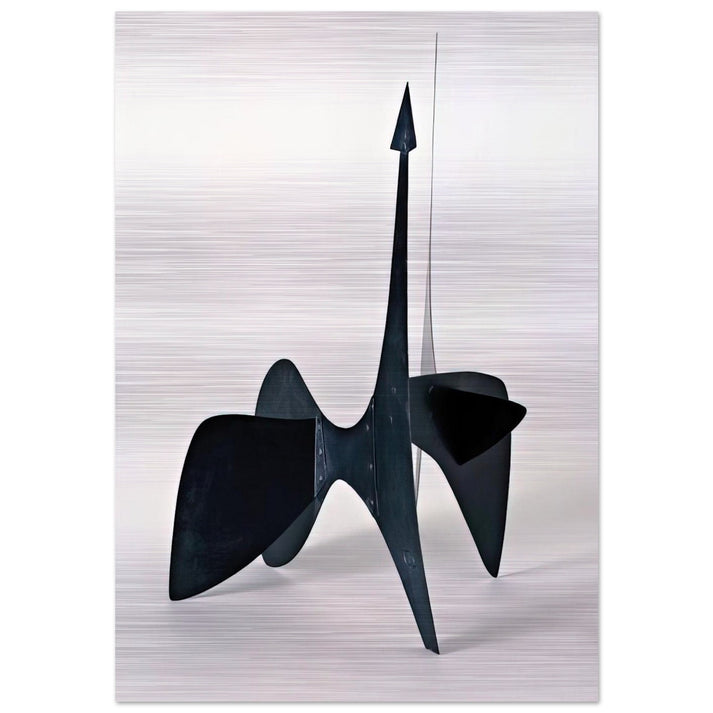
Alexander Calder's Teodelapio Maquette II 1962 Aluminum Print
Immerse your space in the kinetic genius of Alexander Calder with this museum-quality reproduction of Teodelapio Maquette II 1962. As a pioneering figure in modern sculpture, Calder revolutionized art with his playful, abstract mobiles and stabiles. This piece, a maquette (or model) for the monumental public sculpture in Spoleto, Italy, captures his signature blend of organic forms and industrial materials, rendered here in a stunning brushed aluminum print that echoes the original's metallic essence.
RedKalion's archival-grade print is crafted on premium Brushed silver Aluminum DIBOND®, featuring a 3mm thickness for a durable, rigid presentation. The direct print technology ensures vivid, lasting colors with a matte, glare-free finish, while unprinted areas reveal a striking metallic silver effect that enhances the artwork's dynamic, sculptural quality. Measuring 70x100 cm (28x40 inches), this piece arrives complete with a hanging kit, ready to transform any room into a gallery of modern art.
Elevate your decor with a piece that bridges Calder's innovative spirit and contemporary craftsmanship—a timeless addition for collectors and design enthusiasts alike.


Discover Unlimited Art Possibilities
At RedKalion, you can find virtually any artwork from any artist, available in a wide range of sizes to perfectly match your space.
If you didn’t find what you’re looking for, contact us at support@redkalion.com . We will source any artwork and produce it in any size and format you need, including art prints, posters, canvas, framed pieces, framed canvas, and more.
For dedicated art enthusiasts, we also offer handcrafted replicas of any artwork, carefully painted by highly skilled artists using traditional techniques.
For custom requests, contact us at support@redkalion.com .
What is the significance of Alexander Calder's Teodelapio Maquette II 1962?
This maquette is a model for Calder's monumental stabile in Spoleto, Italy, showcasing his abstract, playful forms that defined modern sculpture and kinetic art, making it a key piece for art history enthusiasts.
How does the brushed aluminum material enhance this Calder print?
The Brushed silver Aluminum DIBOND® with a metallic finish and horizontal grain mimics Calder's industrial aesthetic, offering a dynamic look and durable base for this fine art reproduction.
What are the specifications of this aluminum print?
It measures 70x100 cm (28x40 inches), with a 3mm thickness, direct print on AluDibond for vivid colors, and a matte finish that highlights the brushed silver effect in unprinted areas.
Is a hanging kit included with this Alexander Calder print?
Yes, a hanging kit is included; it varies by fulfillment country to ensure secure installation for your museum-quality aluminum print.
How archival and durable is this brushed aluminum print?
Made with direct print on Aluminum DIBOND®, it resists fading and damage, offering long-lasting vibrancy ideal for preserving Calder's artistic legacy in home or office settings.
Why did Calder use maquettes in his work?
Calder created maquettes as small-scale models to plan large public sculptures, allowing him to experiment with balance and form, as seen in this piece from his innovative 1960s period.
What makes the matte finish ideal for this black-and-white design?
The matte, glare-free finish reduces reflections, emphasizing the contrast and brushed silver effect, perfect for showcasing Calder's abstract forms in any lighting condition.