

RedKalion
The Arm of the Siene at Jeufosse, Afternoon - claude monet Brushed Aluminum Print - 70x100 cm / 28x40 inches | claude monet Aluminum Print | claude monet Prints
The Arm of the Siene at Jeufosse, Afternoon - claude monet Brushed Aluminum Print - 70x100 cm / 28x40 inches | claude monet Aluminum Print | claude monet Prints
Couldn't load pickup availability
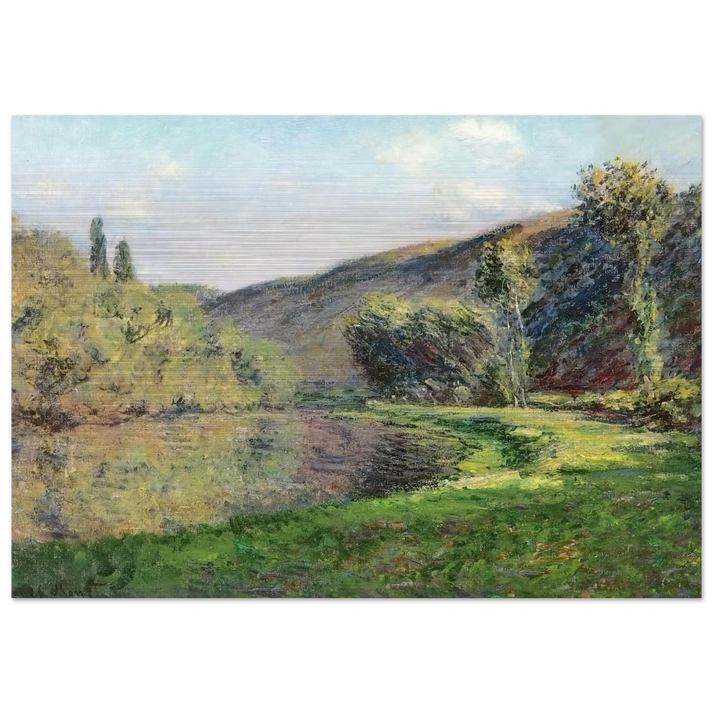
The Arm of the Seine at Jeufosse, Afternoon by Claude Monet
Immerse yourself in the serene beauty of Claude Monet's "The Arm of the Seine at Jeufosse, Afternoon" with this museum-quality fine art print from RedKalion. This exquisite Claude Monet aluminum print captures the artist's masterful Impressionist vision, where shimmering light dances upon the tranquil waters of the Seine River near Jeufosse. Painted in the late 19th century, this work exemplifies Monet's revolutionary technique of capturing fleeting moments of natural light and atmosphere, evoking a sense of peaceful contemplation and timeless elegance.
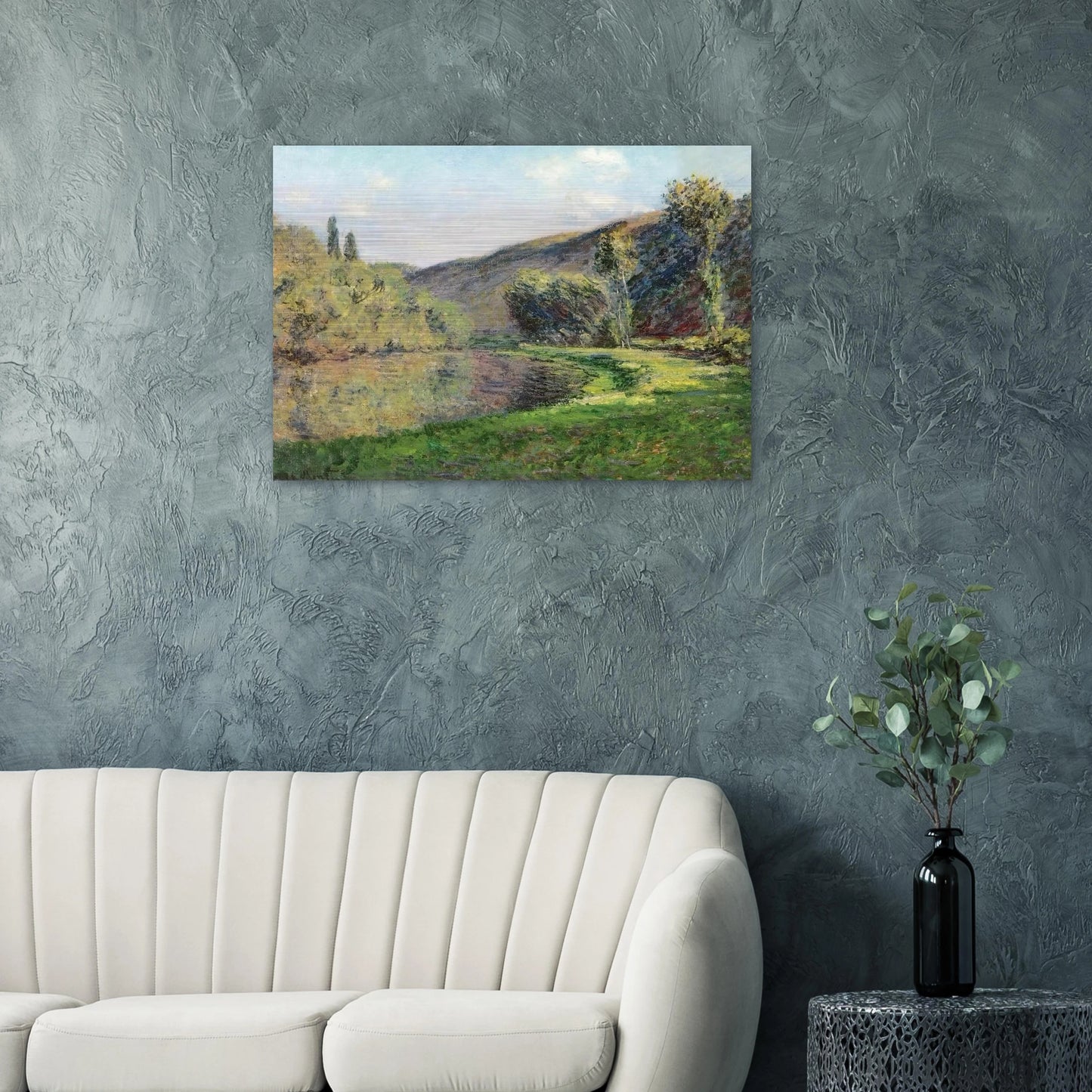
RedKalion presents this archival masterpiece on premium Brushed silver Aluminum DIBOND®, featuring a 3mm thickness for a durable, rigid display. The direct print on AluDibond ensures vivid, fade-resistant colors with a matte, glare-free finish, while unprinted areas reveal a striking metallic silver effect that enhances the artwork's dynamic look. Measuring 70x100 cm (28x40 inches), this Claude Monet reproduction is ready to elevate any space with its sophisticated horizontal grain and included hanging kit.
As a premier online gallery, RedKalion curates only the finest archival-grade reproductions, ensuring each piece meets rigorous standards for art historical accuracy and material quality. Trust in our expertise to bring a piece of Impressionist history into your home or office, where it will endure as a testament to Monet's enduring legacy.


Discover Unlimited Art Possibilities
At RedKalion, you can find virtually any artwork from any artist, available in a wide range of sizes to perfectly match your space.
If you didn’t find what you’re looking for, contact us at support@redkalion.com . We will source any artwork and produce it in any size and format you need, including art prints, posters, canvas, framed pieces, framed canvas, and more.
For dedicated art enthusiasts, we also offer handcrafted replicas of any artwork, carefully painted by highly skilled artists using traditional techniques.
For custom requests, contact us at support@redkalion.com .
What are the specifications of this Claude Monet aluminum print?
This fine art print measures 70x100 cm (28x40 inches) and is made from 3mm thick Brushed silver Aluminum DIBOND® with a direct print for vivid colors and a matte finish, featuring a metallic silver effect in unprinted areas.
How does the brushed aluminum enhance this Monet reproduction?
The brushed aluminum with horizontal grain adds a dynamic, modern look to this museum-quality print, complementing Monet's Impressionist style with a durable and glare-free display.
Is a hanging kit included with this artwork?
Yes, a hanging kit is included; specific components may vary by fulfillment country to ensure secure installation of your archival-grade print.
What makes this a museum-quality reproduction?
RedKalion uses archival materials and precise printing techniques to replicate Monet's colors and details, ensuring this fine art print meets high standards for longevity and accuracy.
How should I care for my aluminum print to ensure longevity?
Clean gently with a dry cloth; avoid harsh chemicals. The archival materials and fade-resistant inks are designed for durability, making it ideal for long-term display.
What historical significance does "The Arm of the Seine at Jeufosse, Afternoon" hold?
Painted in the late 19th century, this work showcases Monet's Impressionist focus on light and atmosphere along the Seine River, reflecting his innovative approach to capturing natural scenes.
Why did Monet choose the Seine at Jeufosse as a subject?
Monet was drawn to the Seine's changing light and reflections, using Jeufosse to explore atmospheric effects and water's movement, key themes in his Impressionist oeuvre.