RedKalion
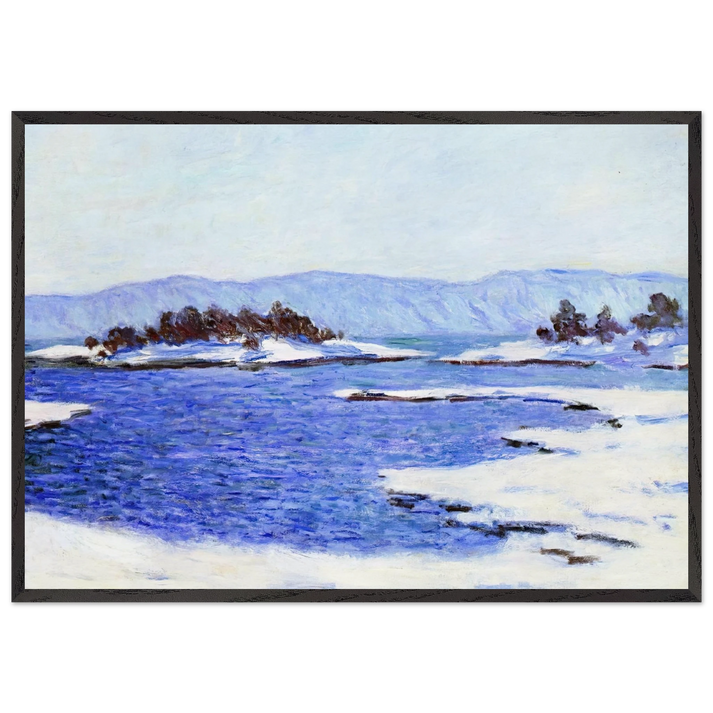
The Banks of the Fjord at Christiania - claude monet 70x100 cm / 28x40 inches Framed Art Print – Black Wooden Frame
The Banks of the Fjord at Christiania - claude monet 70x100 cm / 28x40 inches Framed Art Print – Black Wooden Frame
Couldn't load pickup availability
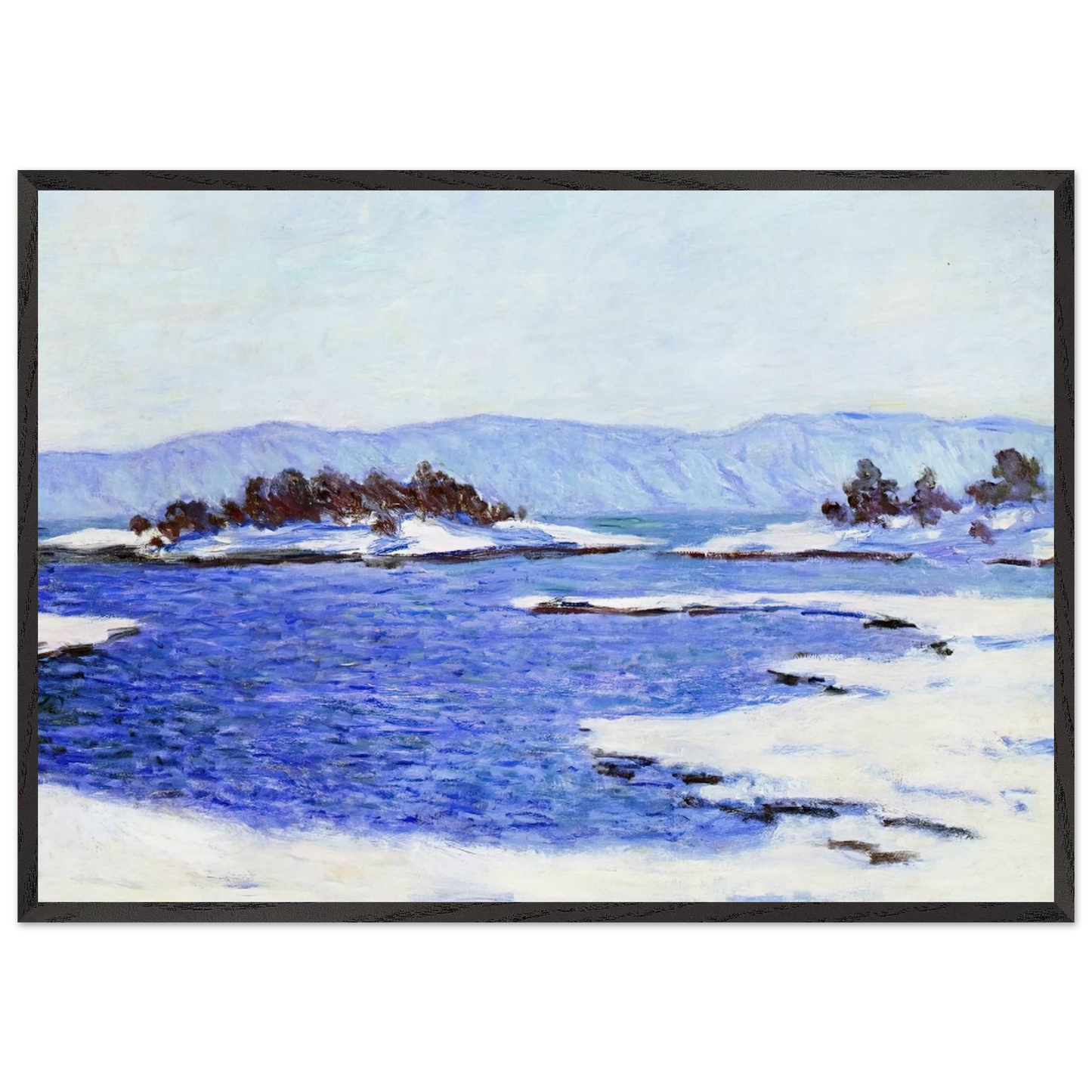
The Banks of the Fjord at Christiania by Claude Monet
Immerse yourself in the serene beauty of Claude Monet's The Banks of the Fjord at Christiania, a masterful fine art print that captures the Impressionist genius's exploration of light and atmosphere. Painted during Monet's travels in Norway in 1895, this piece reflects his fascination with Nordic landscapes, blending soft hues and fluid brushstrokes to evoke a tranquil, almost ethereal mood. It represents a lesser-known yet captivating chapter in his oeuvre, showcasing his ability to transform any scene into a luminous, emotional experience.
RedKalion presents this museum-quality reproduction as a framed art print, meticulously crafted to honor Monet's original vision. Our archival-grade print is produced on 250 gsm (110 lb) matte, uncoated, natural white paper with a thickness of 0.29 mm (11.4 mils), ensuring rich color fidelity and durability. The artwork is elegantly housed in a black wooden frame made from responsibly sourced oak and ash wood, featuring a substantial 20mm (0.79\") thickness that provides a modern, gallery-worthy presence. Protected by shatterproof plexiglass, this piece is ready-to-hang with an included kit, allowing you to elevate your space instantly with a timeless masterpiece.
As a premier online gallery, RedKalion specializes in archival-grade reproductions that combine art historical authenticity with premium craftsmanship. Each print, like this 70x100 cm / 28x40 inches rendition, is designed to endure, using FSC-certified sustainable materials to support both artistic legacy and environmental responsibility. Discover the quiet majesty of Monet's fjord and bring a piece of art history into your home with confidence.
Discover Unlimited Art Possibilities
At RedKalion, you can find virtually any artwork from any artist, available in a wide range of sizes to perfectly match your space.
If you didn’t find what you’re looking for, contact us at support@redkalion.com . We will source any artwork and produce it in any size and format you need, including art prints, posters, canvas, framed pieces, framed canvas, and more.
For dedicated art enthusiasts, we also offer handcrafted replicas of any artwork, carefully painted by highly skilled artists using traditional techniques.
For custom requests, contact us at support@redkalion.com .
What are the dimensions of this framed art print?
This Claude Monet reproduction measures 70x100 cm / 28x40 inches, including the black wooden frame, making it an ideal size for prominent wall display in homes or offices.
What type of paper is used for this fine art print?
We use 250 gsm (110 lb) matte, uncoated, natural white archival museum-quality paper, with a thickness of 0.29 mm (11.4 mils), ensuring vibrant colors and long-lasting durability for your Monet print.
Is the frame included and what are its specifications?
Yes, it includes a ready-to-hang black wooden frame made from responsibly sourced oak and ash wood, with a substantial 20mm (0.79\") thickness and shatterproof plexiglass protection.
How is this print shipped and is it ready to display?
It ships securely packaged and is ready-to-hang with an included kit, allowing for immediate wall mounting without additional assembly.
Is this a sustainable and archival-quality reproduction?
Yes, it features FSC-certified sustainable paper and archival-grade materials, designed to resist fading and maintain quality for decades as a museum-quality reproduction.
When did Claude Monet paint The Banks of the Fjord at Christiania?
Monet created this artwork in 1895 during his visit to Norway, capturing the serene Nordic landscape with his signature Impressionist techniques of light and color.
What makes this Monet print a unique addition to a collection?
It highlights a lesser-known period of Monet's work, offering a tranquil fjord scene that showcases his mastery in evoking mood through atmospheric brushstrokes and soft palettes.