RedKalion
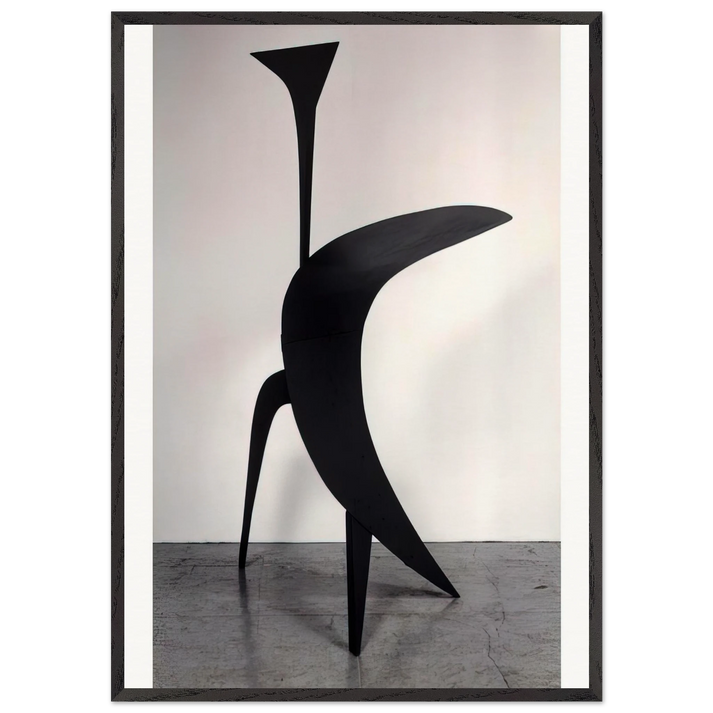
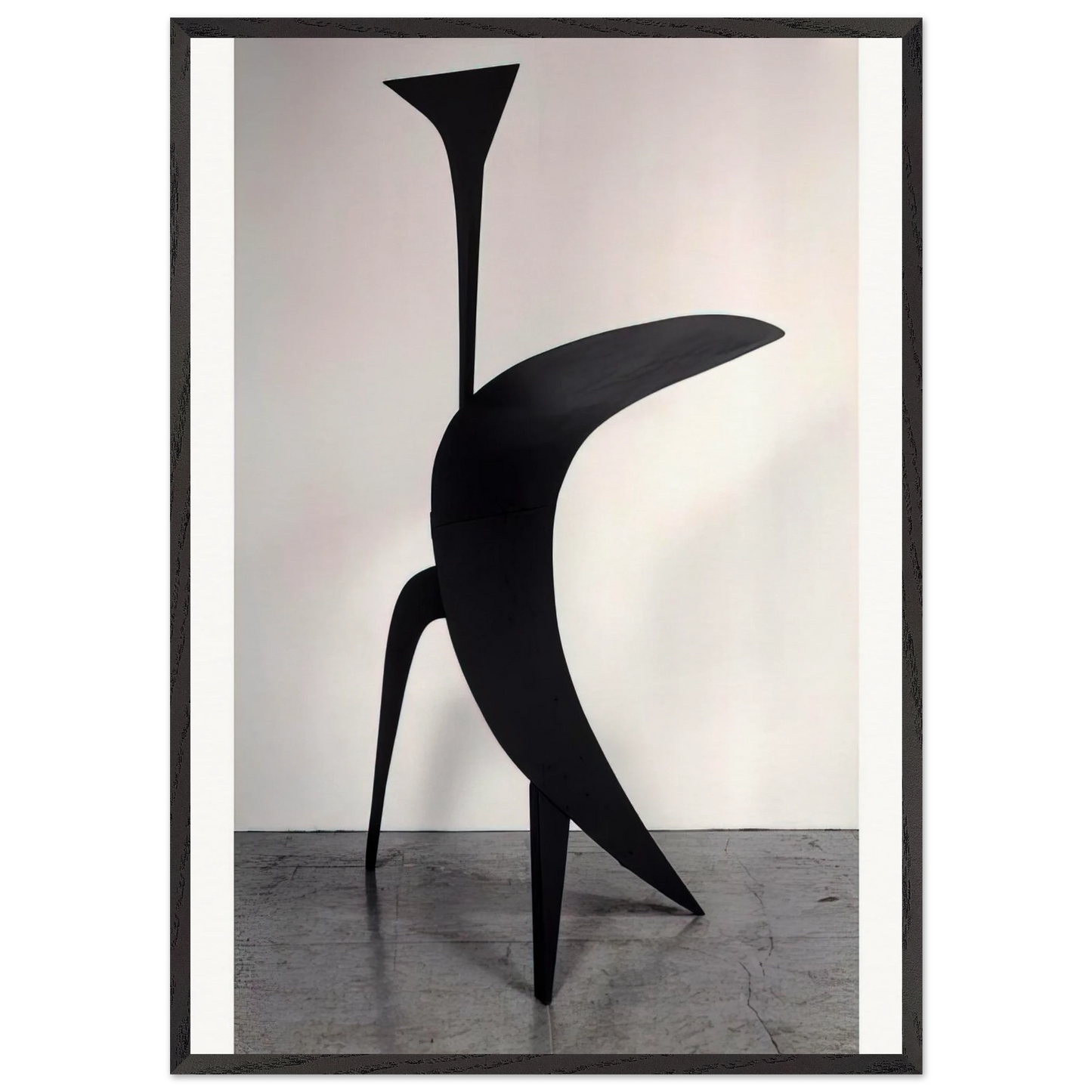
THE BIG EAR 1943 - Alexander Calder 70x100 cm / 28x40 inches Framed Art Print – Black Wooden Frame
THE BIG EAR 1943 - Alexander Calder 70x100 cm / 28x40 inches Framed Art Print – Black Wooden Frame
Couldn't load pickup availability
The Big Ear 1943 by Alexander Calder: A Monumental Kinetic Masterpiece
Elevate your space with Alexander Calder's iconic The Big Ear 1943, a stunning framed art print that captures the playful dynamism of this pioneering artist's work. This museum-quality reproduction is meticulously crafted on archival museum-quality paper (250 gsm, matte finish) and presented in a sleek black wooden frame, ready to transform any room into a gallery of modern art.
Calder, renowned for revolutionizing sculpture with his mobiles and stabiles, created The Big Ear as part of his exploration of abstract forms and balance. This piece exemplifies his genius in blending whimsy with structural elegance, evoking a sense of movement and curiosity. The bold, organic shape invites viewers to engage with art in a tactile, imaginative way, making it a perfect centerpiece for contemporary interiors.
This fine art print comes framed in responsibly sourced oak and ash wood, with a 20mm thickness for a substantial, premium feel. Protected by shatterproof plexiglass, it ensures durability while maintaining the artwork's vibrant details. As a ready-to-hang piece complete with a hanging kit, it offers effortless installation for immediate enjoyment.
At RedKalion, we specialize in archival-grade reproductions that honor the artist's original vision. Our use of FSC-certified materials reflects our commitment to sustainability, ensuring that this masterpiece endures for generations. Discover the joy of Calder's kinetic art with this exceptional print, a testament to innovation and quality.
Discover Unlimited Art Possibilities
At RedKalion, you can find virtually any artwork from any artist, available in a wide range of sizes to perfectly match your space.
If you didn’t find what you’re looking for, contact us at support@redkalion.com . We will source any artwork and produce it in any size and format you need, including art prints, posters, canvas, framed pieces, framed canvas, and more.
For dedicated art enthusiasts, we also offer handcrafted replicas of any artwork, carefully painted by highly skilled artists using traditional techniques.
For custom requests, contact us at support@redkalion.com .
What are the dimensions of this framed print of The Big Ear 1943 by Alexander Calder?
The framed print measures 70x100 cm (28x40 inches), with a 20mm thick black wooden frame, making it a substantial and eye-catching piece for any wall.
What type of paper is used for this museum-quality reproduction?
We use 250 gsm (110 lb) archival museum-quality paper with a matte, uncoated finish, ensuring vibrant colors and long-lasting durability for fine art prints.
Yes, it includes a hanging kit and is ready-to-hang directly on your wall, offering convenient installation for immediate display.
How does the frame protect the Alexander Calder print?
The frame features shatterproof plexiglass that safeguards the print from damage while maintaining clarity, paired with responsibly sourced oak and ash wood.
Is the paper sustainable for this archival art print?
Yes, we use FSC-certified or equivalent materials, ensuring our sustainable paper choices align with eco-friendly practices for premium reproductions.
What inspired Alexander Calder's The Big Ear from 1943?
Calder's The Big Ear reflects his fascination with abstract forms and kinetic balance, part of his innovative work that blurred lines between sculpture and movement in modern art.
Why is The Big Ear considered a significant piece in Calder's oeuvre?
It showcases Calder's mastery in creating playful, dynamic shapes that evoke curiosity and interaction, highlighting his role in pioneering mobile and stabile art forms.