RedKalion
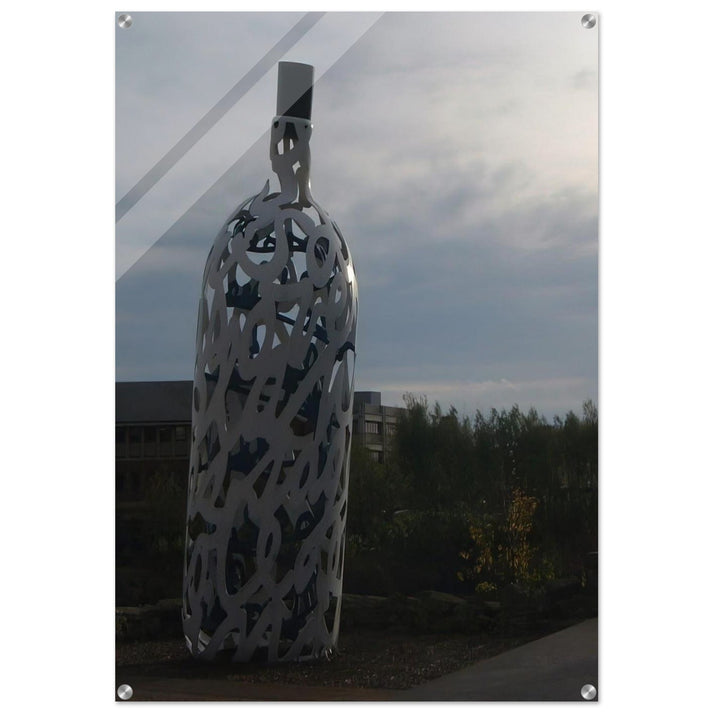
THE BOTTLE OF NOTES 1993 - Claes Oldenburg Acrylic Print - 70x100 cm / 28x40″ inches | Claes Oldenburg Wall Art | Claes Oldenburg Prints
THE BOTTLE OF NOTES 1993 - Claes Oldenburg Acrylic Print - 70x100 cm / 28x40″ inches | Claes Oldenburg Wall Art | Claes Oldenburg Prints
Couldn't load pickup availability
The Bottle of Notes 1993 - Claes Oldenburg Acrylic Print
Immerse your space in the whimsical genius of Claes Oldenburg with this museum-quality acrylic print of The Bottle of Notes 1993. As a leading figure in the Pop Art movement, Oldenburg transformed everyday objects into monumental sculptures, and this piece captures his playful yet profound exploration of scale and form. The artwork, depicting a colossal bottle adorned with handwritten notes, symbolizes the intersection of communication and consumer culture in the late 20th century. RedKalion's premium reproduction ensures every vibrant detail and textured nuance is preserved, offering a sophisticated addition to modern interiors.
This fine art print is meticulously crafted on 4mm (0.15") acrylic, delivering a sleek, durable finish with exceptional color vibrancy that rivals gallery displays. Featuring straight-cut corners for a contemporary aesthetic, the design defaults transparent backgrounds to white, enhancing visual clarity and presentation. Complete with a professional hanging kit—including hardware, screws, and pre-drilled holes at each corner (14mm/0.55" from the edge, with 8mm/0.31" diameter holes and 15mm/0.6" screw heads)—it arrives ready to elevate your home or office with archival-grade artistry.
Artwork Details:
- Title: The Bottle of Notes 1993
- Artist: Claes Oldenburg
- Style: Pop Art, Contemporary Sculpture
- Dimensions: 70x100 cm / 28x40 inches
- Material: 4mm Acrylic Print
- Included: Hanging Kit with Hardware
Own a piece of art history with this Claes Oldenburg wall art, designed to inspire and endure for generations.

Discover Unlimited Art Possibilities
At RedKalion, you can find virtually any artwork from any artist, available in a wide range of sizes to perfectly match your space.
If you didn’t find what you’re looking for, contact us at support@redkalion.com . We will source any artwork and produce it in any size and format you need, including art prints, posters, canvas, framed pieces, framed canvas, and more.
For dedicated art enthusiasts, we also offer handcrafted replicas of any artwork, carefully painted by highly skilled artists using traditional techniques.
For custom requests, contact us at support@redkalion.com .
What is the historical significance of The Bottle of Notes 1993 by Claes Oldenburg?
Created in 1993, this sculpture reflects Claes Oldenburg's Pop Art legacy, blending everyday objects with monumental scale to critique consumer culture and celebrate playful absurdity in public art.
How does the acrylic material enhance this Claes Oldenburg print?
The 4mm acrylic provides a sleek, vibrant finish with UV resistance, ensuring durability and color fidelity for a museum-quality reproduction of this Pop Art masterpiece.
What are the dimensions and hanging details for this wall art?
Measuring 70x100 cm (28x40 inches), it includes a hanging kit with pre-drilled holes 14mm from edges for easy installation, ideal for modern interiors.
Is this print archival and long-lasting?
Yes, our archival-grade acrylic print resists fading and damage, offering a durable fine art reproduction that maintains its vibrancy for years.
How is shipping handled for this Claes Oldenburg acrylic print?
We ship worldwide with secure packaging to protect your print, ensuring it arrives ready to hang as premium Claes Oldenburg wall art.
Why does the design use straight-cut corners and white backgrounds?
Straight-cut corners offer a modern aesthetic, while white backgrounds optimize presentation by enhancing contrast and clarity in this Pop Art print.
What inspired Claes Oldenburg's use of everyday objects in his art?
Oldenburg drew from American consumerism and surrealism to transform mundane items like bottles into large-scale sculptures, challenging perceptions of art and utility.