RedKalion
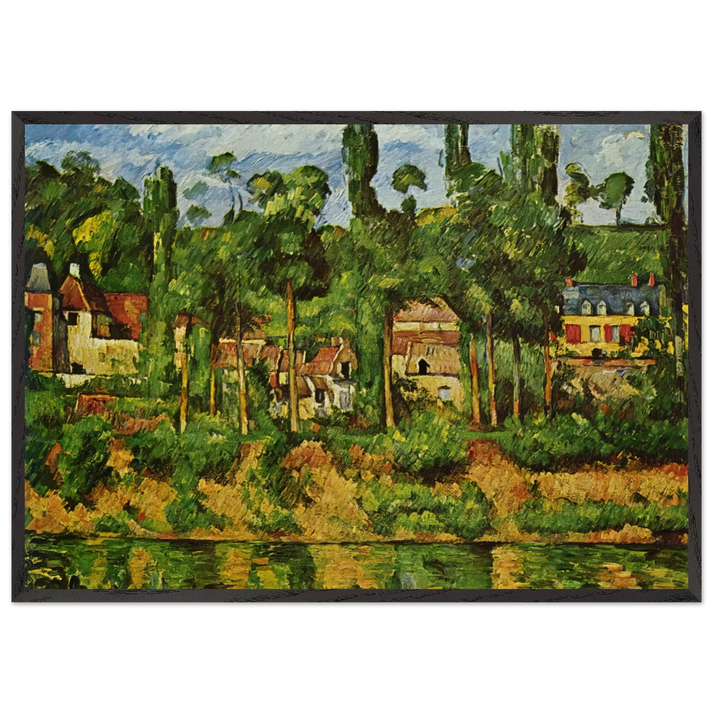
The Chateau de Medan - Paul Cezanne 70x100 cm / 28x40 inches Framed Art Print – Black Wooden Frame
The Chateau de Medan - Paul Cezanne 70x100 cm / 28x40 inches Framed Art Print – Black Wooden Frame
Couldn't load pickup availability
The Château de Médan by Paul Cézanne: A Museum-Quality Framed Art Print
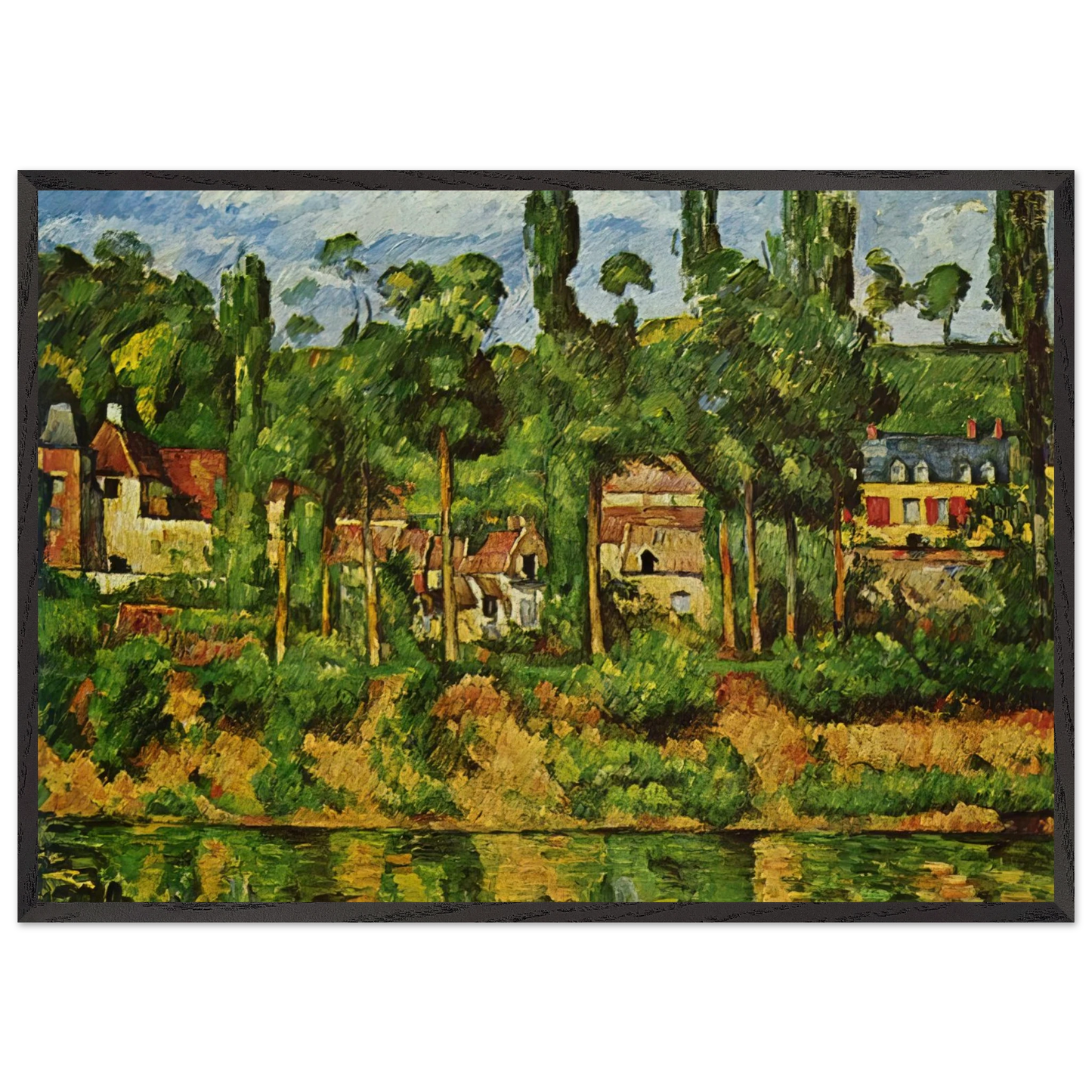
Elevate your space with Paul Cézanne's The Château de Médan, a fine art print that captures the pioneering spirit of Post-Impressionism. This 1880 masterpiece showcases Cézanne's revolutionary approach to form and color, depicting the serene French countryside with geometric precision and atmospheric depth. As a precursor to Cubism, this work reflects Cézanne's dedication to 'treating nature by the cylinder, the sphere, the cone,' blending architectural solidity with the fluidity of nature to evoke a timeless, contemplative mood.
RedKalion presents this museum-quality reproduction in a premium framed art print, meticulously crafted for archival longevity and aesthetic impact. The print measures 70x100 cm / 28x40 inches, rendered on 250 gsm (110 lb) archival museum-quality paper with a matte, uncoated finish for authentic texture. It is housed in a black wooden frame made from responsibly sourced oak and ash wood, featuring a substantial 20mm (0.79") thickness for enhanced presence. Shatterproof plexiglass ensures protection, while a hanging kit makes it ready-to-hang directly on your wall. Trust RedKalion for archival-grade reproductions that bring elite artistry into your home or office.
- Artwork: The Château de Médan by Paul Cézanne, 1880
- Print Size: 70x100 cm / 28x40 inches
- Frame: Black wooden frame (oak/ash, 20mm thick)
- Paper: 250 gsm, matte, archival museum-quality, FSC-certified
- Protection: Shatterproof plexiglass
- Ready-to-Hang: Includes hanging kit
Discover Unlimited Art Possibilities
At RedKalion, you can find virtually any artwork from any artist, available in a wide range of sizes to perfectly match your space.
If you didn’t find what you’re looking for, contact us at support@redkalion.com . We will source any artwork and produce it in any size and format you need, including art prints, posters, canvas, framed pieces, framed canvas, and more.
For dedicated art enthusiasts, we also offer handcrafted replicas of any artwork, carefully painted by highly skilled artists using traditional techniques.
For custom requests, contact us at support@redkalion.com .
What are the dimensions of this Paul Cézanne framed art print?
This fine art print measures 70x100 cm (28x40 inches) and is framed in a black wooden frame with a 20mm (0.79") thickness, ready-to-hang with included hardware.
What type of paper is used for this museum-quality reproduction?
We use 250 gsm (110 lb) archival museum-quality paper with a matte, uncoated finish and FSC-certified materials, ensuring longevity and authentic texture for your Cézanne print.
Is the frame included and what are its specifications?
Yes, the frame is included: a black wooden frame made from responsibly sourced oak and ash wood, 20mm thick and wide, with shatterproof plexiglass for protection.
How is this print shipped and is it ready to hang?
This framed art print is shipped securely and includes a hanging kit, making it ready-to-hang directly on your wall upon arrival.
How long will this archival print last without fading?
Our archival-grade materials and museum-quality paper ensure this Paul Cézanne reproduction resists fading for decades under normal indoor conditions.
What is the historical significance of The Château de Médan by Cézanne?
Painted in 1880, this work exemplifies Cézanne's Post-Impressionist style, blending geometric forms with natural scenes, influencing later movements like Cubism with its structural approach.
Why did Cézanne choose the Château de Médan as a subject?
Cézanne was inspired by the château's architectural solidity amidst the French countryside, using it to explore his theories on form and perspective in landscape art.