

RedKalion
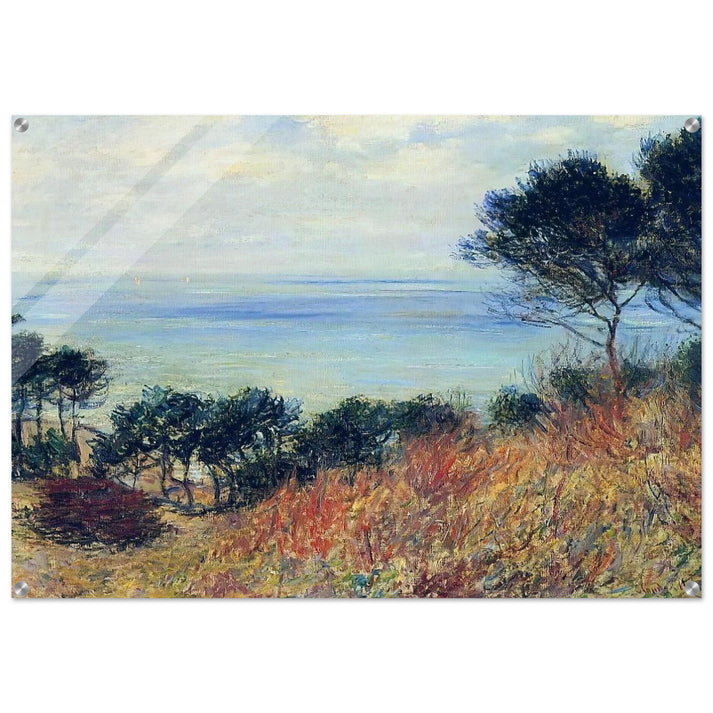
The Coast of Varengeville - claude monet Acrylic Print - 70x100 cm / 28x40″ inches
The Coast of Varengeville - claude monet Acrylic Print - 70x100 cm / 28x40″ inches
Couldn't load pickup availability
The Coast of Varengeville by Claude Monet: A Masterpiece of Impressionism
Immerse yourself in the luminous beauty of Claude Monet's The Coast of Varengeville, now available as a premium acrylic print from RedKalion. This museum-quality reproduction captures the essence of Monet's groundbreaking Impressionist style, where light, color, and atmosphere converge to depict the rugged Normandy coastline. Painted in 1882, this work exemplifies Monet's fascination with natural landscapes and his innovative use of rapid brushstrokes to convey the fleeting effects of sunlight on sea and cliffs. At RedKalion, we specialize in archival-grade reproductions that honor the artist's original vision, making this piece an exquisite addition to any art collection.
Artistic Significance and Mood
The Coast of Varengeville is a testament to Monet's mastery of plein air painting, showcasing his ability to transform a coastal scene into a vibrant symphony of hues. The artwork evokes a sense of serene dynamism, with its interplay of azure skies, emerald waters, and textured cliffs inviting viewers into a moment of tranquil contemplation. This fine art print not only decorates your space but also connects you to a pivotal era in art history, where artists broke from tradition to capture the world's ephemeral beauty.
Premium Acrylic Print Specifications
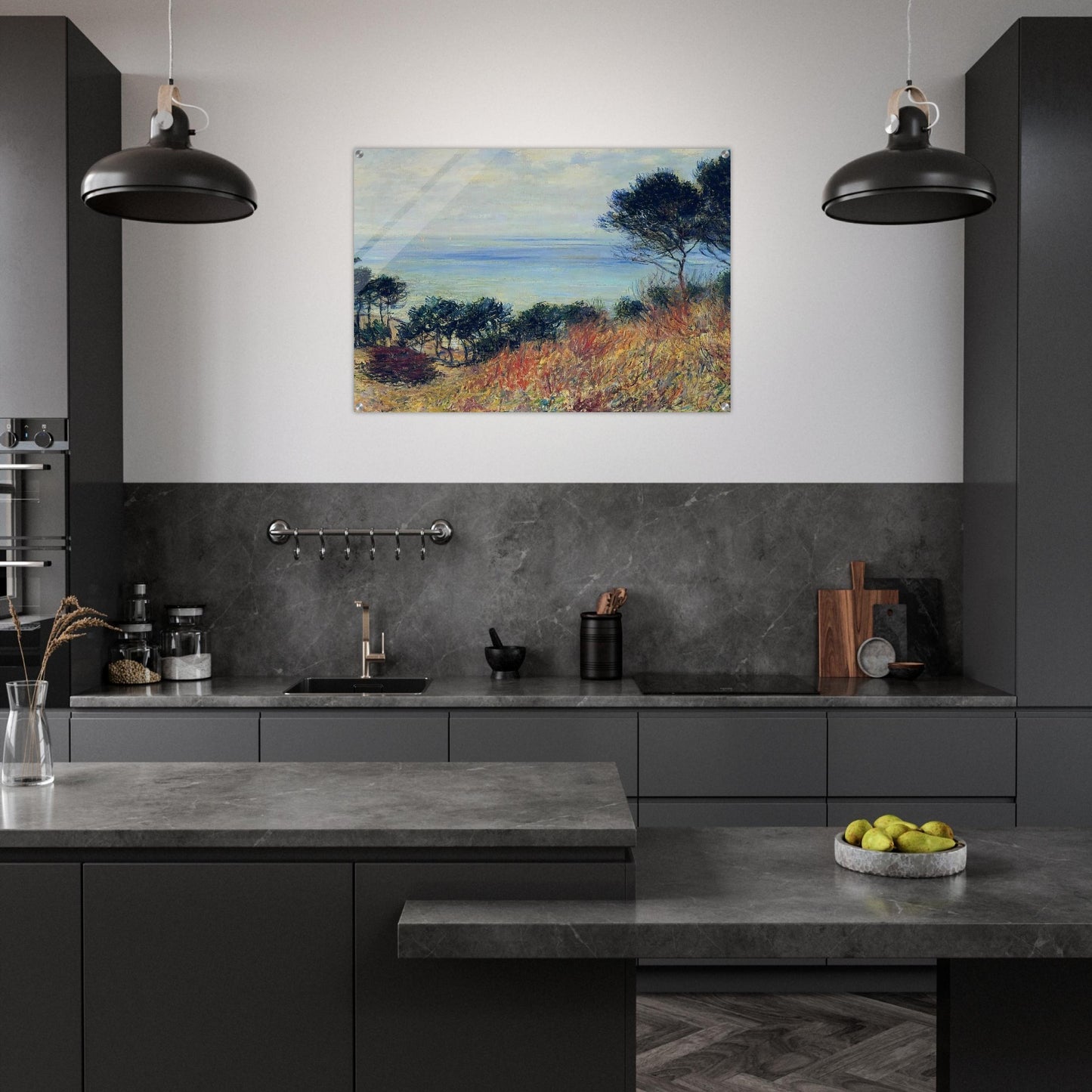
Our 70x100 cm / 28x40″ inches acrylic print elevates Monet's masterpiece with exceptional craftsmanship. The 4mm (0.15") acrylic surface ensures a sleek, vibrant, and durable finish that enhances color saturation and detail, mimicking the luminosity of the original oil painting. Featuring straight-cut corners for a modern aesthetic, this print is designed to impress in any setting. Transparent backgrounds default to white for optimal presentation, ensuring the artwork stands out with clarity and brilliance.
Complete Hanging Solution
Each print includes a comprehensive hanging kit with hardware, screws, and pre-drilled screw holes at each corner—positioned 14mm (0.55") from the edge, with an 8mm (0.31") diameter hole and 15mm (0.6") screw head for secure and effortless installation. This attention to detail reflects RedKalion's commitment to providing a seamless experience, from curation to display.
Elevate your home or office with an archival masterpiece that endures. RedKalion's reproduction of The Coast of Varengeville by Claude Monet combines art historical depth with premium materials, offering a timeless piece that inspires and delights.


Discover Unlimited Art Possibilities
At RedKalion, you can find virtually any artwork from any artist, available in a wide range of sizes to perfectly match your space.
If you didn’t find what you’re looking for, contact us at support@redkalion.com . We will source any artwork and produce it in any size and format you need, including art prints, posters, canvas, framed pieces, framed canvas, and more.
For dedicated art enthusiasts, we also offer handcrafted replicas of any artwork, carefully painted by highly skilled artists using traditional techniques.
For custom requests, contact us at support@redkalion.com .
What is the historical significance of The Coast of Varengeville by Claude Monet?
Painted in 1882, this work is a key example of Monet's Impressionist style, capturing the Normandy coastline with vibrant light and color to explore natural beauty and atmospheric effects.
What are the dimensions and material of this acrylic print?
This museum-quality reproduction measures 70x100 cm / 28x40″ inches and features a 4mm (0.15") acrylic surface for a sleek, vibrant, and durable fine art print finish.
How does the hanging kit work for installation?
It includes hardware, screws, and pre-drilled screw holes at each corner—14mm (0.55") from the edge, with an 8mm (0.31") diameter hole and 15mm (0.6") screw head for easy mounting.
What makes RedKalion's prints archival and long-lasting?
Our prints use premium acrylic and archival techniques to resist fading, ensuring your Claude Monet reproduction maintains its vibrant colors for years as a durable art piece.
How is shipping handled for this acrylic print?
We offer secure, tracked shipping with protective packaging to ensure your 70x100 cm print arrives safely and ready to display in your space.
Why did Monet choose Varengeville as a subject for this painting?
Monet was drawn to Varengeville's rugged cliffs and sea for its dramatic light effects, allowing him to experiment with color and brushwork in his plein air paintings.
What artistic techniques did Monet use in this painting?
He employed rapid, visible brushstrokes and a bright palette to capture the fleeting sunlight and natural textures, hallmark techniques of his Impressionist movement.