

RedKalion
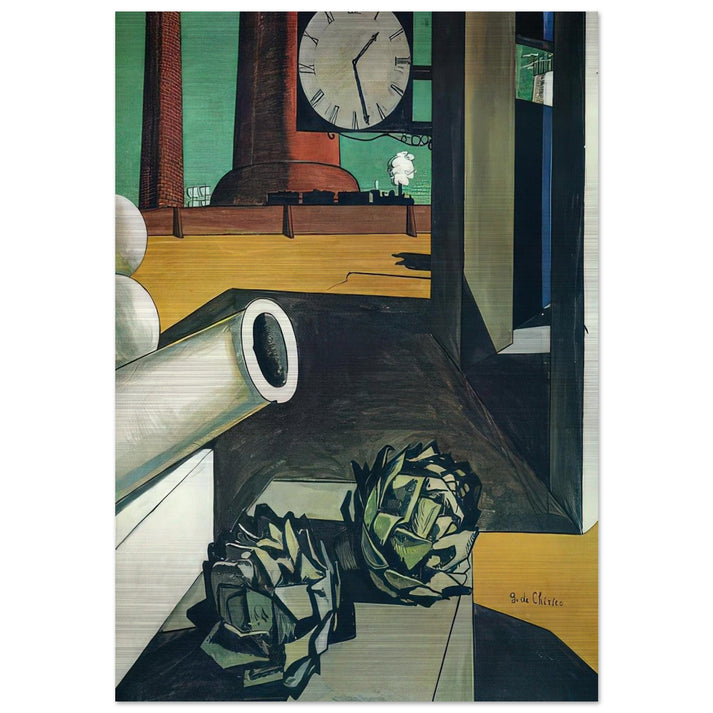
THE CONQUEST OF THE PHILOSOPHER 1914 - Giorgio de Chirico Brushed Aluminum Print - 70x100 cm / 28x40 inches | Giorgio de Chirico Aluminum Print | Giorgio de Chirico Prints
THE CONQUEST OF THE PHILOSOPHER 1914 - Giorgio de Chirico Brushed Aluminum Print - 70x100 cm / 28x40 inches | Giorgio de Chirico Aluminum Print | Giorgio de Chirico Prints
Couldn't load pickup availability
The Conquest of the Philosopher (1914) - Giorgio de Chirico Brushed Aluminum Print
Own a museum-quality reproduction of Giorgio de Chirico's enigmatic masterpiece, The Conquest of the Philosopher (1914). This fine art print captures the haunting stillness and metaphysical tension of the original, rendered on premium brushed aluminum for a contemporary, archival display. De Chirico, a pioneer of the Metaphysical art movement, crafted this work during his most influential period, using stark shadows, elongated perspectives, and classical motifs to evoke a dreamlike, philosophical unease. The scene—featuring a solitary figure amidst architectural ruins under an eerie sky—invites contemplation and adds a profound, intellectual depth to any space.
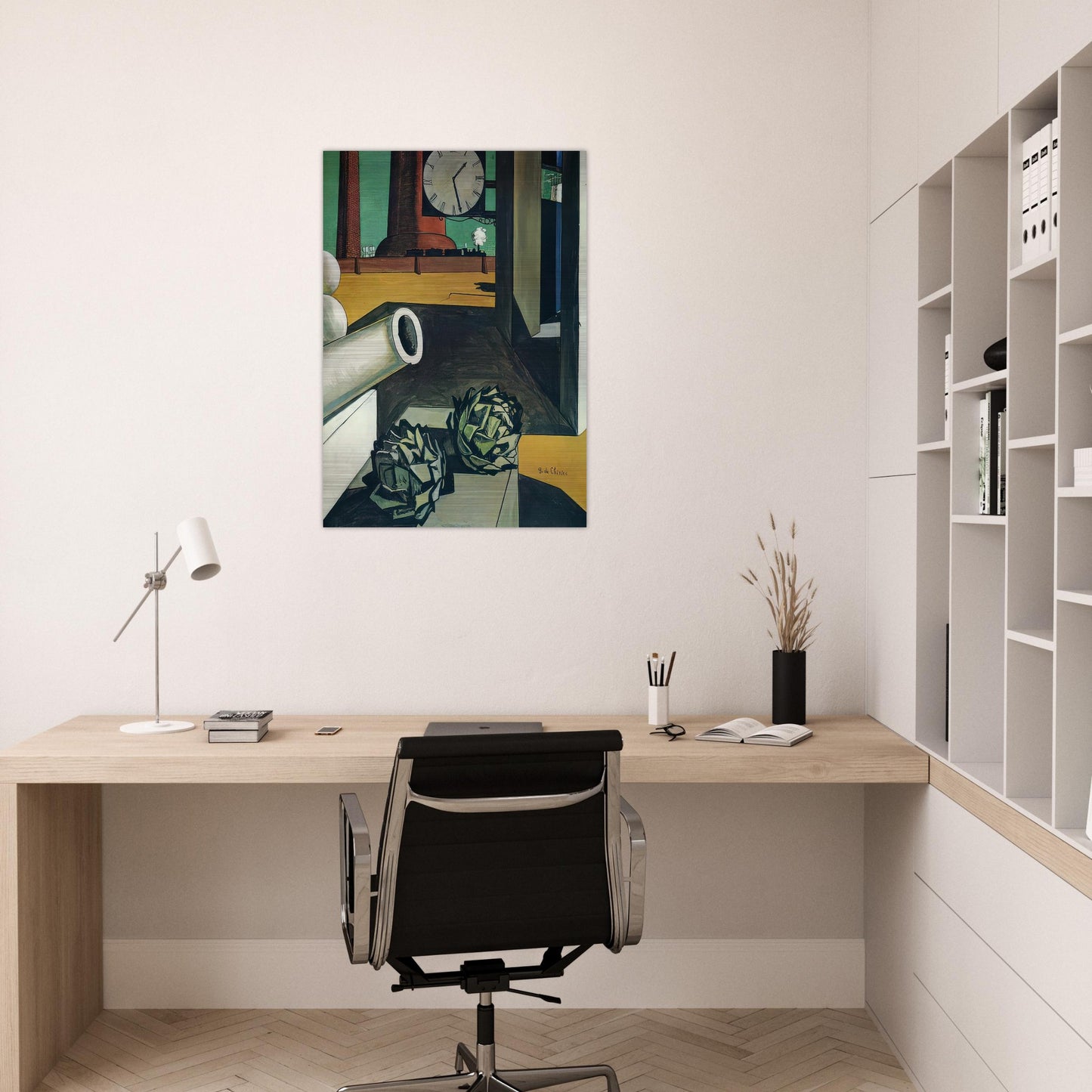
RedKalion's exclusive reproduction ensures every detail is preserved with precision. Printed directly on 3mm thick Brushed silver Aluminum DIBOND®, this piece boasts a durable, rigid base with a metallic finish and horizontal grain that enhances its dynamic visual appeal. The matte, glare-free surface allows for vivid color reproduction, while unprinted white areas reveal a striking brushed silver effect, perfect for the black-and-white contrasts of de Chirico's design. Each print includes a hanging kit for easy installation, making it ready to elevate your home or office with a timeless, conversation-starting artwork.
As your trusted curator of archival-grade reproductions, RedKalion combines art historical expertise with cutting-edge printing technology. This Giorgio de Chirico aluminum print is not just a decoration; it's an investment in a piece that endures, bringing the mystique of early 20th-century avant-garde art into your daily life. Discover the allure of metaphysical art with a reproduction that honors de Chirico's legacy and RedKalion's commitment to quality.


Discover Unlimited Art Possibilities
At RedKalion, you can find virtually any artwork from any artist, available in a wide range of sizes to perfectly match your space.
If you didn’t find what you’re looking for, contact us at support@redkalion.com . We will source any artwork and produce it in any size and format you need, including art prints, posters, canvas, framed pieces, framed canvas, and more.
For dedicated art enthusiasts, we also offer handcrafted replicas of any artwork, carefully painted by highly skilled artists using traditional techniques.
For custom requests, contact us at support@redkalion.com .
What are the dimensions and material of this Giorgio de Chirico print?
This fine art print measures 70x100 cm (28x40 inches) and is crafted from 3mm thick Brushed silver Aluminum DIBOND® with a metallic finish and horizontal grain for a durable, museum-quality reproduction.
How is the print applied to the aluminum surface?
It features direct printing on AluDibond, ensuring vivid colors and a matte finish, with unprinted white areas revealing a striking brushed silver effect for a dynamic look.
Is a hanging kit included with this aluminum art print?
Yes, a hanging kit is included for easy installation, though specific components may vary by fulfillment country to ensure secure mounting.
What makes this print archival and long-lasting?
Made with premium Aluminum DIBOND® and high-quality inks, this print resists fading and damage, offering an archival-grade reproduction that endures for years.
Can I display this print in areas with direct sunlight?
Yes, the matte, glare-free finish and durable materials make it suitable for various lighting conditions, though avoiding prolonged direct sunlight is recommended for optimal longevity.
What is the historical significance of The Conquest of the Philosopher?
Painted in 1914, this work exemplifies Giorgio de Chirico's Metaphysical art style, using surreal architecture and shadows to explore philosophical themes during a pivotal era in modern art.
How does de Chirico's technique influence the print's appearance?
De Chirico's use of stark contrasts and elongated perspectives is enhanced by the brushed silver aluminum, creating a striking effect that mirrors the original's dreamlike quality.