

RedKalion
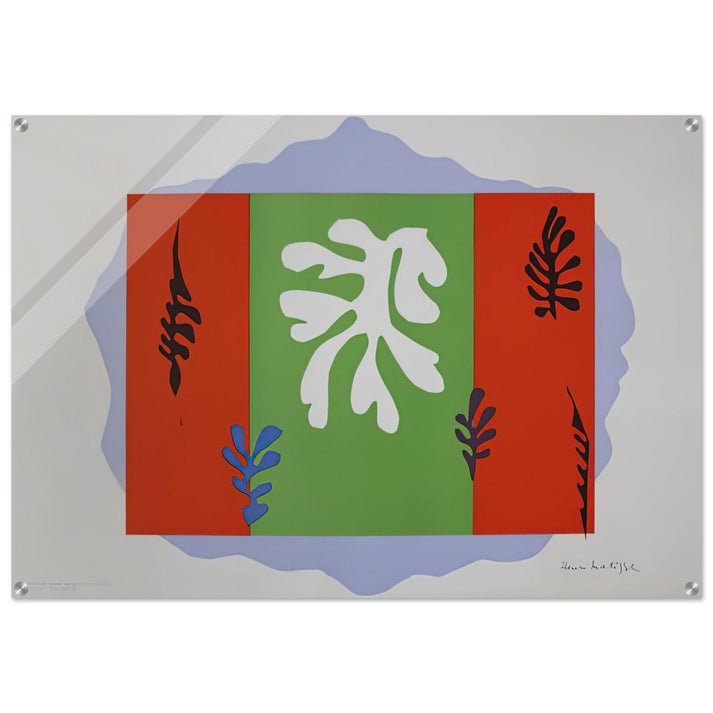
THE DANCER 1949 - Henri Matisse Acrylic Print - 70x100 cm / 28x40″ inches
THE DANCER 1949 - Henri Matisse Acrylic Print - 70x100 cm / 28x40″ inches
Couldn't load pickup availability
The Dancer 1949 - Henri Matisse Acrylic Print
Immerse yourself in the vibrant, expressive world of Henri Matisse with this museum-quality fine art print of The Dancer 1949. This archival reproduction captures the essence of Matisse's late-career brilliance, where bold color and fluid line converge to celebrate movement and joy. As a master of Fauvism and modern art, Matisse distilled the human form into pure, rhythmic energy in this piece, making it a timeless statement for any contemporary space.
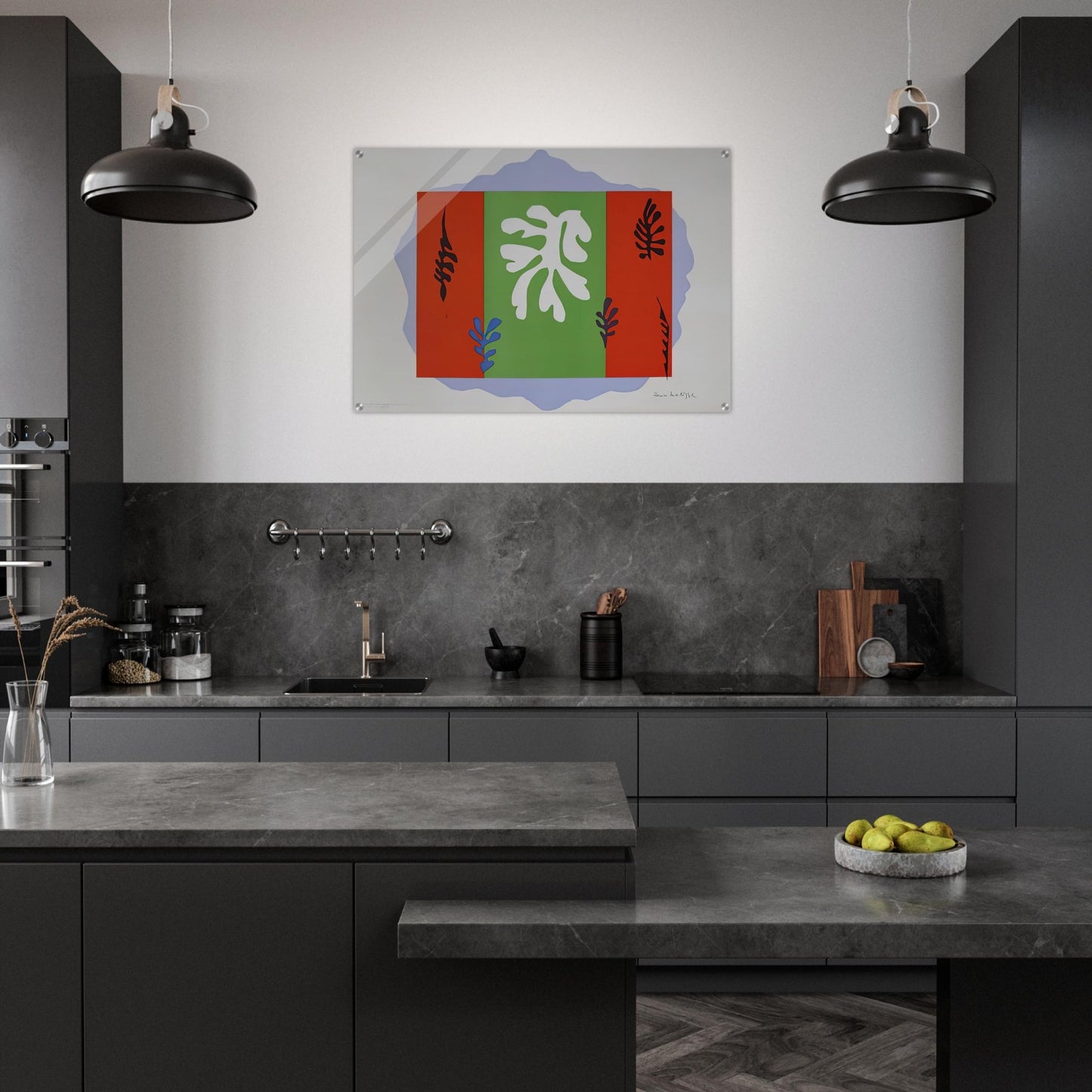
RedKalion presents this iconic work as a premium acrylic print, meticulously crafted to honor the artist's original vision. The 4mm (0.15") acrylic surface enhances color vibrancy and durability, while straight-cut corners offer a sleek, modern aesthetic. With a size of 70x100 cm (28x40 inches), this reproduction is designed for impactful display, complete with a hanging kit for effortless installation. Elevate your home or office with an archival masterpiece that endures, backed by our commitment to excellence in art reproduction.
- Material: 4mm (0.15") acrylic for a vibrant, durable finish.
- Design: Straight-cut corners; transparent backgrounds default to white.
- Size: 70x100 cm / 28x40 inches.
- Hanging Kit: Includes hardware, screws, and pre-drilled holes (14mm from edge, 8mm diameter).


Discover Unlimited Art Possibilities
At RedKalion, you can find virtually any artwork from any artist, available in a wide range of sizes to perfectly match your space.
If you didn’t find what you’re looking for, contact us at support@redkalion.com . We will source any artwork and produce it in any size and format you need, including art prints, posters, canvas, framed pieces, framed canvas, and more.
For dedicated art enthusiasts, we also offer handcrafted replicas of any artwork, carefully painted by highly skilled artists using traditional techniques.
For custom requests, contact us at support@redkalion.com .
What is the historical significance of The Dancer 1949 by Henri Matisse?
Created in Matisse's late period, this artwork exemplifies his mastery of color and line, reflecting his innovative cut-out technique that redefined modern art and abstract expression.
How does the acrylic print enhance the artwork's details?
The 4mm acrylic surface intensifies color vibrancy and sharpness, ensuring every brushstroke and hue from Matisse's original is preserved with museum-quality clarity.
What are the specifications of the paper and print quality?
This fine art print uses archival-grade materials on 4mm acrylic, offering fade-resistant durability and a sleek finish that mimics gallery displays.
How is the hanging kit installed for this 70x100 cm print?
The kit includes hardware and screws, with pre-drilled holes 14mm from each corner (8mm diameter) for secure, modern wall mounting.
What is the shipping and delivery process for this acrylic print?
We offer global shipping with protective packaging to ensure your museum-quality reproduction arrives safely and ready to display.
How long will the colors and materials last in this archival print?
Made with archival-grade acrylic, this print resists fading and damage, ensuring long-term vibrancy and durability for years of enjoyment.
What inspired Matisse's use of color in The Dancer 1949?
Influenced by his cut-out period, Matisse used bold, contrasting colors to evoke emotion and movement, drawing from his earlier Fauvist explorations.