RedKalion
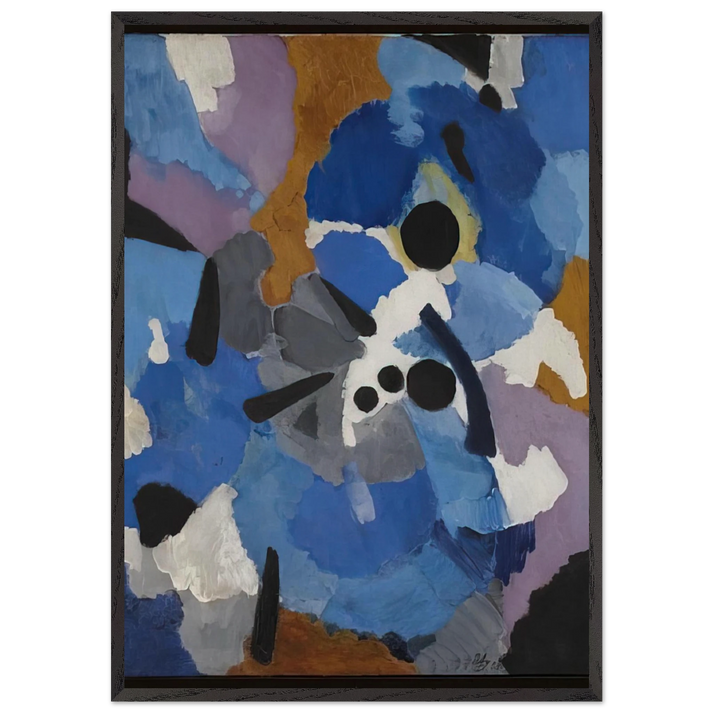
The Dancers - 1958 - Ernst Wilhelm Nay 70x100 cm / 28x40 inches Framed Art Print – Black Wooden Frame
The Dancers - 1958 - Ernst Wilhelm Nay 70x100 cm / 28x40 inches Framed Art Print – Black Wooden Frame
Couldn't load pickup availability
The Dancers (1958) by Ernst Wilhelm Nay: A Masterpiece of Abstract Expressionism
Immerse your space in the vibrant energy of Ernst Wilhelm Nay's iconic 1958 painting, The Dancers. This museum-quality fine art print captures the dynamic interplay of color and form that defined Nay's mature abstract style, offering a bold statement piece for modern interiors.
As a leading figure in post-war German art, Nay developed a unique visual language he called "Scheiben" (discs), where rhythmic circles and organic shapes evoke movement and emotion. In The Dancers, swirling hues of red, blue, and yellow coalesce into a joyful, almost musical composition that celebrates the pure essence of dance. This archival reproduction allows you to own a piece of art history, meticulously reproduced to honor Nay's original vision.
RedKalion presents this premium framed art print as a complete, ready-to-hang masterpiece. The artwork is expertly mounted in a sophisticated black wooden frame, crafted from responsibly sourced oak and ash wood. At 20mm thick and wide—substantially wider than the classic 14mm frame—it provides a commanding presence that enhances the artwork's impact.
The print itself is produced on archival museum-quality paper: a 250 gsm (110 lb), 0.29 mm thick matte, uncoated, natural white sheet that ensures longevity and a true fine art finish. Protected by shatterproof plexiglass, this framed print combines durability with aesthetic excellence, making it an ideal choice for homes, offices, or galleries seeking timeless elegance.
Elevate your decor with this Ernst Wilhelm Nay print, a testament to RedKalion's commitment to curating world-class reproductions that endure.

Discover Unlimited Art Possibilities
At RedKalion, you can find virtually any artwork from any artist, available in a wide range of sizes to perfectly match your space.
If you didn’t find what you’re looking for, contact us at support@redkalion.com . We will source any artwork and produce it in any size and format you need, including art prints, posters, canvas, framed pieces, framed canvas, and more.
For dedicated art enthusiasts, we also offer handcrafted replicas of any artwork, carefully painted by highly skilled artists using traditional techniques.
For custom requests, contact us at support@redkalion.com .
What are the dimensions of this framed Ernst Wilhelm Nay print?
This framed art print measures 70x100 cm (28x40 inches), including the black wooden frame, making it a substantial statement piece for any wall.
What type of paper is used for this fine art reproduction?
It's printed on 250 gsm (110 lb) archival museum-quality paper with a matte, uncoated finish, ensuring vibrant colors and long-lasting durability for your Ernst Wilhelm Nay artwork.
Is this framed print ready to hang?
Yes, this ready-to-hang framed print includes a hanging kit, allowing for easy installation directly on your wall upon arrival.
How does the frame enhance this museum-quality print?
The frame is made from responsibly sourced oak and ash wood, 20mm thick and wide, providing a robust and elegant border that complements the abstract expressionism of The Dancers.
What protection does this framed art print offer?
It features shatterproof plexiglass to protect the print from damage, ensuring your Ernst Wilhelm Nay reproduction remains pristine over time.
What artistic movement is Ernst Wilhelm Nay associated with?
Ernst Wilhelm Nay was a key figure in German abstract expressionism, known for his "Scheiben" style using colorful discs and organic forms to evoke emotion and movement.
Why is The Dancers (1958) significant in Nay's career?
This painting represents Nay's mature period, where he masterfully blended vibrant hues and dynamic shapes to capture the essence of dance, showcasing his evolution in post-war art.