
RedKalion
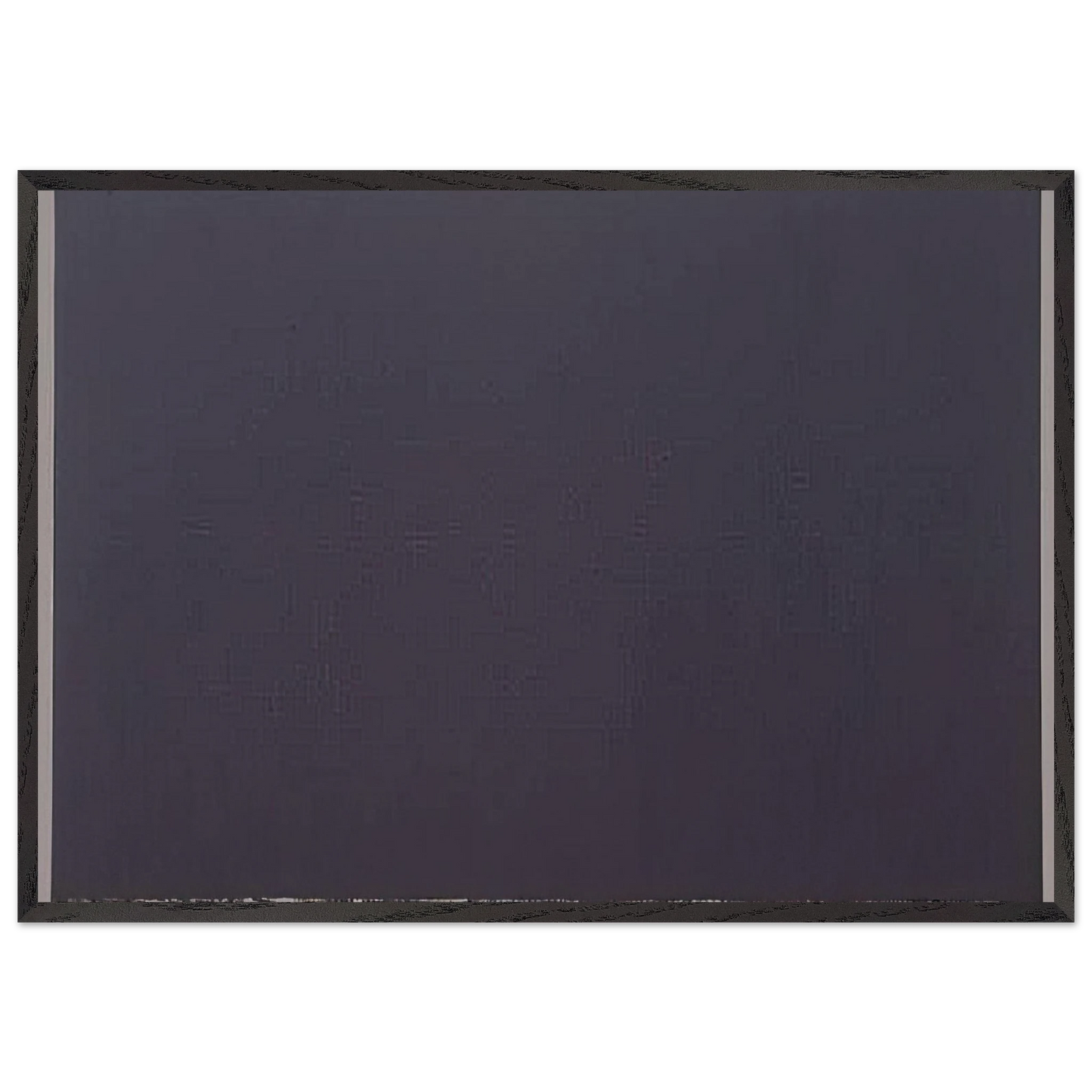
The Dylan Painting - 1966 - Brice Marden 70x100 cm / 28x40 inches Framed Art Print – Black Wooden Frame
The Dylan Painting - 1966 - Brice Marden 70x100 cm / 28x40 inches Framed Art Print – Black Wooden Frame
Couldn't load pickup availability
The Dylan Painting - 1966 - Brice Marden: A Monumental Minimalist Masterpiece
Immerse yourself in the profound simplicity of Brice Marden's The Dylan Painting - 1966, a defining work from the artist's early career that bridges Abstract Expressionism and Minimalism. This museum-quality art print captures the raw, textured surface and monochromatic depth of the original, rendered in a striking 70x100 cm (28x40 inches) format. Marden's use of encaustic—a technique involving pigmented wax—creates a tactile, luminous field that invites contemplation, reflecting the introspective mood of the 1960s art scene. RedKalion's archival reproduction ensures every subtle variation and gestural mark is preserved, offering an authentic glimpse into this pivotal moment in art history.
Elevate your space with this framed fine art print, presented in a responsibly sourced black wooden frame crafted from oak and ash wood. The frame measures 20mm (0.79") thick and wide, providing a substantial, modern presence that enhances the artwork's minimalist aesthetic. Protection is paramount: shatterproof plexiglass safeguards the print, while the 250 gsm (110 lb) matte, uncoated paper—with a natural white finish and 0.29 mm (11.4 mils) thickness—ensures longevity and fade resistance. Made from FSC-certified sustainable materials, this piece combines ethical craftsmanship with enduring beauty. Complete with a hanging kit, it arrives ready-to-hang, allowing you to seamlessly integrate this archival masterpiece into your home or office.
- Artwork Details: The Dylan Painting - 1966 by Brice Marden, 70x100 cm / 28x40 inches reproduction.
- Frame Specifications: Black wooden frame made from responsibly sourced oak and ash wood, 20mm (0.79") thick and wide.
- Paper Quality: 250 gsm (110 lb) matte, uncoated, natural white archival museum-quality paper, 0.29 mm (11.4 mils) thick.
- Protection & Sustainability: Shatterproof plexiglass and FSC-certified sustainable materials.
- Convenience: Includes hanging kit, ready-to-hang directly on the wall.
Discover Unlimited Art Possibilities
At RedKalion, you can find virtually any artwork from any artist, available in a wide range of sizes to perfectly match your space.
If you didn’t find what you’re looking for, contact us at support@redkalion.com . We will source any artwork and produce it in any size and format you need, including art prints, posters, canvas, framed pieces, framed canvas, and more.
For dedicated art enthusiasts, we also offer handcrafted replicas of any artwork, carefully painted by highly skilled artists using traditional techniques.
For custom requests, contact us at support@redkalion.com .
What are the dimensions of The Dylan Painting - 1966 framed art print?
The framed print measures 70x100 cm (28x40 inches), with a 20mm (0.79") thick black wooden frame made from responsibly sourced oak and ash wood, offering a substantial, modern presence.
What type of paper is used for this museum-quality reproduction?
We use 250 gsm (110 lb) matte, uncoated, natural white archival museum-quality paper, 0.29 mm (11.4 mils) thick, ensuring durability and fade resistance for a premium fine art print.
Is this framed print ready to hang upon arrival?
Yes, it includes a hanging kit and is ready-to-hang directly on your wall, making installation simple and hassle-free for your home or office decor.
How does the frame protect the artwork?
The frame features shatterproof plexiglass that safeguards the print from damage, while the responsibly sourced oak and ash wood construction ensures long-lasting protection and style.
Is the paper sustainable and archival-grade?
Yes, the paper is FSC-certified or equivalent, made from sustainable materials, and archival-grade to prevent yellowing and fading, preserving your investment in this Brice Marden reproduction.
What artistic technique did Brice Marden use in The Dylan Painting - 1966?
Marden employed encaustic, a technique using pigmented wax, to create a textured, luminous surface that defines this minimalist masterpiece from 1966.
Why is The Dylan Painting - 1966 significant in art history?
It bridges Abstract Expressionism and Minimalism, reflecting the 1960s art scene's shift toward introspective, monochromatic works that emphasize materiality and process.