
RedKalion
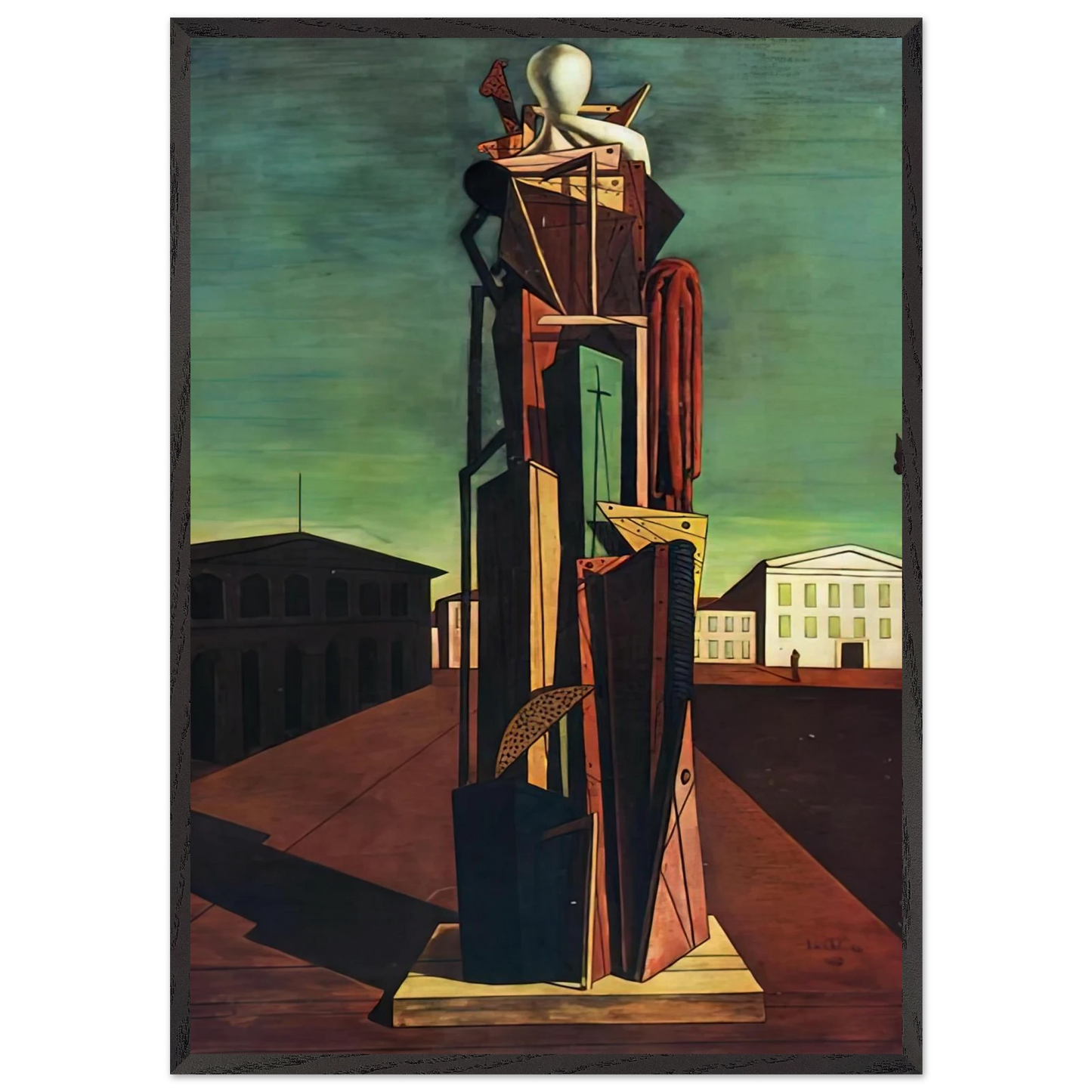
THE GREAT METAPHYSICIAN 1917 - Giorgio de Chirico 70x100 cm / 28x40 inches Framed Art Print – Black Wooden Frame
THE GREAT METAPHYSICIAN 1917 - Giorgio de Chirico 70x100 cm / 28x40 inches Framed Art Print – Black Wooden Frame
Couldn't load pickup availability
The Great Metaphysician (1917) by Giorgio de Chirico: A Museum-Quality Framed Art Print
Immerse yourself in the enigmatic world of Giorgio de Chirico with this premium framed art print of The Great Metaphysician (1917). This iconic work from the Metaphysical Art movement captures de Chirico's signature style—dreamlike architecture, elongated shadows, and mysterious mannequins—that profoundly influenced Surrealism. The painting's haunting, timeless atmosphere evokes introspection and intellectual curiosity, making it a captivating centerpiece for any sophisticated interior.
RedKalion presents this masterpiece as a museum-quality reproduction, meticulously crafted to honor the original's eerie beauty. Our archival-grade print uses 250 gsm (110 lb) matte, uncoated paper with a natural white finish, ensuring vibrant color fidelity and a texture that mimics fine art canvas. The print is protected by shatterproof plexiglass and elegantly framed in a 20mm (0.79") thick black wooden frame made from responsibly sourced oak and ash wood, wider than classic frames for a bold, modern statement. This 70x100 cm / 28x40 inches framed art print arrives ready-to-hang with a complete hanging kit, allowing you to elevate your space instantly with an archival masterpiece that endures.
Art Historical Insight: De Chirico's The Great Metaphysician exemplifies his "metaphysical" approach, where ordinary objects are stripped of function to reveal deeper, unsettling realities. Painted during World War I, it reflects the era's existential anxieties through its disjointed perspective and silent, shadowy forms—a technique that inspired artists like Salvador Dalí and René Magritte.
- Frame: Black wooden frame (20mm thick, responsibly sourced oak and ash wood)
- Print Size: 70x100 cm / 28x40 inches
- Paper: 250 gsm (110 lb), matte, uncoated, archival museum-quality, FSC-certified
- Protection: Shatterproof plexiglass
- Ready-to-Hang: Includes hanging kit
Discover Unlimited Art Possibilities
At RedKalion, you can find virtually any artwork from any artist, available in a wide range of sizes to perfectly match your space.
If you didn’t find what you’re looking for, contact us at support@redkalion.com . We will source any artwork and produce it in any size and format you need, including art prints, posters, canvas, framed pieces, framed canvas, and more.
For dedicated art enthusiasts, we also offer handcrafted replicas of any artwork, carefully painted by highly skilled artists using traditional techniques.
For custom requests, contact us at support@redkalion.com .
What are the dimensions of this Giorgio de Chirico framed art print?
This framed art print measures 70x100 cm (28x40 inches), including the 20mm thick black wooden frame, making it a statement piece for walls in living rooms, offices, or galleries.
What type of paper is used for this fine art print?
We use 250 gsm (110 lb) matte, uncoated archival museum-quality paper, FSC-certified for sustainability, ensuring vibrant colors and long-lasting durability for your de Chirico reproduction.
Is this framed print ready to hang?
Yes, this Giorgio de Chirico framed art print includes a hanging kit and arrives ready-to-hang, so you can display it directly on your wall without additional setup.
How durable is the frame and protection?
The frame is made from 20mm thick responsibly sourced oak and ash wood, with shatterproof plexiglass to protect the print from damage, ensuring a premium and safe display.
Is this print archival and fade-resistant?
Yes, our archival museum-quality paper and inks are designed to resist fading, preserving the vivid details of The Great Metaphysician for generations in your home or collection.
What is the historical significance of The Great Metaphysician?
Painted in 1917, this work is a key example of Giorgio de Chirico's Metaphysical Art, influencing Surrealism with its dreamlike, eerie scenes that explore existential themes during World War I.
Why are the shadows and mannequins prominent in this artwork?
De Chirico used elongated shadows and mannequins to create a sense of mystery and timelessness, stripping objects of function to evoke deeper metaphysical and psychological realities.