
RedKalion
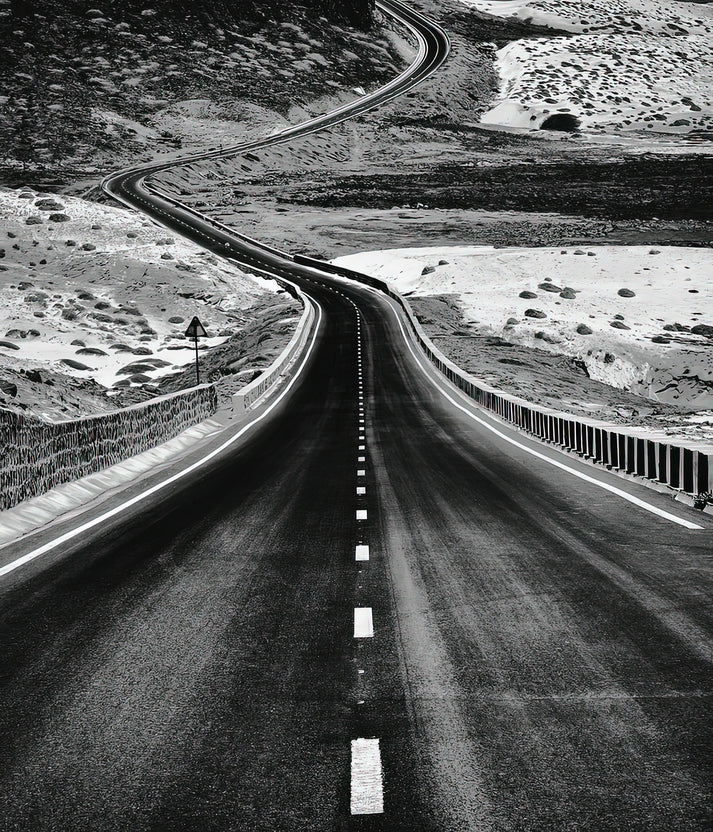
The Long And Winding Road Art Print | Premium Fine Art Reproduction | RedKalion
The Long And Winding Road Art Print | Premium Fine Art Reproduction | RedKalion
Couldn't load pickup availability
Paul McCartney's 'The Long And Winding Road' is a poignant ballad from The Beatles' final studio album, 'Let It Be' (1970). Its melancholic melody and introspective lyrics reflect the band's dissolution, capturing a moment of transition in rock history. This art print presents the iconic album artwork, designed by John Kosh, which features a minimalist aesthetic with the band's name in bold typography against a stark background.
Historical Context of The Long And Winding Road
Recorded in 1969 during the 'Get Back' sessions, the song evolved from McCartney's piano demo into a Phil Spector-produced orchestral arrangement. Its release marked The Beatles' farewell, symbolizing the end of an era. The artwork, devoid of band imagery, emphasizes the music's emotional weight, making it a timeless piece for collectors.
Stylistic Analysis of This Art Print
This reproduction highlights the graphic design's clean lines and typographic focus, characteristic of late-1960s album art. The off-white paper enhances the contrast, preserving the original's visual impact. RedKalion's archival standards ensure the print's longevity, offering a museum-quality piece that honors the song's legacy.
Print Specifications & Materials
- Available Sizes: 75×100 cm / 30×40″, 40×50 cm / 16×20″, 21×29.7 cm / 8×12″
- Paper Finishing: Matte, uncoated, natural white (off-white)
- Acid-Free: pH above 7 to prevent yellowing over time
- Paper Weight: 250 gsm (110 lb) | Thickness: 0.29 mm (11.4 mils)
- Sustainable Paper: FSC-certified
Own a piece of music history with this premium art print of 'The Long And Winding Road'. RedKalion delivers expert reproductions for discerning art enthusiasts, ensuring every detail resonates with authenticity.

Discover Unlimited Art Possibilities
At RedKalion, you can find virtually any artwork from any artist, available in a wide range of sizes to perfectly match your space.
If you didn’t find what you’re looking for, contact us at support@redkalion.com . We will source any artwork and produce it in any size and format you need, including art prints, posters, canvas, framed pieces, framed canvas, and more.
For dedicated art enthusiasts, we also offer handcrafted replicas of any artwork, carefully painted by highly skilled artists using traditional techniques.
For custom requests, contact us at support@redkalion.com .
What is the historical significance of 'The Long And Winding Road' artwork?
The artwork, designed by John Kosh for The Beatles' 1970 album 'Let It Be', features minimalist typography reflecting the band's final era and the song's emotional themes of farewell and transition.
What are the details of the album cover design in this print?
This print reproduces the original album cover with bold 'THE BEATLES' lettering on a plain background, emphasizing the graphic style of late-1960s music art without band photographs.
What paper is used for this fine art print?
We use FSC-certified, acid-free paper with a matte finish and 250 gsm weight to ensure archival quality and prevent yellowing, ideal for long-term display.
How is this art print shipped and packaged?
Prints are shipped in sturdy, flat packaging with protective layers to prevent damage during transit, ensuring they arrive ready for framing.
How long will this print last without fading?
With acid-free materials and UV-resistant inks, this print maintains its color and integrity for decades under normal indoor lighting conditions.
Who designed the original 'The Long And Winding Road' album artwork?
John Kosh, the creative director for Apple Records, designed the minimalist cover, focusing on typography to complement the song's introspective mood.
What inspired the lyrics of 'The Long And Winding Road'?
Paul McCartney wrote the song during a period of personal and band turmoil, drawing on themes of journey and reflection, which resonated with The Beatles' breakup.