RedKalion
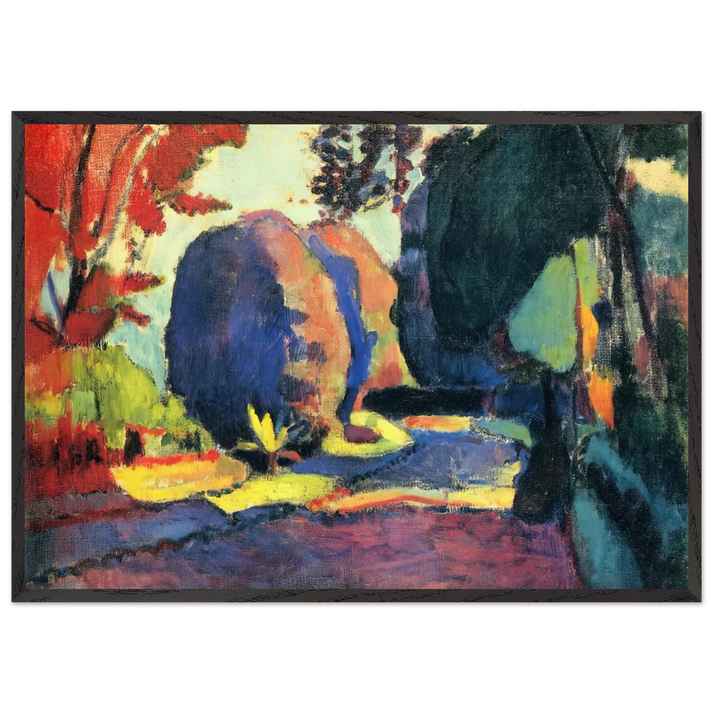
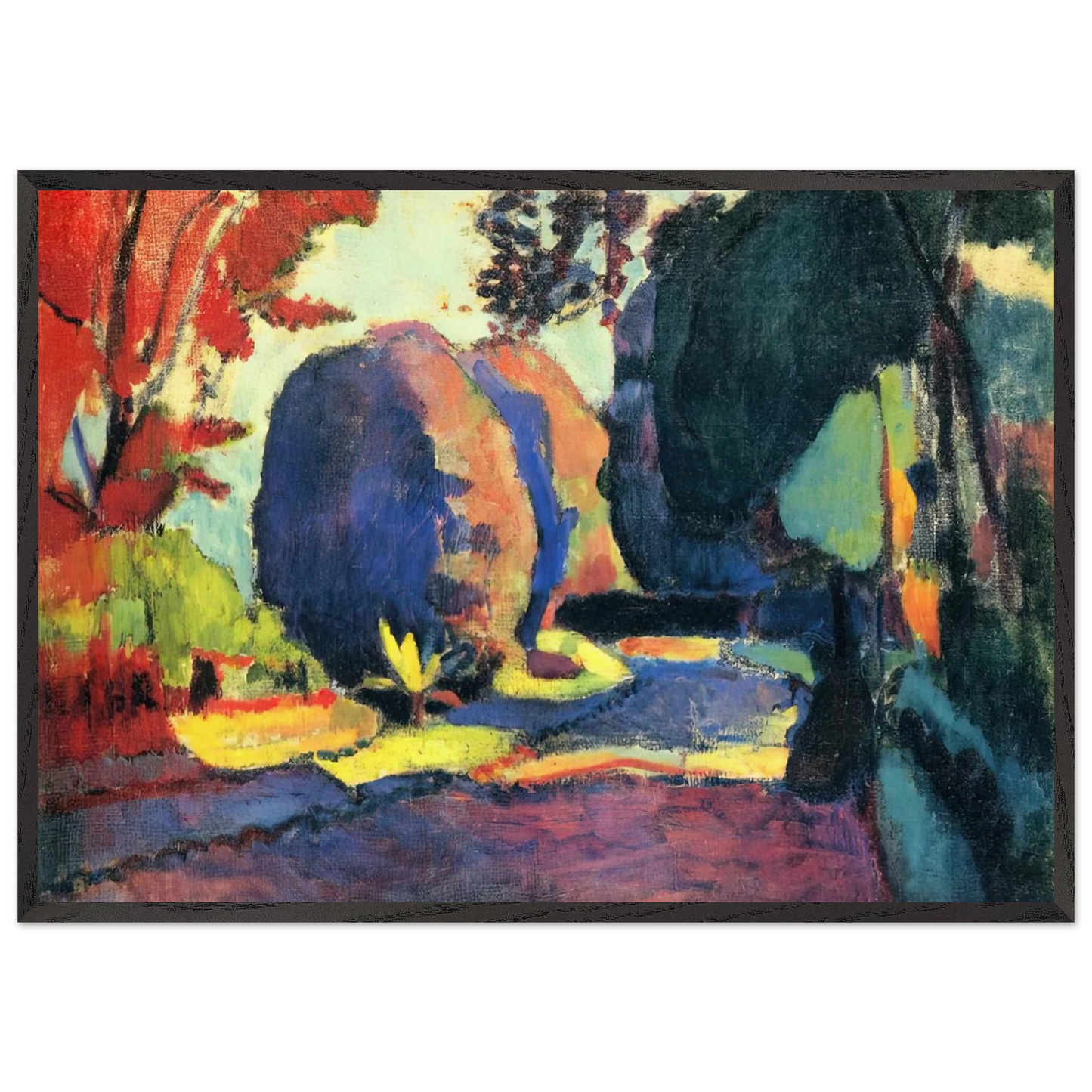
THE LUXEMBOURG GARDENS 1901 - Henri Matisse 70x100 cm / 28x40 inches Framed Art Print – Black Wooden Frame
THE LUXEMBOURG GARDENS 1901 - Henri Matisse 70x100 cm / 28x40 inches Framed Art Print – Black Wooden Frame
Couldn't load pickup availability
THE LUXEMBOURG GARDENS 1901 - Henri Matisse Framed Art Print
Immerse your space in the vibrant, early modernist vision of Henri Matisse with this museum-quality reproduction of "The Luxembourg Gardens 1901." This framed art print captures Matisse's bold exploration of color and form during a pivotal moment in his career, as he transitioned from Impressionist influences toward the expressive Fauvist style that would define his legacy. The scene, depicting the iconic Parisian park, radiates with energetic brushstrokes and a luminous palette that evokes a sense of leisurely urban tranquility and artistic innovation.
RedKalion presents this archival masterpiece on premium 250 gsm (110 lb) matte, uncoated paper, ensuring exceptional detail and color fidelity that honors the original work. The print is elegantly housed in a black wooden frame crafted from responsibly sourced oak and ash wood, featuring a substantial 20mm (0.79") thickness for a bold, gallery-worthy presence. Protected by shatterproof plexiglass and including a ready-to-hang kit, this piece arrives fully prepared to elevate any room with enduring sophistication.
- Frame: Black wooden frame (oak/ash, 20mm thick)
- Print Size: 70x100 cm / 28x40 inches
- Paper: 250 gsm matte archival paper, FSC-certified
- Protection: Shatterproof plexiglass
- Ready-to-Hang: Includes hanging kit
Elevate your home or office with a fine art print that combines historical significance with contemporary craftsmanship, curated by RedKalion for discerning collectors.
Discover Unlimited Art Possibilities
At RedKalion, you can find virtually any artwork from any artist, available in a wide range of sizes to perfectly match your space.
If you didn’t find what you’re looking for, contact us at support@redkalion.com . We will source any artwork and produce it in any size and format you need, including art prints, posters, canvas, framed pieces, framed canvas, and more.
For dedicated art enthusiasts, we also offer handcrafted replicas of any artwork, carefully painted by highly skilled artists using traditional techniques.
For custom requests, contact us at support@redkalion.com .
What is the historical significance of "The Luxembourg Gardens 1901" by Henri Matisse?
This painting marks Matisse's early modernist shift, blending Impressionist techniques with bold color experiments that foreshadowed his Fauvist style, capturing Parisian leisure in 1901.
How does the frame enhance this Matisse art print?
The black wooden frame, made from responsibly sourced oak and ash with a 20mm thickness, provides a sturdy, gallery-quality display that complements the vibrant artwork.
What are the specifications of the museum-quality paper used?
We use 250 gsm (110 lb) matte, uncoated archival paper, 0.29 mm thick, FSC-certified for sustainability, ensuring fine art reproduction with excellent color and detail.
Is this framed print ready to hang upon delivery?
Yes, it includes a hanging kit and shatterproof plexiglass protection, arriving fully assembled and ready to hang directly on your wall.
How durable and archival is this fine art print?
With FSC-certified paper and shatterproof plexiglass, this print is designed for long-term display, resisting fading and damage to maintain its quality.
What makes this Matisse reproduction different from others?
RedKalion's version uses premium 250 gsm archival paper and a 20mm thick wooden frame, offering superior durability and aesthetic appeal compared to standard prints.
Can you describe Matisse's technique in this artwork?
Matisse employed loose, energetic brushstrokes and a bright palette to depict light and movement, showcasing his transition toward expressive colorism in early 20th-century art.