

RedKalion
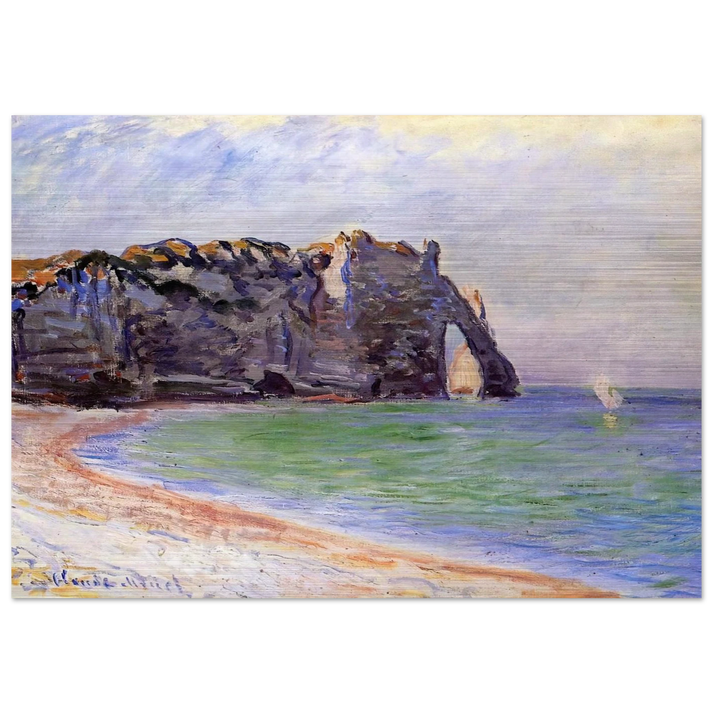
The Manneport, Etretat, the Porte d'Aval - claude monet Brushed Aluminum Print - 70x100 cm / 28x40 inches | claude monet Aluminum Print | claude monet Prints
The Manneport, Etretat, the Porte d'Aval - claude monet Brushed Aluminum Print - 70x100 cm / 28x40 inches | claude monet Aluminum Print | claude monet Prints
Couldn't load pickup availability
The Manneport, Etretat: A Masterpiece of Light and Sea by Claude Monet
Immerse yourself in the dramatic beauty of Normandy's coastline with this museum-quality reproduction of Claude Monet's The Manneport, Etretat, the Porte d'Aval. Painted in 1885, this iconic work captures the rugged majesty of the famous sea arch at Etretat, where Monet explored the interplay of light, shadow, and the relentless power of the sea. As a leading figure of the Impressionist movement, Monet's loose brushstrokes and nuanced color palette evoke a sense of atmospheric depth and natural grandeur, making this piece a timeless statement of artistic innovation.
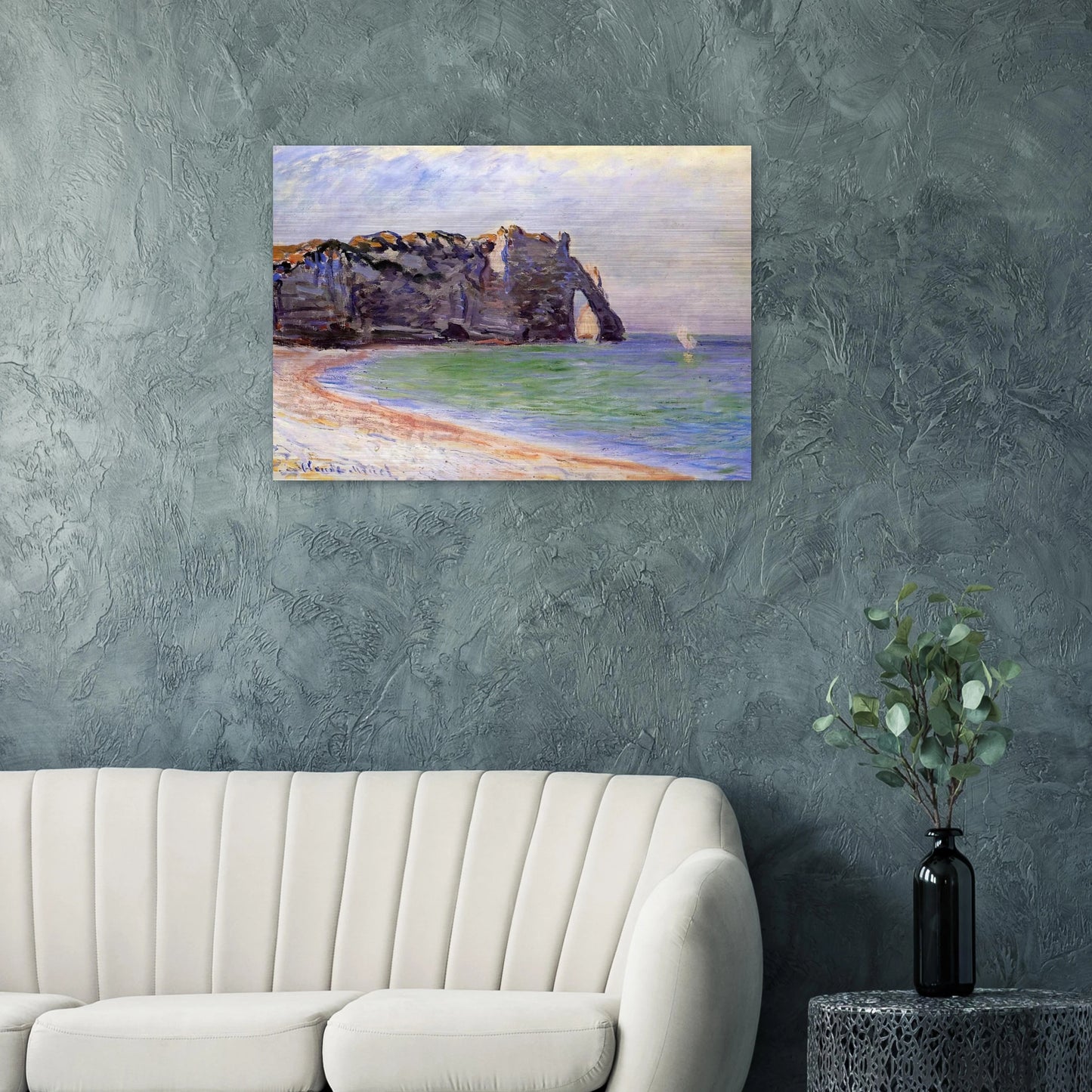
RedKalion presents this archival-grade Claude Monet fine art print on premium brushed silver Aluminum DIBOND®, meticulously crafted to honor the original's vibrancy. The 3mm (0.12") thick base ensures durability and a rigid, professional presentation, while the direct print on AluDibond delivers vivid, true-to-life colors with a matte, glare-free finish. Unprinted areas reveal a striking metallic silver effect, enhancing the dynamic look with a horizontal grain that complements the artwork's natural textures. Measuring 70x100 cm / 28x40 inches, this piece is ready to elevate any space with its sophisticated presence.
Elevate your home or office with a reproduction that combines historical significance with modern craftsmanship. Trust RedKalion for museum-quality reproductions that endure, backed by our commitment to archival standards and artistic integrity.


Discover Unlimited Art Possibilities
At RedKalion, you can find virtually any artwork from any artist, available in a wide range of sizes to perfectly match your space.
If you didn’t find what you’re looking for, contact us at support@redkalion.com . We will source any artwork and produce it in any size and format you need, including art prints, posters, canvas, framed pieces, framed canvas, and more.
For dedicated art enthusiasts, we also offer handcrafted replicas of any artwork, carefully painted by highly skilled artists using traditional techniques.
For custom requests, contact us at support@redkalion.com .
What are the dimensions and material of this Claude Monet print?
This print measures 70x100 cm (28x40 inches) and is crafted on brushed silver Aluminum DIBOND® with a 3mm thickness, offering a durable, rigid base with a metallic finish and horizontal grain for a dynamic look.
How is the print applied to the aluminum surface?
It features direct printing on AluDibond, ensuring vivid colors and a matte finish, with unprinted white areas revealing a striking metallic silver effect for enhanced visual appeal.
Is a hanging kit included with this fine art print?
Yes, a hanging kit is included; the specific components may vary by fulfillment country to ensure secure and easy installation.
What makes this reproduction archival-quality?
RedKalion uses premium materials like Aluminum DIBOND® and direct printing techniques to create long-lasting, fade-resistant prints that meet museum-quality standards for durability and color accuracy.
How does the finish affect the artwork's display?
The matte, glare-free finish is ideal for black-and-white designs and enhances the brushed silver effect, making it perfect for well-lit spaces without reflections.
What historical significance does The Manneport, Etretat hold?
Painted in 1885, this work is part of Monet's series on Etretat's cliffs, showcasing his Impressionist exploration of light and natural forms, capturing the dramatic sea arch at Normandy's coast.
Why did Monet choose Etretat as a subject?
Monet was drawn to Etretat for its rugged coastal landscapes, which allowed him to study changing light and weather conditions, reflecting his focus on atmospheric effects in nature.