RedKalion
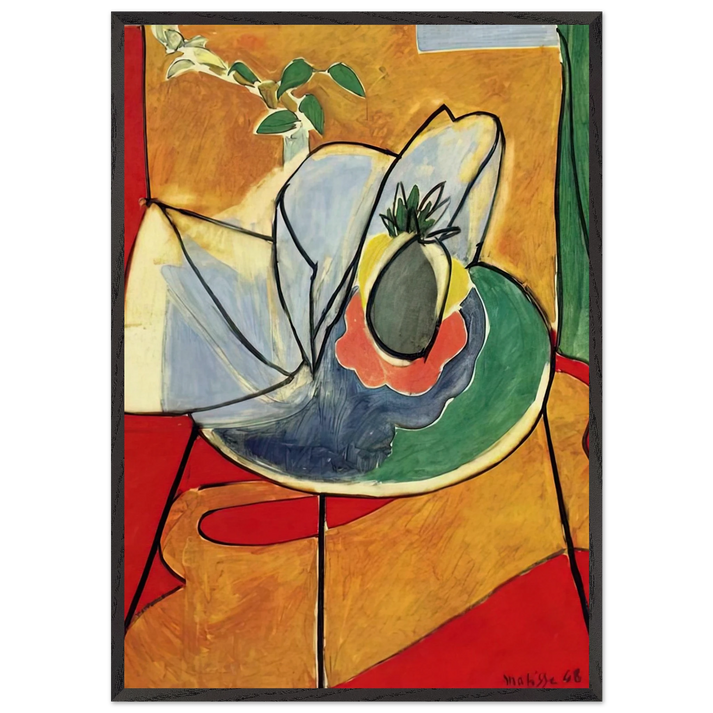
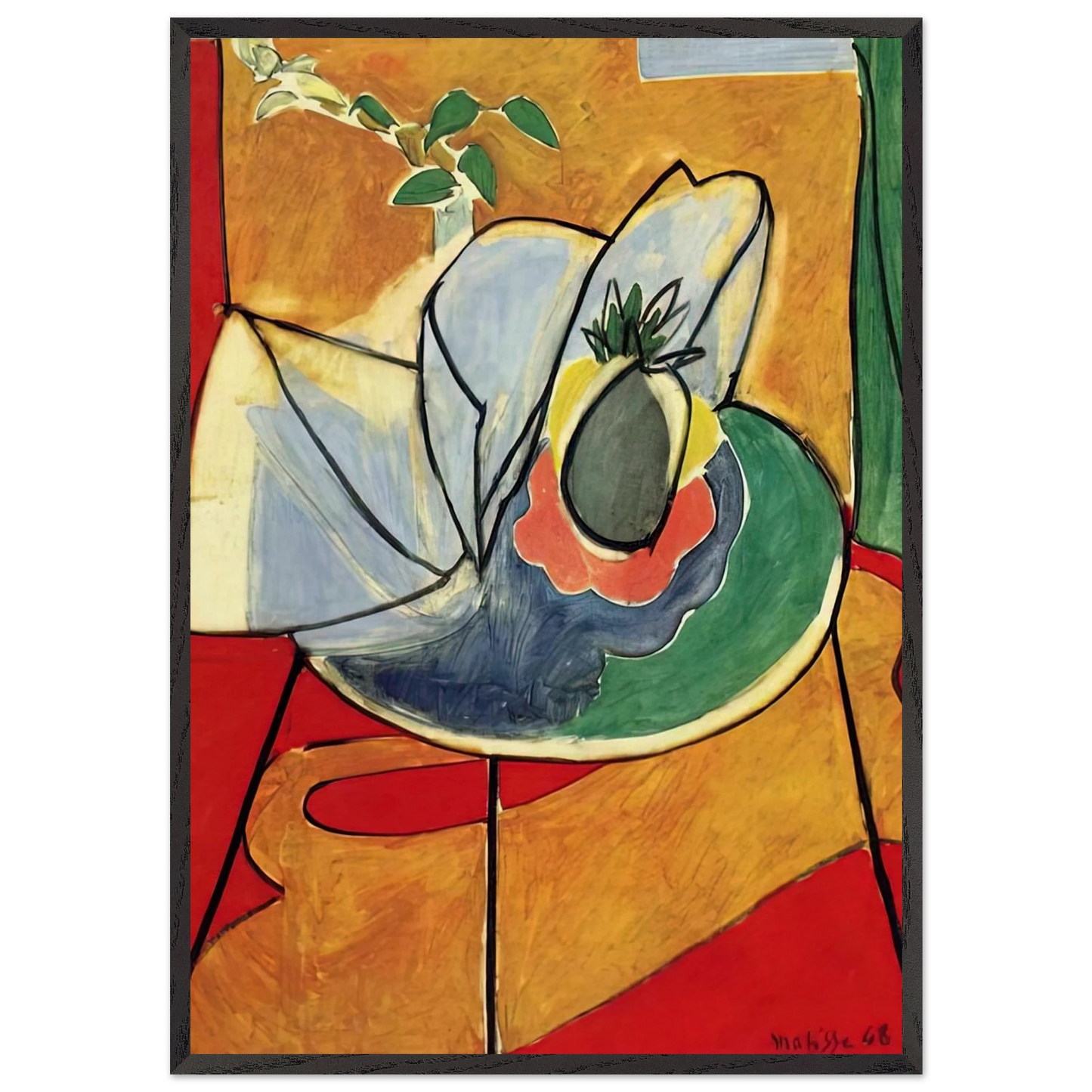
THE PINAPPLE 1948 - Henri Matisse 70x100 cm / 28x40 inches Framed Art Print – Black Wooden Frame
THE PINAPPLE 1948 - Henri Matisse 70x100 cm / 28x40 inches Framed Art Print – Black Wooden Frame
Couldn't load pickup availability
The Pineapple, 1948 by Henri Matisse: A Vibrant Still Life Masterpiece
Immerse yourself in the bold, joyful world of Henri Matisse with this museum-quality framed art print of The Pineapple, 1948. This iconic work showcases Matisse's revolutionary use of color and simplified forms during his later years, capturing the exotic allure of a pineapple with vibrant, expressive brushstrokes that radiate warmth and vitality. As a leading figure of Fauvism, Matisse transformed ordinary subjects into extraordinary celebrations of life, making this piece a timeless statement of artistic innovation.
RedKalion presents this archival reproduction on premium 250 gsm (110 lb) matte, uncoated paper, ensuring exceptional color fidelity and a tactile, gallery-worthy finish. The print is elegantly framed in a 20mm thick black wooden frame crafted from responsibly sourced oak and ash, offering a substantial, modern presence that enhances any interior. Protected by shatterproof plexiglass and complete with a hanging kit, this ready-to-hang artwork arrives as a curated masterpiece, designed to elevate your home or office with enduring sophistication.
Art Historical Insight: Created in 1948, this work reflects Matisse's 'cut-out' period, where he explored pure color and abstracted shapes, prefiguring his famous paper collages. The pineapple, a symbol of hospitality and luxury, is rendered with a playful simplicity that belies its deep artistic significance.
- Frame: Black wooden frame (20mm thick/wide) from responsibly sourced oak and ash
- Paper: 250 gsm (110 lb), 0.29 mm thick, matte, uncoated, archival museum-quality
- Protection: Shatterproof plexiglass
- Sustainability: FSC-certified or equivalent materials
- Ready-to-Hang: Includes hanging kit
- Dimensions: 70x100 cm / 28x40 inches (framed)
Elevate your space with an archival masterpiece that endures, bringing the genius of Henri Matisse into your daily life.
Discover Unlimited Art Possibilities
At RedKalion, you can find virtually any artwork from any artist, available in a wide range of sizes to perfectly match your space.
If you didn’t find what you’re looking for, contact us at support@redkalion.com . We will source any artwork and produce it in any size and format you need, including art prints, posters, canvas, framed pieces, framed canvas, and more.
For dedicated art enthusiasts, we also offer handcrafted replicas of any artwork, carefully painted by highly skilled artists using traditional techniques.
For custom requests, contact us at support@redkalion.com .
What is the historical significance of The Pineapple, 1948 by Henri Matisse?
This artwork represents Matisse's late-career innovation in color and form, created during his 'cut-out' period that influenced modern art, using a pineapple as a vibrant symbol of exoticism and joy.
How does the frame enhance this Henri Matisse fine art print?
The 20mm thick black wooden frame, made from responsibly sourced oak and ash, provides a sturdy, modern border that complements the artwork's bold colors and ensures durability.
What are the specifications of the museum-quality paper used?
It features 250 gsm (110 lb) matte, uncoated archival paper with a natural white finish and 0.29 mm thickness, ideal for high-resolution color reproduction and longevity.
Is this framed art print ready to hang upon delivery?
Yes, it includes a hanging kit and is fully assembled, allowing for immediate display on your wall without additional setup.
How does the shatterproof plexiglass protect the print?
The plexiglass shields the artwork from dust, UV light, and physical damage while maintaining clarity, ensuring your Matisse reproduction remains pristine over time.
What sustainable materials are used in this product?
We use FSC-certified or equivalent sustainable paper and responsibly sourced wood for the frame, supporting eco-friendly practices in fine art reproduction.
Can you describe Matisse's technique in The Pineapple, 1948?
Matisse employed simplified, abstracted forms and intense, flat colors, characteristic of his Fauvist style, to evoke emotion and highlight the pineapple's exotic appeal.