RedKalion
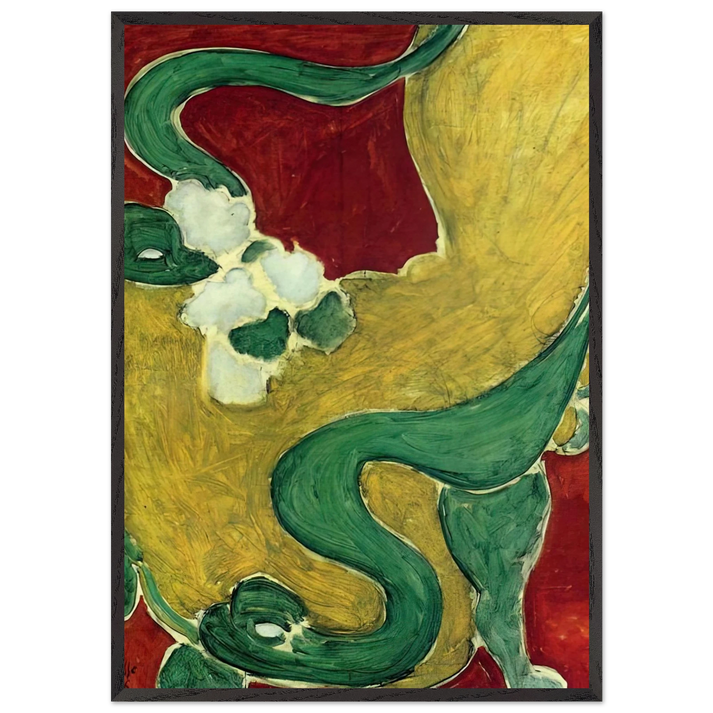
THE RACAILLE CHAIR 1946 - Henri Matisse 70x100 cm / 28x40 inches Framed Art Print – Black Wooden Frame
THE RACAILLE CHAIR 1946 - Henri Matisse 70x100 cm / 28x40 inches Framed Art Print – Black Wooden Frame
Couldn't load pickup availability
The Racaille Chair 1946 - Henri Matisse: A Masterpiece of Modernist Simplicity
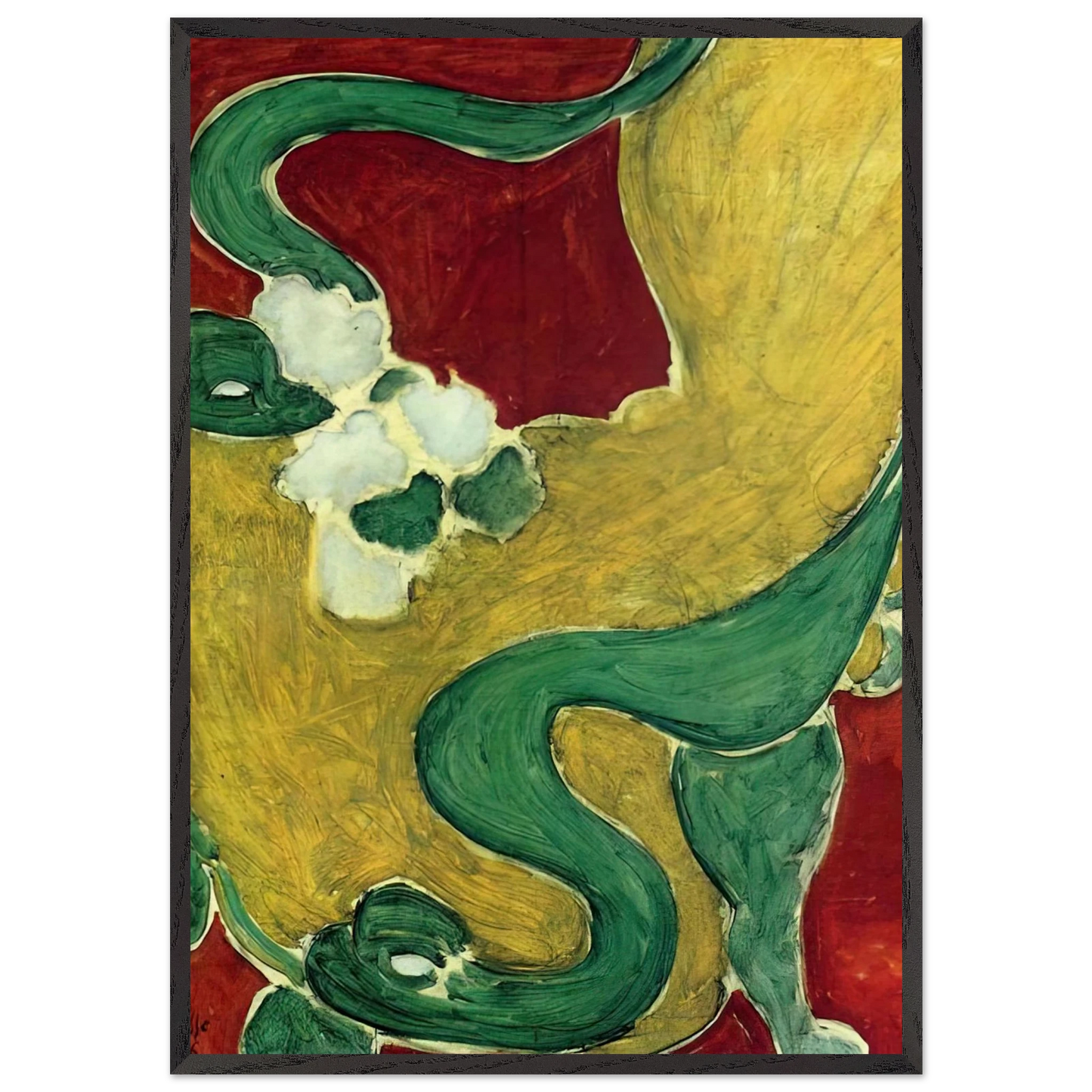
Immerse your space in the vibrant legacy of Henri Matisse with this museum-quality framed art print of The Racaille Chair (1946). This iconic work exemplifies Matisse's late-career genius, where he distilled forms to their essence through bold cut-outs and vivid color. The composition—a simple chair against a dynamic background—captures a moment of serene domesticity, blending abstraction with tangible warmth. It's a testament to Matisse's revolutionary approach to shape and hue, making it a timeless addition for art lovers seeking modernist elegance.
RedKalion presents this archival reproduction on 250 gsm (110 lb) matte, uncoated paper, ensuring a natural white finish that mirrors gallery standards. The print is safeguarded by shatterproof plexiglass and framed in a 20mm (0.79") thick black wooden frame crafted from responsibly sourced oak and ash wood, offering a wider, more substantial profile than classic frames. At 70x100 cm / 28x40 inches, this ready-to-hang piece includes a hanging kit for effortless display.
- Artwork: The Racaille Chair 1946 by Henri Matisse
- Dimensions: 70x100 cm / 28x40 inches (framed)
- Frame: Black wooden frame (20mm thick, responsibly sourced oak and ash wood)
- Paper: 250 gsm (110 lb) matte, uncoated, archival museum-quality paper (FSC-certified)
- Protection: Shatterproof plexiglass
- Ready-to-Hang: Includes hanging kit
Elevate your interior with a fine art print that combines historical significance with enduring quality, curated by RedKalion for discerning collectors.
Discover Unlimited Art Possibilities
At RedKalion, you can find virtually any artwork from any artist, available in a wide range of sizes to perfectly match your space.
If you didn’t find what you’re looking for, contact us at support@redkalion.com . We will source any artwork and produce it in any size and format you need, including art prints, posters, canvas, framed pieces, framed canvas, and more.
For dedicated art enthusiasts, we also offer handcrafted replicas of any artwork, carefully painted by highly skilled artists using traditional techniques.
For custom requests, contact us at support@redkalion.com .
What is the historical significance of The Racaille Chair by Henri Matisse?
Created in 1946, this work showcases Matisse's innovative cut-out technique during his later years, blending abstraction with everyday objects to evoke simplicity and color harmony in modernist art.
What are the specifications of the paper used for this fine art print?
The print uses 250 gsm (110 lb) matte, uncoated, archival museum-quality paper that is FSC-certified, ensuring durability and a natural white finish for premium reproductions.
How is the framed art print shipped and installed?
It arrives ready-to-hang with a hanging kit included, securely packaged to protect the shatterproof plexiglass and black wooden frame during shipping.
What makes this black wooden frame unique compared to standard frames?
The frame is 20mm (0.79") thick and wide, made from responsibly sourced oak and ash wood, offering a sturdier and more elegant profile than classic 14mm frames.
How long will this archival print last without fading or damage?
With FSC-certified paper and shatterproof plexiglass protection, this museum-quality reproduction is designed for archival longevity, resisting fading and environmental damage for decades.
Why did Matisse focus on simple objects like chairs in his later works?
In his later years, Matisse used everyday items like chairs to explore form and color through cut-outs, aiming to create art that was accessible yet profoundly expressive of joy and simplicity.
What techniques did Matisse employ in The Racaille Chair to achieve its visual impact?
Matisse utilized bold cut-outs and flat, vibrant colors to abstract the chair's form, emphasizing shape over detail and creating a dynamic composition that feels both modern and timeless.