
RedKalion
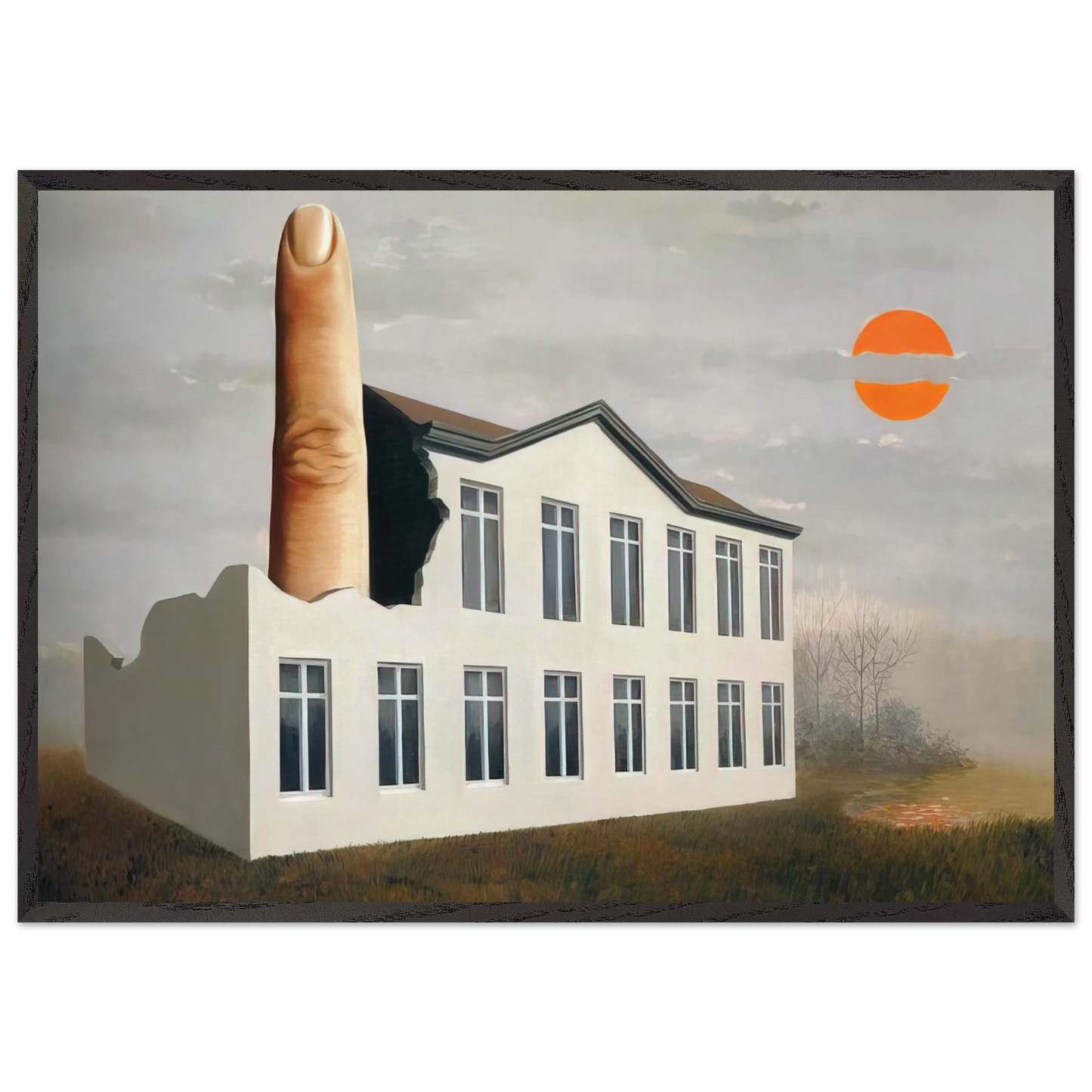
THE REVEALING OF THE PRESENT 1936 - Rene Magritte 70x100 cm / 28x40 inches Framed Art Print – Black Wooden Frame
THE REVEALING OF THE PRESENT 1936 - Rene Magritte 70x100 cm / 28x40 inches Framed Art Print – Black Wooden Frame
Couldn't load pickup availability
The Revealing of the Present (1936) by René Magritte – Framed Art Print
Immerse yourself in the surreal genius of René Magritte with this museum-quality framed art print of The Revealing of the Present (1936). This iconic work exemplifies Magritte's masterful exploration of reality, perception, and the enigmatic nature of everyday objects, inviting viewers into a world where the ordinary becomes profoundly mysterious. Created during a pivotal period in the Surrealist movement, the painting challenges conventional logic with its dreamlike juxtapositions, making it a timeless conversation piece for any discerning art lover.
RedKalion presents this archival-grade reproduction on premium 250 gsm (110 lb) matte, uncoated paper, ensuring vibrant color fidelity and a natural white finish that honors the original's subtle tones. The print is elegantly framed in a responsibly sourced black wooden frame made from oak and ash wood, measuring 20mm thick and wide for a substantial, gallery-worthy presence. Protected by shatterproof plexiglass, this ready-to-hang masterpiece includes a hanging kit for effortless display, allowing you to elevate your space with a piece that endures for generations.
- Artwork: The Revealing of the Present (1936) by René Magritte
- Dimensions: 70x100 cm / 28x40 inches (framed)
- Frame: Black wooden frame (oak and ash, 20mm thick/wide)
- Paper: 250 gsm archival museum-quality paper, matte finish
- Protection: Shatterproof plexiglass
- Sustainability: FSC-certified or equivalent materials
- Ready-to-Hang: Includes hanging kit
As a premier online gallery, RedKalion curates only the finest reproductions, combining art historical expertise with cutting-edge printing technology to deliver archival masterpieces that capture every detail of Magritte's visionary work. This framed art print is not just a decoration but a testament to the enduring power of surrealist art, perfect for collectors, designers, and anyone seeking to infuse their environment with intellectual depth and aesthetic sophistication.
Discover Unlimited Art Possibilities
At RedKalion, you can find virtually any artwork from any artist, available in a wide range of sizes to perfectly match your space.
If you didn’t find what you’re looking for, contact us at support@redkalion.com . We will source any artwork and produce it in any size and format you need, including art prints, posters, canvas, framed pieces, framed canvas, and more.
For dedicated art enthusiasts, we also offer handcrafted replicas of any artwork, carefully painted by highly skilled artists using traditional techniques.
For custom requests, contact us at support@redkalion.com .
What is the historical significance of The Revealing of the Present by René Magritte?
Painted in 1936, this work is a key example of Magritte's surrealist style, exploring themes of reality and perception through enigmatic imagery, reflecting his influence on 20th-century art and philosophy.
How does Magritte use everyday objects in this painting to create surreal effects?
Magritte juxtaposes ordinary items in unexpected contexts, challenging viewers' assumptions and evoking a dreamlike mood that blurs the line between the familiar and the mysterious.
What are the specifications of the paper used for this fine art print?
The print uses 250 gsm (110 lb) matte, uncoated archival museum-quality paper with a thickness of 0.29 mm (11.4 mils), ensuring durability and vibrant color reproduction for a premium art piece.
What materials are used in the black wooden frame for this framed art print?
The frame is made from responsibly sourced oak and ash wood, measuring 20mm (0.79") thick and wide, providing a sturdy and elegant gallery-style presentation for your Magritte reproduction.
How is this archival print protected and ready for display?
It features shatterproof plexiglass for protection and includes a hanging kit, making it ready-to-hang directly on your wall upon arrival for immediate enjoyment.
Is this reproduction made with sustainable materials?
Yes, it uses FSC-certified or equivalent sustainable paper and materials, aligning with eco-friendly practices for a responsible art purchase.
How long will this museum-quality print last without fading?
With archival-grade paper and inks, this print is designed to resist fading for decades, maintaining its quality as a long-lasting investment in fine art.