

RedKalion
The Station of the Cross - Fourth Station - Barnett Newman Brushed Aluminum Print - 70x100 cm / 28x40 inches | Barnett Newman Aluminum Print | Barnett Newman Prints
The Station of the Cross - Fourth Station - Barnett Newman Brushed Aluminum Print - 70x100 cm / 28x40 inches | Barnett Newman Aluminum Print | Barnett Newman Prints
Couldn't load pickup availability
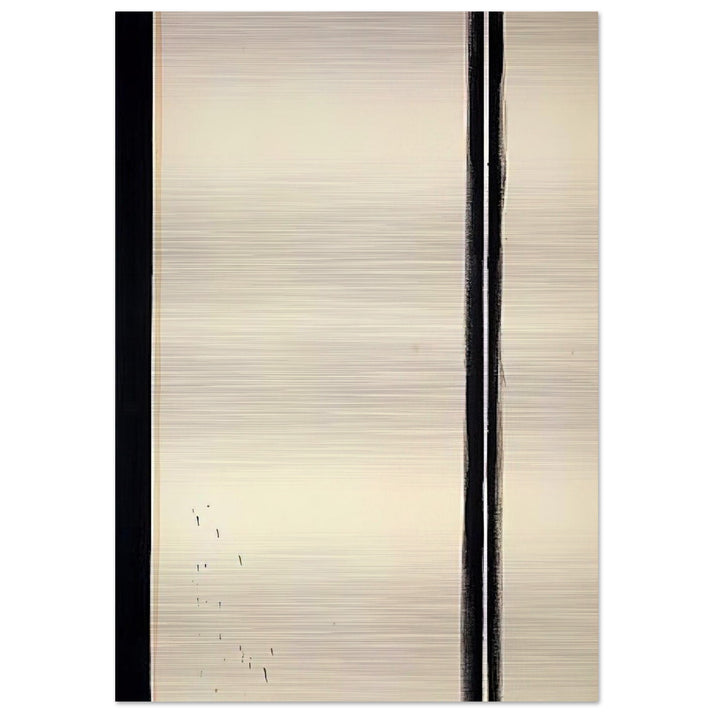
The Station of the Cross - Fourth Station by Barnett Newman
Experience the profound minimalism of Barnett Newman's The Station of the Cross - Fourth Station, now available as a museum-quality brushed aluminum print from RedKalion. This iconic work from Newman's seminal series explores themes of suffering and transcendence through stark, vertical "zips" that divide the canvas, creating a powerful, contemplative space. As a leading figure in Abstract Expressionism, Newman's use of color field painting and geometric abstraction invites deep reflection, making this piece a timeless addition to any modern interior.
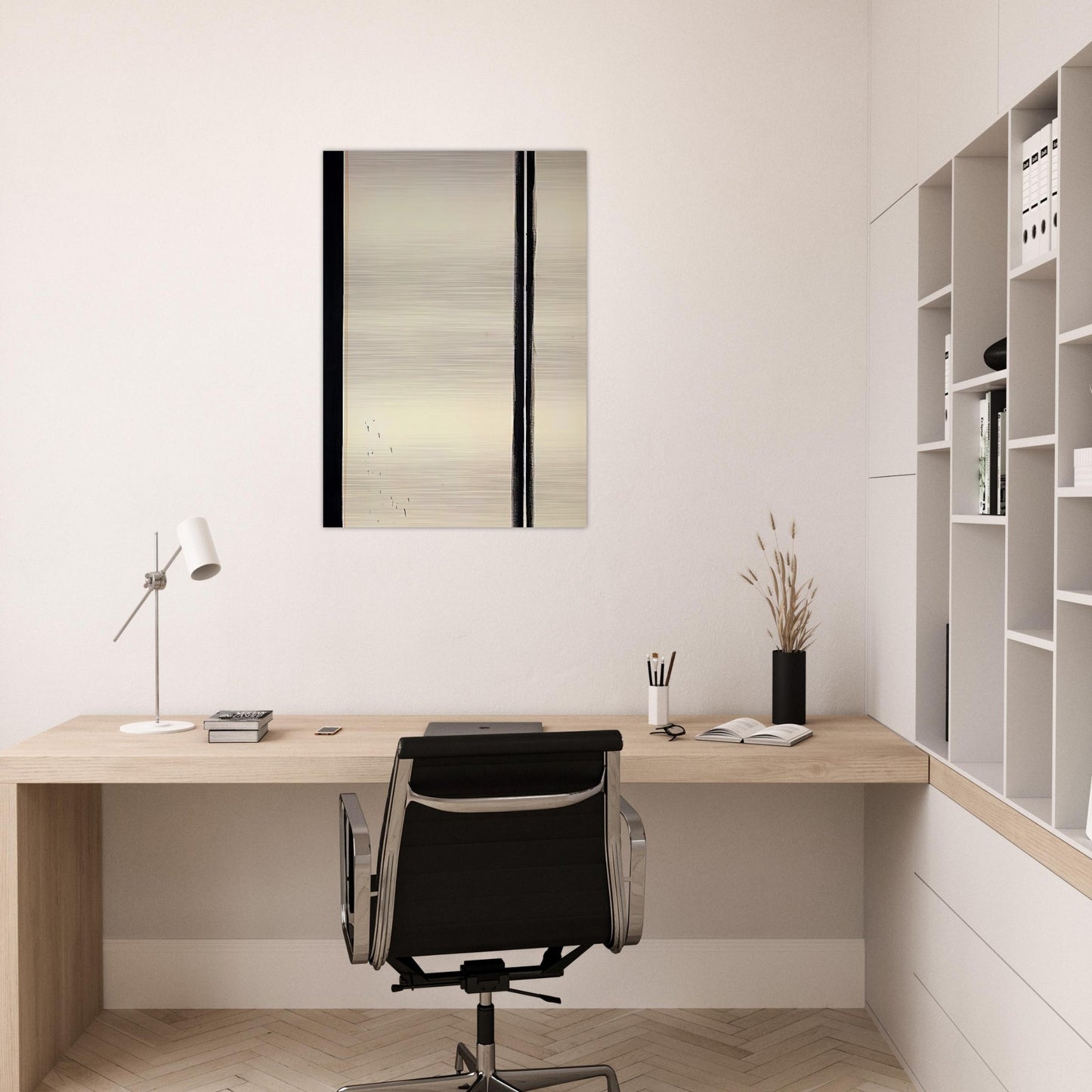
RedKalion's premium reproduction captures every nuance of Newman's original vision on a 3mm thick brushed silver Aluminum DIBOND® panel. The direct print technology ensures vivid, archival-grade colors with a matte, glare-free finish, while unprinted areas reveal a striking metallic silver effect through the horizontal grain. This 70x100 cm (28x40 inches) fine art print combines durability with aesthetic elegance, ready to elevate your home or office with its dynamic, contemporary look.
Each print includes a complete hanging kit for easy installation, reflecting our commitment to delivering world-class, archival-grade reproductions that endure. Trust RedKalion to bring this masterpiece into your space, where it will inspire and captivate for generations.


Discover Unlimited Art Possibilities
At RedKalion, you can find virtually any artwork from any artist, available in a wide range of sizes to perfectly match your space.
If you didn’t find what you’re looking for, contact us at support@redkalion.com . We will source any artwork and produce it in any size and format you need, including art prints, posters, canvas, framed pieces, framed canvas, and more.
For dedicated art enthusiasts, we also offer handcrafted replicas of any artwork, carefully painted by highly skilled artists using traditional techniques.
For custom requests, contact us at support@redkalion.com .
What are the dimensions and material of this Barnett Newman print?
This fine art print measures 70x100 cm (28x40 inches) and is crafted on a 3mm thick brushed silver Aluminum DIBOND® panel with a metallic finish and horizontal grain for a dynamic, museum-quality look.
How is the print applied to the aluminum surface?
It features direct printing on AluDibond for vivid colors and a matte finish, with unprinted white areas revealing a striking metallic silver effect, ideal for black-and-white designs.
Yes, a complete hanging kit is included for easy installation; specifics may vary by fulfillment country to ensure secure mounting.
What makes this print archival and durable?
The 3mm thick Aluminum DIBOND® base provides a rigid, durable structure, while archival-grade printing ensures long-lasting color vibrancy and resistance to fading.
How does the finish enhance the artwork's appearance?
The matte, glare-free finish minimizes reflections and highlights the brushed silver effect, making it perfect for displaying Barnett Newman's abstract expressionist work.
What is the historical significance of The Station of the Cross series?
Created in the 1950s-60s, this series by Barnett Newman explores themes of suffering and spirituality through minimalist "zips," reflecting his role in pioneering Abstract Expressionism and color field painting.
Why did Barnett Newman use such stark geometric forms in this work?
Newman employed vertical "zips" to create a sense of division and contemplation, aiming to evoke emotional depth and transcendence through simplified, abstract elements in his art.