

RedKalion
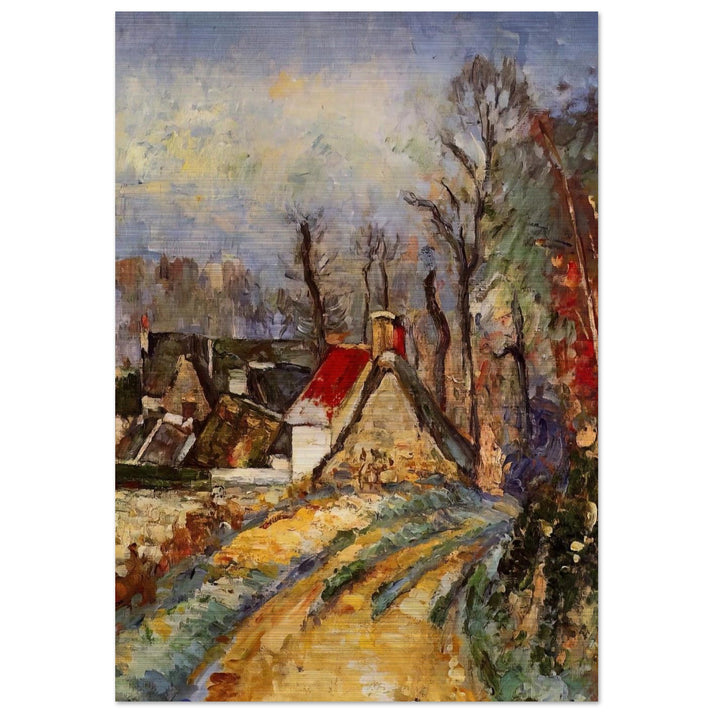
The Turn in the Road at Auvers - Paul Cézanne Brushed Aluminum Print - 70x100 cm / 28x40 inches | Paul Cézanne Aluminum Print | Paul Cézanne Prints
The Turn in the Road at Auvers - Paul Cézanne Brushed Aluminum Print - 70x100 cm / 28x40 inches | Paul Cézanne Aluminum Print | Paul Cézanne Prints
Couldn't load pickup availability
The Turn in the Road at Auvers - Paul Cézanne Brushed Aluminum Print
Elevate your space with this museum-quality reproduction of Paul Cézanne's The Turn in the Road at Auvers, a masterpiece of Post-Impressionist art. This fine art print captures the serene, geometric beauty of the French countryside, showcasing Cézanne's revolutionary approach to form and color. As a pioneer of modern art, Cézanne's work in Auvers-sur-Oise reflects his exploration of structure and light, making this piece a timeless addition to any collection.
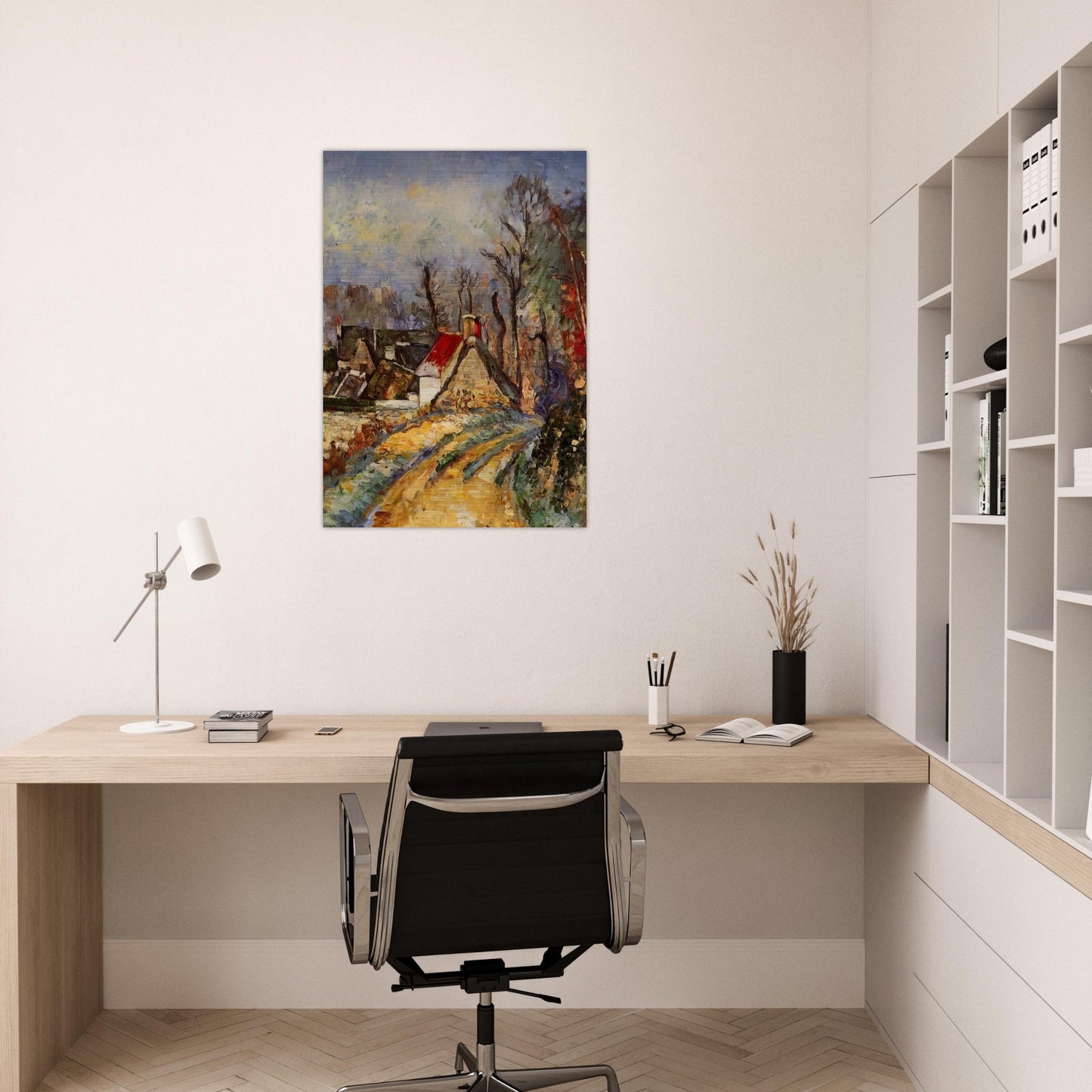
RedKalion presents this archival-grade print on premium brushed silver Aluminum DIBOND®, measuring 70x100 cm (28x40 inches). The 3mm (0.12") thickness ensures a durable, rigid base, while the direct print on AluDibond delivers vivid colors and a matte finish. Unprinted white areas reveal a striking metallic silver effect, enhancing the artwork's dynamic look with a horizontal grain. This glare-free finish is ideal for showcasing the intricate details of Cézanne's brushwork, offering a sophisticated, modern display.
Expertly crafted for longevity, this Paul Cézanne aluminum print includes a hanging kit for easy installation. Trust RedKalion for world-class reproductions that blend art history with premium materials, transforming your home or office into a gallery of enduring beauty.


Discover Unlimited Art Possibilities
At RedKalion, you can find virtually any artwork from any artist, available in a wide range of sizes to perfectly match your space.
If you didn’t find what you’re looking for, contact us at support@redkalion.com . We will source any artwork and produce it in any size and format you need, including art prints, posters, canvas, framed pieces, framed canvas, and more.
For dedicated art enthusiasts, we also offer handcrafted replicas of any artwork, carefully painted by highly skilled artists using traditional techniques.
For custom requests, contact us at support@redkalion.com .
What are the specifications of this Paul Cézanne aluminum print?
This fine art print measures 70x100 cm (28x40 inches), made from 3mm thick brushed silver Aluminum DIBOND® with a direct print for vivid colors and a matte finish, featuring a metallic silver effect in unprinted areas.
How does the brushed aluminum enhance The Turn in the Road at Auvers?
The brushed silver finish with horizontal grain adds a dynamic, modern look to Cézanne's Post-Impressionist masterpiece, highlighting its geometric forms and serene mood with a glare-free, archival-quality display.
Is a hanging kit included with this museum-quality reproduction?
Yes, a hanging kit is included for easy installation; specific components may vary by fulfillment country to ensure secure mounting.
What makes this print archival and durable?
Printed directly on 3mm Aluminum DIBOND®, it resists fading and damage, offering a long-lasting, rigid base ideal for preserving Cézanne's artwork as a premium fine art print.
How does RedKalion ensure shipping safety for this aluminum print?
We use protective packaging and reliable carriers to deliver your Paul Cézanne print securely, with tracking provided for peace of mind.
What is the historical significance of The Turn in the Road at Auvers?
Painted in Auvers-sur-Oise, this work exemplifies Cézanne's Post-Impressionist style, focusing on geometric structure and natural light, influencing modern art movements.
How did Cézanne's technique differ in this artwork?
Cézanne used layered brushstrokes and a subdued palette to create depth and form, emphasizing the road's turn as a central compositional element in the landscape.