RedKalion
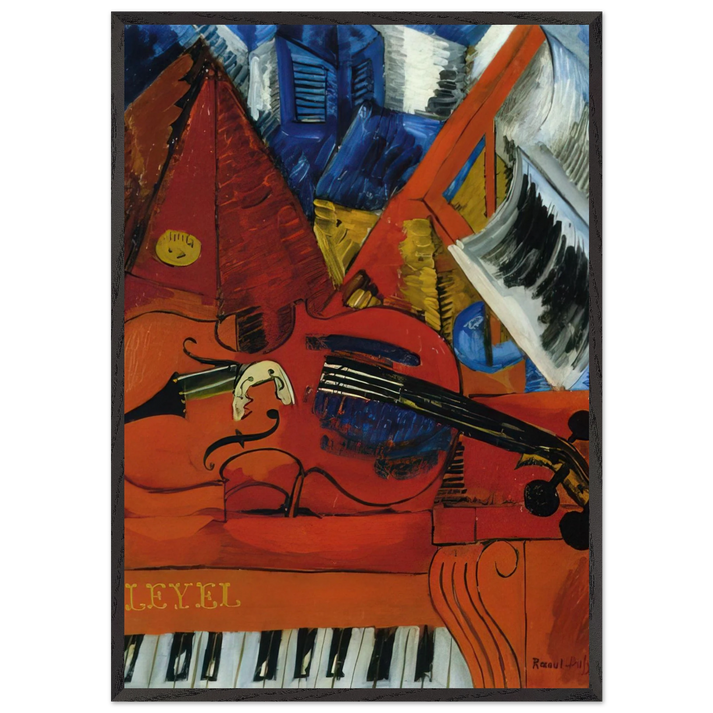
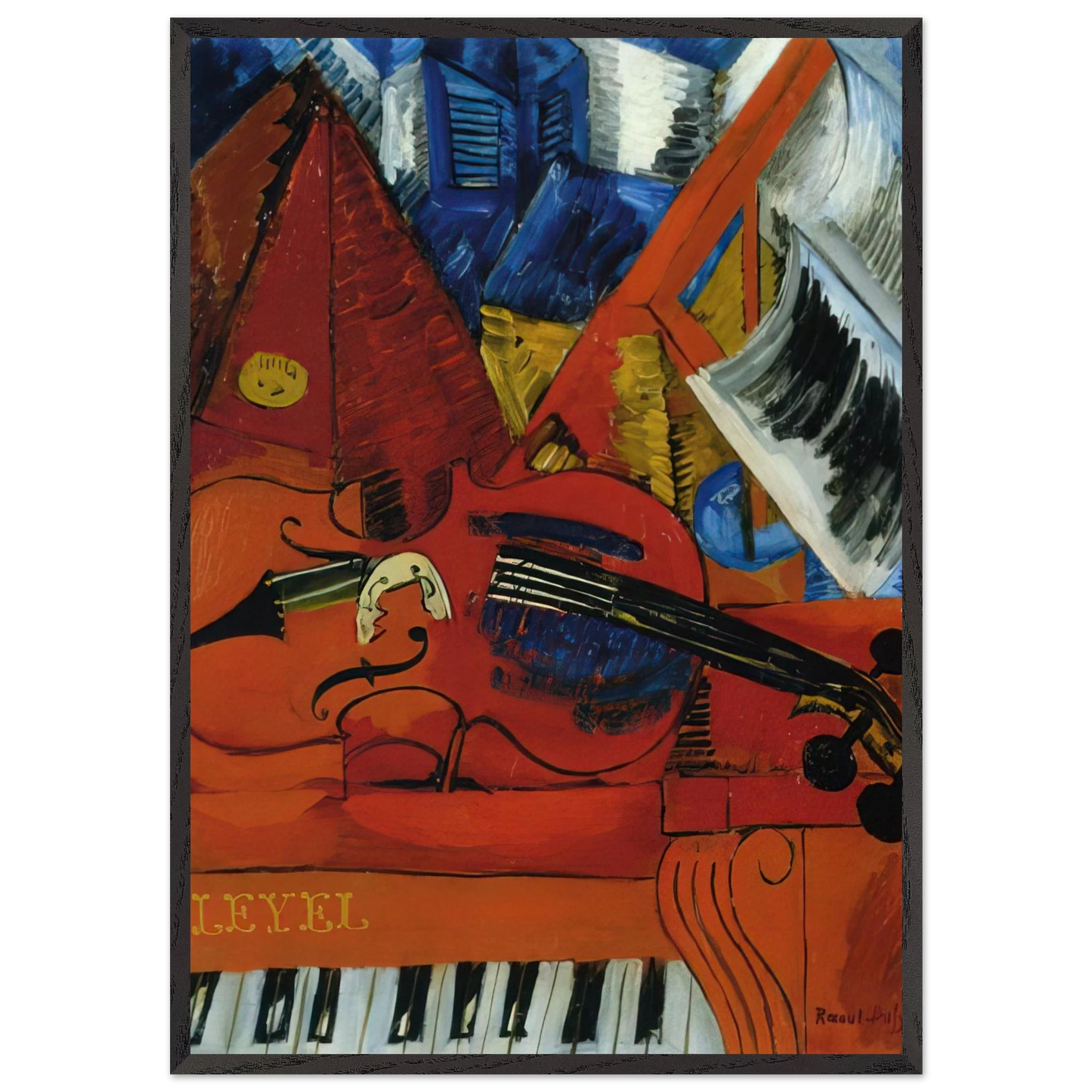
THE VIOLIN 1916 N1 - Raoul Dufy 70x100 cm / 28x40 inches Framed Art Print – Black Wooden Frame
THE VIOLIN 1916 N1 - Raoul Dufy 70x100 cm / 28x40 inches Framed Art Print – Black Wooden Frame
Couldn't load pickup availability
The Violin 1916 N1 by Raoul Dufy: A Masterpiece of Fauvist Elegance
Immerse yourself in the vibrant world of Raoul Dufy with this museum-quality framed art print of The Violin 1916 N1. Created during the height of the Fauvist movement, this 1916 masterpiece showcases Dufy's signature use of bold, expressive colors and fluid lines to capture the dynamic essence of music and form. The artwork, measuring 70x100 cm (28x40 inches), is a testament to Dufy's innovative approach to modern art, blending abstraction with a joyful, rhythmic composition that evokes a sense of creative freedom and artistic brilliance.
At RedKalion, we are committed to preserving the integrity of iconic works like this fine art print. Our archival reproduction is printed on premium 250 gsm (110 lb) matte, uncoated, natural white paper, ensuring exceptional detail and color fidelity that mirrors the original's vibrancy. The print is protected by shatterproof plexiglass and elegantly framed in a responsibly sourced black wooden frame made from oak and ash wood, with a substantial 20mm (0.79") thickness for a modern, gallery-worthy presentation. This ready-to-hang piece includes a hanging kit, allowing you to elevate your space with a timeless addition that celebrates art history and enduring quality.
- Artwork Details: The Violin 1916 N1 by Raoul Dufy, 70x100 cm / 28x40 inches, Fauvist style.
- Frame Specifications: Black wooden frame (oak and ash wood), 20mm thick, wider than classic frames for enhanced presence.
- Paper Quality: 250 gsm (110 lb) matte, uncoated, archival museum-quality paper with a thickness of 0.29 mm (11.4 mils).
- Protection & Sustainability: Shatterproof plexiglass and FSC-certified materials for eco-conscious durability.
- Ready-to-Hang: Includes hanging kit for immediate wall display.
Elevate your home or office with this archival masterpiece from RedKalion, where expertise in art history meets premium craftsmanship in every reproduction.
Discover Unlimited Art Possibilities
At RedKalion, you can find virtually any artwork from any artist, available in a wide range of sizes to perfectly match your space.
If you didn’t find what you’re looking for, contact us at support@redkalion.com . We will source any artwork and produce it in any size and format you need, including art prints, posters, canvas, framed pieces, framed canvas, and more.
For dedicated art enthusiasts, we also offer handcrafted replicas of any artwork, carefully painted by highly skilled artists using traditional techniques.
For custom requests, contact us at support@redkalion.com .
What are the dimensions and details of The Violin 1916 N1 art print?
This fine art print measures 70x100 cm (28x40 inches) and features Raoul Dufy's Fauvist masterpiece from 1916, reproduced on archival museum-quality paper for vibrant color and detail.
What type of paper is used for this museum-quality reproduction?
We use 250 gsm (110 lb) matte, uncoated, natural white paper with a thickness of 0.29 mm (11.4 mils), ideal for fine art prints and ensuring long-lasting archival quality.
How is the framed art print shipped and ready for display?
This ready-to-hang print includes a hanging kit and is securely packaged for safe delivery, allowing you to mount it directly on your wall upon arrival.
What materials are used in the black wooden frame?
The frame is made from responsibly sourced oak and ash wood, with a substantial 20mm (0.79") thickness for a durable and elegant gallery-style presentation.
How does the shatterproof plexiglass protect the print?
Shatterproof plexiglass provides clear, durable protection against damage, ensuring your archival art print remains pristine and safe over time.
What is the historical significance of The Violin 1916 N1 by Raoul Dufy?
Created in 1916, this work exemplifies Dufy's Fauvist style, using bold colors and fluid lines to express musical themes, reflecting early 20th-century artistic innovation.
How does Dufy's technique in this artwork reflect the Fauvist movement?
Dufy employs vibrant, non-naturalistic colors and dynamic brushstrokes, characteristic of Fauvism, to convey emotion and rhythm, breaking from traditional realism.