RedKalion
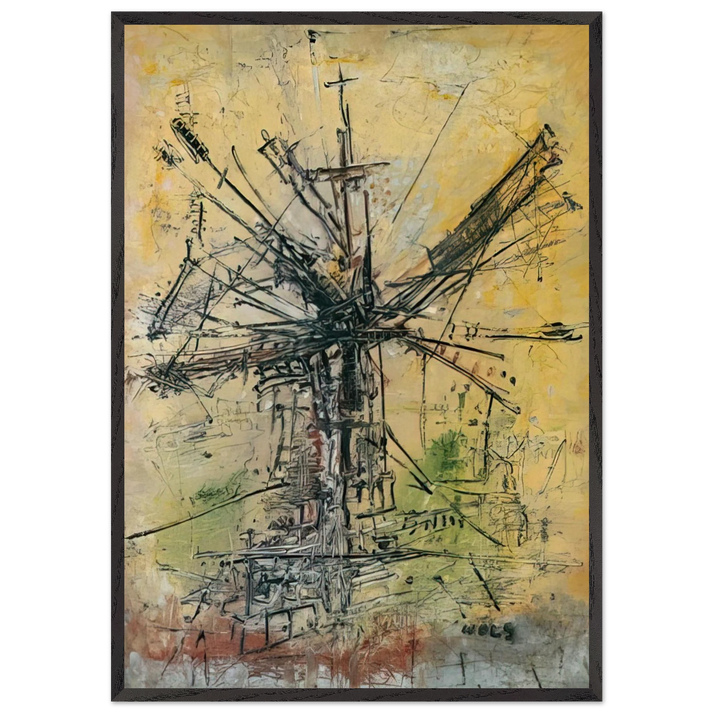
The Windmill - 1951 - Wols 70x100 cm / 28x40 inches Framed Art Print – Black Wooden Frame
The Windmill - 1951 - Wols 70x100 cm / 28x40 inches Framed Art Print – Black Wooden Frame
Couldn't load pickup availability
The Windmill - 1951 by Wols: A Tachiste Masterpiece
Experience the raw, expressive power of post-war European art with this museum-quality framed art print of Wols' "The Windmill" (1951). This iconic work, created during the height of the Tachisme movement, captures a dynamic interplay of abstract forms and emotional intensity, evoking a sense of turbulent energy and poetic abstraction. Wols, a pioneering figure in Art Informel, employed spontaneous brushstrokes and gestural techniques to explore themes of existential angst and renewal, making this piece a profound statement of mid-20th-century avant-garde art.
RedKalion presents this archival reproduction on premium 250 gsm (110 lb) matte, uncoated, natural white paper, ensuring exceptional color fidelity and texture that honors the original's nuanced details. Each print is meticulously framed in a responsibly sourced black wooden frame crafted from oak and ash wood, featuring a substantial 20mm (0.79") thickness for a bold, gallery-worthy presence. Protected by shatterproof plexiglass, this ready-to-hang artwork arrives with a hanging kit, allowing you to elevate your space with a timeless masterpiece that endures.
Ideal for collectors and design enthusiasts, this fine art print combines historical significance with sustainable craftsmanship, using FSC-certified materials to deliver an eco-conscious addition to any interior. Discover the legacy of Wols and transform your environment with a piece that speaks to the soul of modern art.

Discover Unlimited Art Possibilities
At RedKalion, you can find virtually any artwork from any artist, available in a wide range of sizes to perfectly match your space.
If you didn’t find what you’re looking for, contact us at support@redkalion.com . We will source any artwork and produce it in any size and format you need, including art prints, posters, canvas, framed pieces, framed canvas, and more.
For dedicated art enthusiasts, we also offer handcrafted replicas of any artwork, carefully painted by highly skilled artists using traditional techniques.
For custom requests, contact us at support@redkalion.com .
What are the dimensions of this framed art print?
This framed art print measures 70x100 cm (28x40 inches), including the black wooden frame, which is 20mm (0.79") thick and wide for a premium gallery look.
What type of paper is used for this museum-quality reproduction?
We use 250 gsm (110 lb) matte, uncoated, natural white archival paper, 0.29 mm (11.4 mils) thick, ideal for fine art prints to ensure longevity and vibrant color reproduction.
Is this framed print ready to hang?
Yes, this ready-to-hang art print includes a hanging kit, so you can display it directly on your wall upon arrival without additional setup.
How durable is the framing and protection?
The frame is made from responsibly sourced oak and ash wood, and the print is protected by shatterproof plexiglass, offering both aesthetic appeal and long-term durability for your fine art investment.
Is the paper sustainable and archival?
Yes, we use FSC-certified materials or equivalent for sustainable paper, ensuring this archival museum-quality print resists fading and degradation over time.
Who is Wols and what is the significance of "The Windmill" (1951)?
Wols was a key figure in the Tachisme movement, a European abstract art style post-WWII. "The Windmill" reflects his gestural, emotional techniques, symbolizing existential themes and artistic innovation in 1950s avant-garde.
What artistic techniques did Wols use in this piece?
Wols employed spontaneous brushstrokes and abstract forms in Tachisme, creating dynamic textures and emotional depth in "The Windmill," showcasing his mastery of non-representational expression.