RedKalion
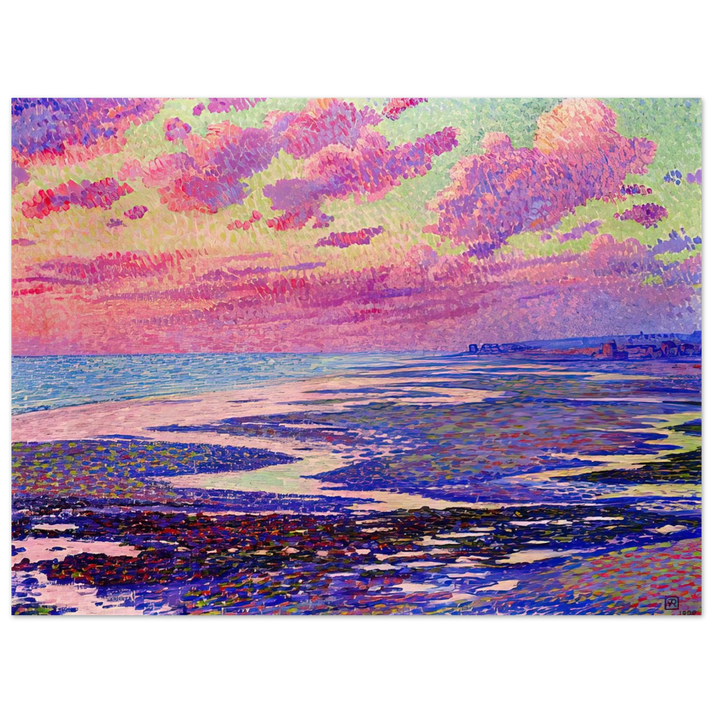
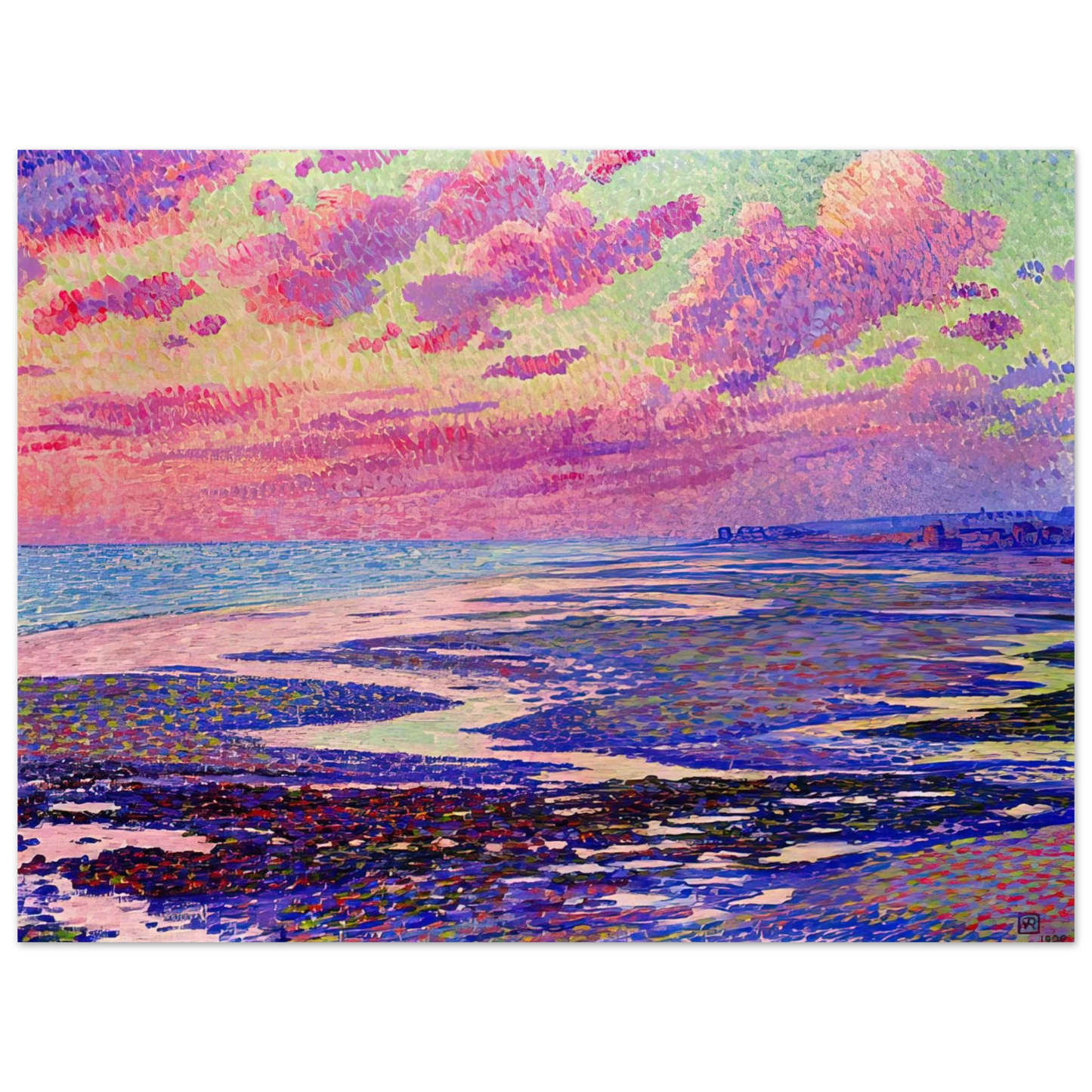
Theo van Rysselberghe - THE BEACH AT AMBLETEUSE AT LOW TIDE 1900 75x100 cm / 30x40inches Fine Art Poster
Theo van Rysselberghe - THE BEACH AT AMBLETEUSE AT LOW TIDE 1900 75x100 cm / 30x40inches Fine Art Poster
Couldn't load pickup availability
Theo van Rysselberghe - The Beach at Ambleteuse at Low Tide (1900)
Immerse yourself in the luminous tranquility of the Belgian coast with this museum-quality fine art print of Theo van Rysselberghe's masterpiece, The Beach at Ambleteuse at Low Tide. Created in 1900, this work exemplifies the Neo-Impressionist movement, where van Rysselberghe masterfully applied pointillist techniques to capture the shimmering light and serene atmosphere of low tide. The composition, measuring 75x100 cm (30x40 inches), invites viewers into a moment of peaceful reflection, with its delicate interplay of color and form evoking a sense of timeless calm.
RedKalion presents this archival reproduction on our exclusive Master's Edition archival paper, ensuring every detail of van Rysselberghe's meticulous brushwork is preserved. The matte, uncoated finish in a natural white hue enhances the artwork's texture and depth, while the acid-free (pH above 7) composition guarantees it resists yellowing for generations. Crafted from FSC-certified paper with a weight of 250 gsm (110 lb) and thickness of 0.29 mm (11.4 mils), this print offers a luxurious, durable feel that mirrors the quality of original museum pieces.
Elevate your space with an archival masterpiece that endures, printed and shipped on demand with no minimum orders. RedKalion is your trusted curator for premium reproductions that blend art historical significance with uncompromising material excellence.
Discover Unlimited Art Possibilities
At RedKalion, you can find virtually any artwork from any artist, available in a wide range of sizes to perfectly match your space.
If you didn’t find what you’re looking for, contact us at support@redkalion.com . We will source any artwork and produce it in any size and format you need, including art prints, posters, canvas, framed pieces, framed canvas, and more.
For dedicated art enthusiasts, we also offer handcrafted replicas of any artwork, carefully painted by highly skilled artists using traditional techniques.
For custom requests, contact us at support@redkalion.com .
What are the dimensions of this Theo van Rysselberghe fine art print?
This museum-quality reproduction measures 75x100 cm (30x40 inches), perfectly capturing the original scale of van Rysselberghe's Neo-Impressionist masterpiece for your home or office decor.
What type of paper is used for this archival print?
We use Master's Edition archival paper, a museum-quality, acid-free material with a matte finish and natural white color to ensure longevity and vibrant color reproduction in this pointillist artwork.
How is this fine art poster shipped and delivered?
Printed and shipped on demand with no minimum orders, your order is carefully packaged to protect this premium reproduction during transit, ensuring it arrives ready for framing.
Will this print yellow or fade over time?
No, the acid-free (pH above 7) paper prevents yellowing, and our archival-quality inks resist fading, making this a durable investment for long-term display of van Rysselberghe's coastal scene.
What is the weight and thickness of the paper?
The paper is 250 gsm (110 lb) with a thickness of 0.29 mm (11.4 mils), providing a substantial, luxurious feel that enhances the texture of this Neo-Impressionist reproduction.
What artistic technique did Theo van Rysselberghe use in this painting?
Van Rysselberghe employed pointillism, a Neo-Impressionist technique using small dots of pure color to create luminous effects, as seen in the shimmering light of this low-tide beach scene from 1900.
Where is Ambleteuse, and why did van Rysselberghe paint it?
Ambleteuse is a coastal village in northern France; van Rysselberghe was drawn to its serene beaches to explore light and atmosphere, reflecting the Belgian artist's fascination with maritime landscapes in his later works.