RedKalion
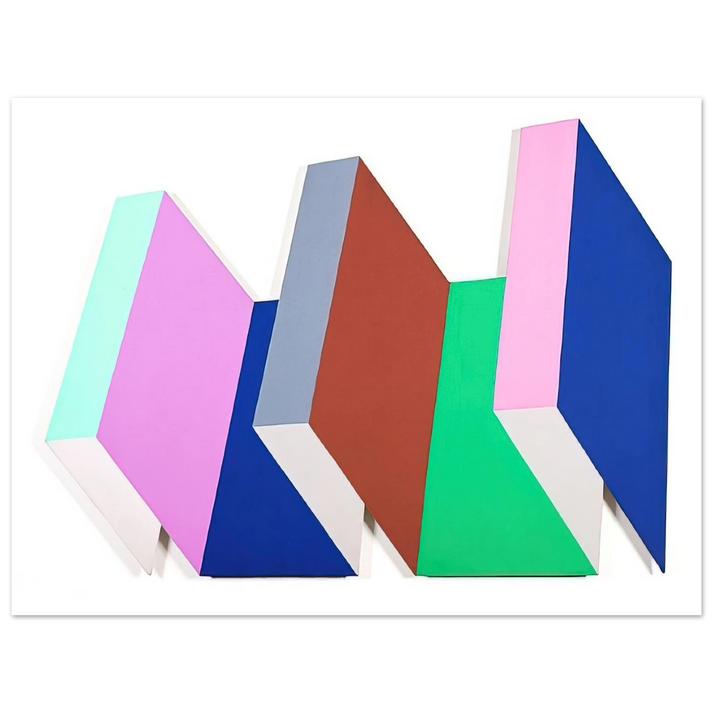
Thomas Downing - Fold One - 1968 75x100 cm / 30x40inches Fine Art Poster
Thomas Downing - Fold One - 1968 75x100 cm / 30x40inches Fine Art Poster
Couldn't load pickup availability
Thomas Downing - Fold One (1968) | Museum-Quality Fine Art Print
Immerse yourself in the vibrant, geometric precision of Thomas Downing's "Fold One", a seminal 1968 work from the Washington Color School. This fine art print captures the artist's signature dot patterns and bold color interactions, evoking a sense of rhythmic energy and optical depth that transforms any space into a gallery of modern abstraction.
Downing, a key figure in the Color Field movement, pioneered hard-edge painting techniques that explored perception through systematic arrangements. "Fold One" exemplifies his mastery of acrylic paints and meticulous composition, creating a dynamic visual experience that feels both structured and fluid.
RedKalion presents this museum-quality reproduction on our exclusive Master's Edition archival paper. The matte, uncoated finish in a natural white hue enhances the artwork's texture and color fidelity, while the acid-free (pH above 7), FSC-certified paper ensures archival longevity without yellowing. At 250 gsm (110 lb) and 0.29 mm thickness, this premium print offers a luxurious, durable presence.
Elevate your home or office with an archival masterpiece that endures. Printed and shipped on demand with no minimum orders, this 75x100 cm (30x40 inches) fine art poster arrives ready to frame, bringing a touch of 1960s avant-garde brilliance to your collection.
Discover Unlimited Art Possibilities
At RedKalion, you can find virtually any artwork from any artist, available in a wide range of sizes to perfectly match your space.
If you didn’t find what you’re looking for, contact us at support@redkalion.com . We will source any artwork and produce it in any size and format you need, including art prints, posters, canvas, framed pieces, framed canvas, and more.
For dedicated art enthusiasts, we also offer handcrafted replicas of any artwork, carefully painted by highly skilled artists using traditional techniques.
For custom requests, contact us at support@redkalion.com .
What are the dimensions of this Thomas Downing fine art print?
This museum-quality reproduction measures 75x100 cm (30x40 inches), perfect for standard framing and creating a bold statement in any room.
What type of paper is used for this archival print?
It's printed on Master's Edition archival paper with a matte, uncoated finish in natural white, offering a luxurious texture and acid-free longevity to prevent yellowing.
How durable and sustainable is this fine art poster?
The paper is 250 gsm (110 lb) thick, FSC-certified for sustainability, and acid-free (pH above 7) to ensure archival quality and resistance to fading over decades.
How is this print shipped and are there minimum orders?
We print and ship on demand with no minimum orders, ensuring each Thomas Downing reproduction is freshly crafted and carefully packaged for delivery.
What is the historical significance of "Fold One" by Thomas Downing?
Created in 1968, "Fold One" is a key work from the Washington Color School, showcasing Downing's hard-edge geometric abstraction and influence on Color Field painting techniques.
What artistic techniques did Thomas Downing use in this piece?
Downing employed acrylic paints in systematic dot patterns to explore optical effects and color interactions, reflecting his meticulous approach to hard-edge abstraction.
How does the matte finish enhance this museum-quality reproduction?
The matte, uncoated finish reduces glare, highlights the artwork's texture, and provides a natural white background that optimizes color vibrancy for a gallery-like display.