RedKalion
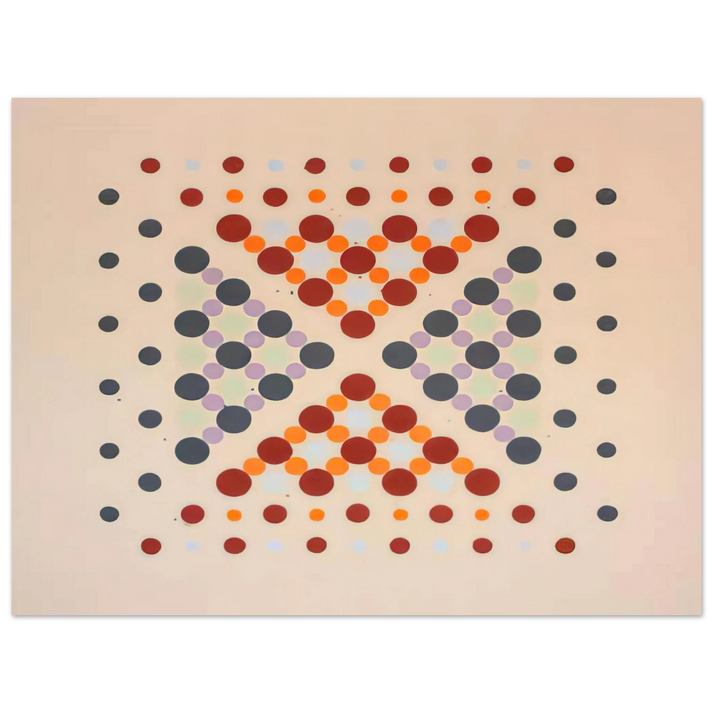
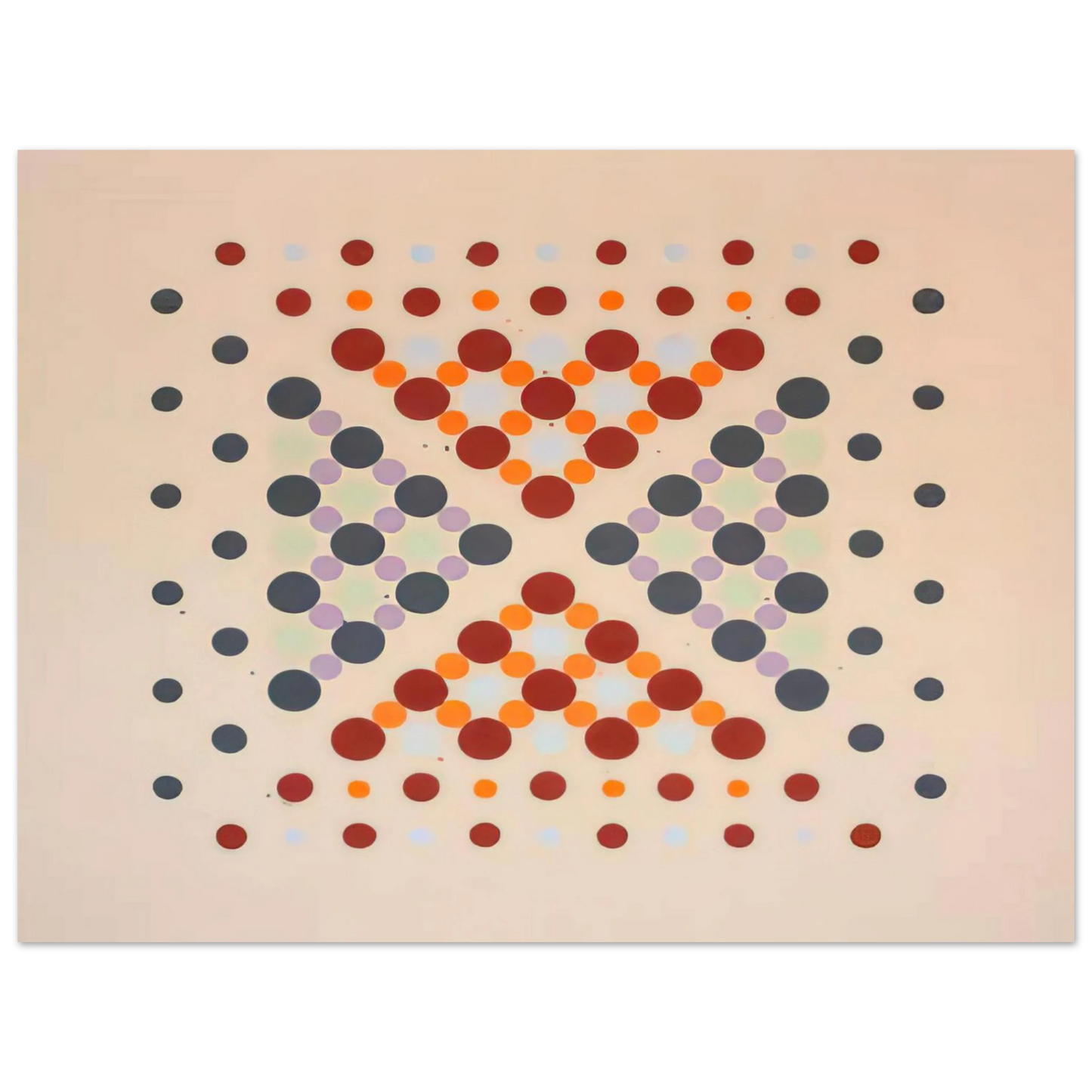
Thomas Downing - Untitled - 1962 75x100 cm / 30x40inches Fine Art Poster
Thomas Downing - Untitled - 1962 75x100 cm / 30x40inches Fine Art Poster
Couldn't load pickup availability
Thomas Downing - Untitled - 1962: A Masterpiece of Color Field Abstraction
Immerse yourself in the vibrant, geometric precision of Thomas Downing's Untitled - 1962, a seminal work from the Washington Color School. This fine art print captures the artist's revolutionary use of bold, saturated circles arranged in a rhythmic grid, evoking a sense of optical vibration and meditative harmony. Downing's technique, which involved meticulously hand-painting dots to explore color interaction and perception, marks a pivotal moment in post-war American abstraction. RedKalion presents this museum-quality reproduction on our exclusive Master's Edition archival paper, ensuring every hue and detail is preserved with gallery-worthy fidelity.
Our 75x100 cm / 30x40 inches fine art poster is crafted to elevate any interior with timeless sophistication. Printed on 250 gsm (110 lb) FSC-certified paper with a 0.29 mm (11.4 mils) thickness, it features a matte, uncoated finish in natural white (off-white) for a luxurious texture that enhances visual depth. The acid-free composition (pH above 7) guarantees archival longevity, preventing yellowing and ensuring this piece endures as a cherished heirloom. As a trusted curator of world-class reproductions, RedKalion delivers this print on demand, with no minimum orders, allowing you to acquire an authentic piece of art history effortlessly.
Elevate your space with an archival masterpiece that bridges mid-century innovation and contemporary elegance, perfect for collectors and design enthusiasts seeking a statement piece.
Discover Unlimited Art Possibilities
At RedKalion, you can find virtually any artwork from any artist, available in a wide range of sizes to perfectly match your space.
If you didn’t find what you’re looking for, contact us at support@redkalion.com . We will source any artwork and produce it in any size and format you need, including art prints, posters, canvas, framed pieces, framed canvas, and more.
For dedicated art enthusiasts, we also offer handcrafted replicas of any artwork, carefully painted by highly skilled artists using traditional techniques.
For custom requests, contact us at support@redkalion.com .
What are the dimensions of this Thomas Downing fine art print?
This museum-quality reproduction measures 75x100 cm (30x40 inches), ideal for creating a focal point in any room with its bold geometric design.
What type of paper is used for this archival art print?
It's printed on Master's Edition archival paper, a 250 gsm (110 lb) FSC-certified sheet with a matte, uncoated finish in natural white for premium texture and durability.
How does the acid-free paper ensure longevity for this color field art print?
The acid-free composition (pH above 7) prevents yellowing over time, preserving the vibrant hues of Downing's 1962 abstraction as a lasting investment.
What is the shipping and fulfillment process for this on-demand print?
We print and ship on demand with no minimum orders, ensuring fast delivery of your custom fine art poster directly to your doorstep.
Can I trust the color accuracy of this Thomas Downing reproduction?
Yes, our museum-quality printing process captures every detail of the original 1962 artwork, using archival inks for true-to-life color fidelity.
What artistic movement is Thomas Downing associated with?
Thomas Downing was a key figure in the Washington Color School, a 1960s movement focused on color field painting and geometric abstraction.
Why are the circles in this Untitled 1962 piece significant?
The arranged circles explore optical effects and color interaction, reflecting Downing's innovative technique in post-war American art.