

RedKalion
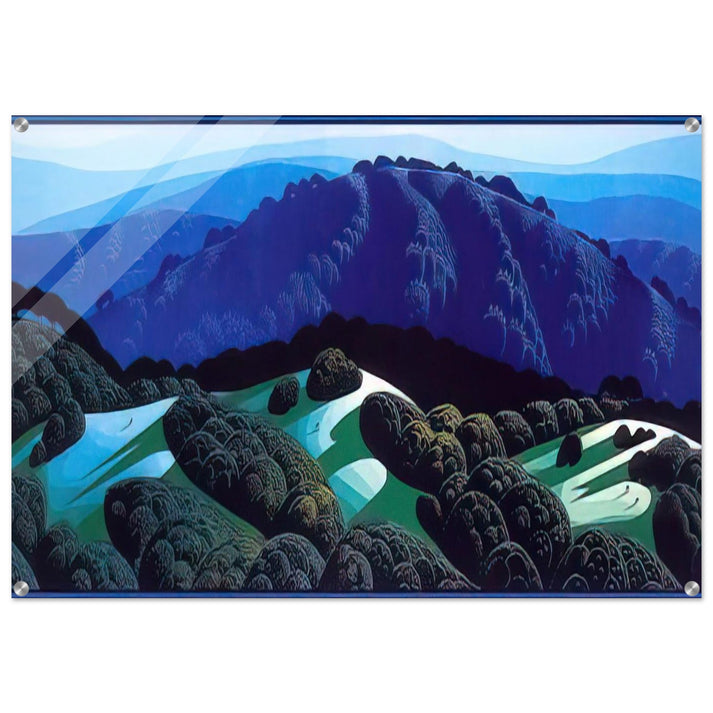
Three Fields and a Mountain - Eyvind Earle Acrylic Print - 70x100 cm / 28x40″ inches
Three Fields and a Mountain - Eyvind Earle Acrylic Print - 70x100 cm / 28x40″ inches
Couldn't load pickup availability
Three Fields and a Mountain - Eyvind Earle Acrylic Print
Immerse yourself in the serene, geometric beauty of Eyvind Earle's masterpiece, Three Fields and a Mountain. This museum-quality reproduction captures the artist's iconic style, where stylized landscapes meet a dreamlike, modernist aesthetic. Earle, renowned for his work on Disney classics like Sleeping Beauty, infused this piece with a rhythmic harmony of color and form, evoking a timeless, tranquil mood perfect for elevating any contemporary space.
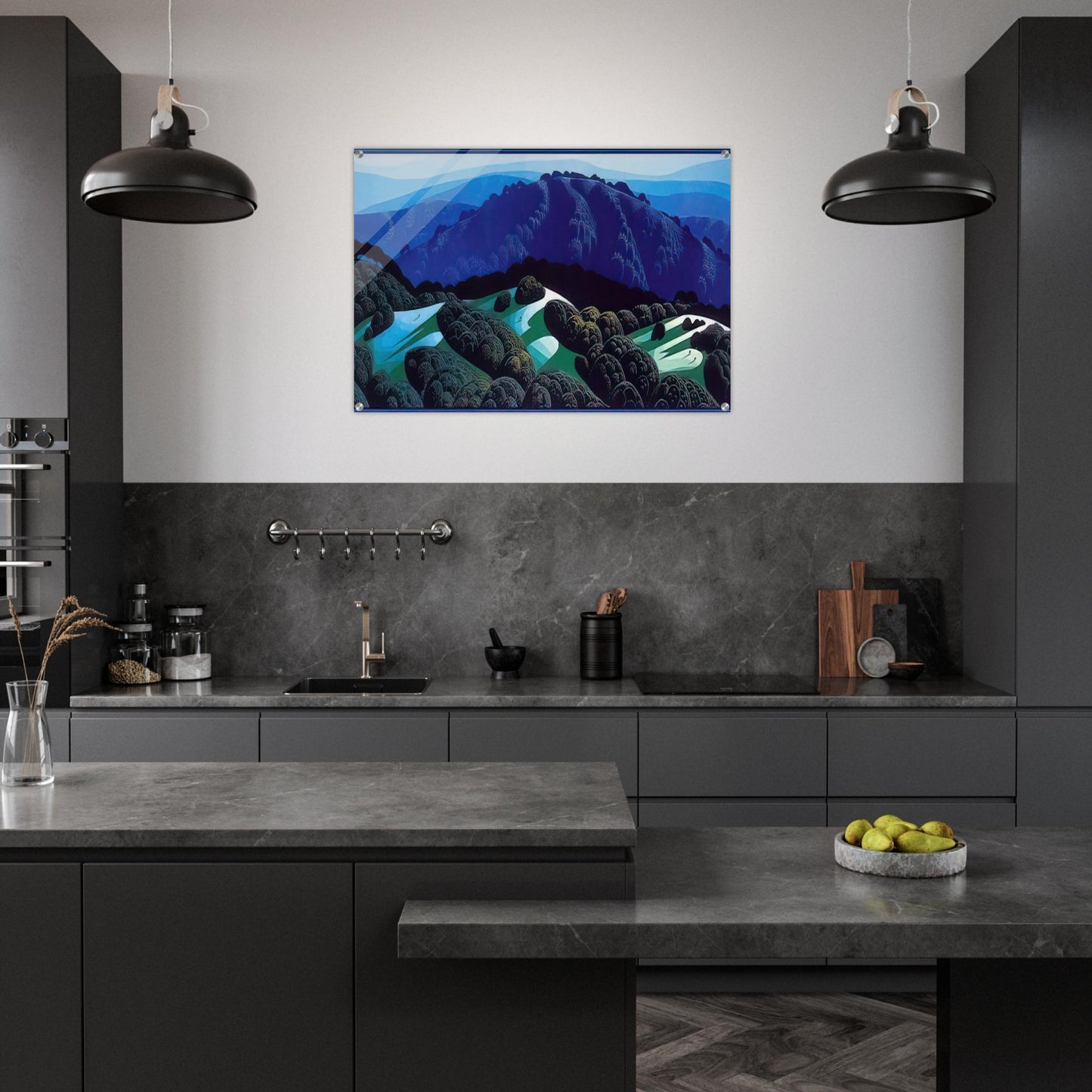
RedKalion presents this archival-grade fine art print on premium 4mm (0.15") acrylic, ensuring vibrant colors and a sleek, durable finish that resists fading. The straight-cut corners and modern design, with transparent backgrounds rendered in white for optimal clarity, make it a sophisticated addition to your home or office. Each print includes a complete hanging kit with hardware, screws, and pre-drilled holes (14mm from the edge, 8mm diameter) for effortless installation.
Available in a 70x100 cm / 28x40" inches format, this piece is crafted to endure, offering a glimpse into mid-20th century American art with the authority of a trusted curator. Elevate your decor with a reproduction that honors Earle's legacy and RedKalion's commitment to excellence.


Discover Unlimited Art Possibilities
At RedKalion, you can find virtually any artwork from any artist, available in a wide range of sizes to perfectly match your space.
If you didn’t find what you’re looking for, contact us at support@redkalion.com . We will source any artwork and produce it in any size and format you need, including art prints, posters, canvas, framed pieces, framed canvas, and more.
For dedicated art enthusiasts, we also offer handcrafted replicas of any artwork, carefully painted by highly skilled artists using traditional techniques.
For custom requests, contact us at support@redkalion.com .
What are the dimensions and material of this Eyvind Earle acrylic print?
This fine art print measures 70x100 cm (28x40 inches) and is made with 4mm (0.15") premium acrylic for a vibrant, durable, and museum-quality finish.
How is the acrylic print designed for hanging?
It includes a full hanging kit with hardware, screws, and pre-drilled holes (14mm from the edge, 8mm diameter) at each corner for easy, secure installation.
What is the significance of Eyvind Earle's Three Fields and a Mountain?
This piece showcases Earle's unique modernist style, blending geometric landscapes with serene colors, influenced by his work on Disney animations like Sleeping Beauty.
How does RedKalion ensure the print quality and longevity?
We use archival-grade materials and precise reproduction techniques to create a museum-quality acrylic print that resists fading and maintains vibrant colors.
What is the shipping and delivery process for this art print?
We offer secure, tracked shipping with careful packaging to ensure your acrylic print arrives in perfect condition, ready to display.
Why are the corners straight-cut and backgrounds white in this design?
The straight-cut corners provide a modern look, and transparent backgrounds default to white for optimal presentation and clarity in any setting.
How does this artwork reflect mid-20th century American art trends?
Earle's work combines modernist abstraction with natural themes, representing a shift towards stylized, emotive landscapes in post-war American art.