

RedKalion
Timandra - 2007 - Ron Gorchov Acrylic Print - 70x100 cm / 28x40″ inches
Timandra - 2007 - Ron Gorchov Acrylic Print - 70x100 cm / 28x40″ inches
Couldn't load pickup availability
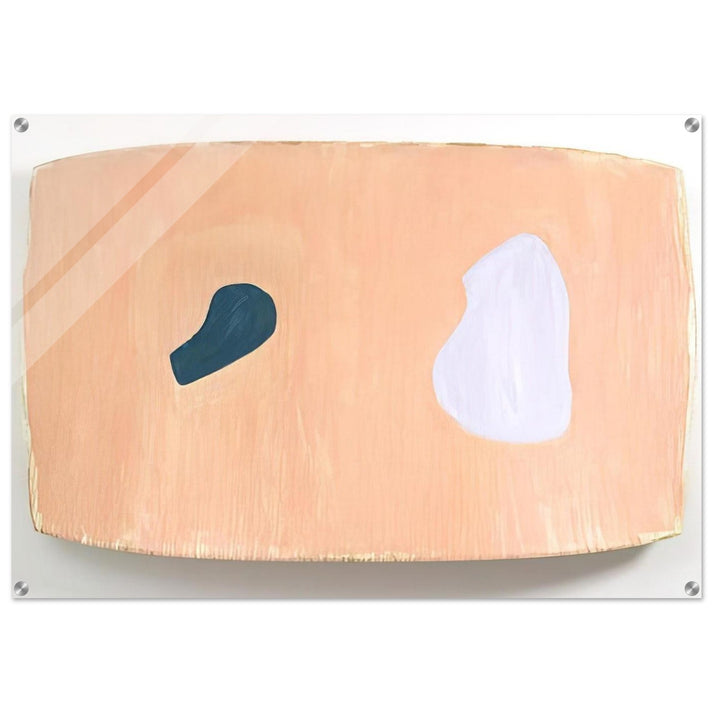
Timandra (2007) by Ron Gorchov – Acrylic Print
Experience the bold, sculptural vision of American artist Ron Gorchov with this museum-quality acrylic print of Timandra (2007). This striking reproduction captures Gorchov's iconic curved canvas technique, where the artwork seems to leap from the wall with dynamic presence. Created in his later career, Timandra exemplifies Gorchov's mastery of abstract form and vibrant color, blending ancient references with modernist innovation to evoke a sense of timeless mystery and emotional depth.
RedKalion presents this archival-grade print on 4mm (0.15") acrylic, ensuring a sleek, vibrant, and durable finish that rivals gallery displays. With straight-cut corners for a modern aesthetic and a hanging kit included for effortless installation, this piece is ready to transform any space into a curated sanctuary of fine art.
- Dimensions: 70x100 cm / 28x40" inches
- Material: 4mm (0.15") acrylic for superior color clarity and protection
- Design: Straight-cut corners; transparent backgrounds default to white
- Hanging Kit: Includes hardware, screws, and pre-drilled holes (14mm from edge, 8mm diameter)
Elevate your interior with an archival masterpiece that endures, backed by RedKalion's commitment to premium reproductions and art historical expertise.


Discover Unlimited Art Possibilities
At RedKalion, you can find virtually any artwork from any artist, available in a wide range of sizes to perfectly match your space.
If you didn’t find what you’re looking for, contact us at support@redkalion.com . We will source any artwork and produce it in any size and format you need, including art prints, posters, canvas, framed pieces, framed canvas, and more.
For dedicated art enthusiasts, we also offer handcrafted replicas of any artwork, carefully painted by highly skilled artists using traditional techniques.
For custom requests, contact us at support@redkalion.com .
What are the dimensions of this Ron Gorchov acrylic print?
This fine art print measures 70x100 cm (28x40 inches), offering a substantial presence ideal for modern interiors and museum-quality displays.
What material is used for the acrylic print?
It features 4mm (0.15") acrylic for a sleek, vibrant, and durable finish that enhances color depth and ensures long-lasting protection.
How is the acrylic print mounted and hung?
It includes a hanging kit with hardware, screws, and pre-drilled holes (14mm from edge, 8mm diameter) for easy, secure installation on your wall.
Is the acrylic print archival and fade-resistant?
Yes, this museum-quality reproduction uses archival materials to resist fading, ensuring your Gorchov artwork remains vibrant for years.
What is the shipping time and policy for this item?
RedKalion offers fast, secure shipping with tracking; delivery times vary by location, and all prints are carefully packaged to prevent damage.
Who is Ron Gorchov and what is significant about Timandra?
Ron Gorchov (1930–2020) was an American abstract painter known for his curved canvases. Timandra (2007) references a figure from Greek mythology, blending ancient themes with his signature sculptural forms to explore tension and harmony.
What artistic techniques define Gorchov's work in this print?
Gorchov's technique involved hand-stretching canvases over curved wooden supports, creating dimensional paintings that challenge traditional flatness, as seen in Timandra's dynamic abstraction.