

RedKalion
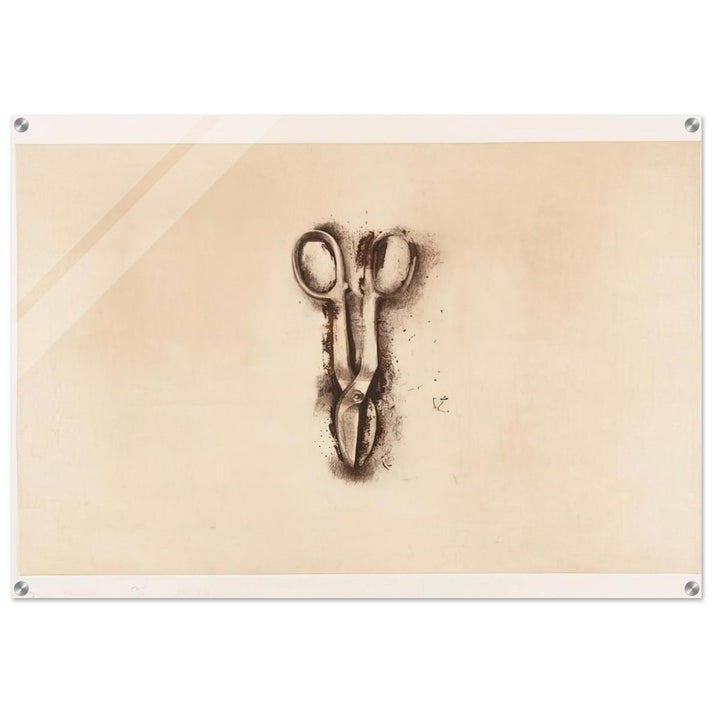
TINSNIP 1973 - Jim Dine Acrylic Print - 70x100 cm / 28x40″ inches
TINSNIP 1973 - Jim Dine Acrylic Print - 70x100 cm / 28x40″ inches
Couldn't load pickup availability
TINSNIP 1973 - A Vibrant Jim Dine Acrylic Print
Introducing TINSNIP 1973, a bold and dynamic fine art print by the acclaimed American artist Jim Dine. This museum-quality reproduction captures the raw energy and expressive power of Dine's iconic 1970s work, rendered in vibrant acrylic on a sleek 4mm (0.15") surface. Measuring 70x100 cm / 28x40" inches, this piece is a statement of modern artistry, featuring straight-cut corners for a contemporary aesthetic and a durable finish that resists fading.
Jim Dine, a leading figure in the Pop Art and Neo-Dada movements, is renowned for his exploration of everyday objects and tools, infusing them with personal symbolism and emotional depth. In TINSNIP 1973, Dine masterfully employs bold lines and vivid colors to transform a simple tool into a powerful artistic motif, reflecting the era's shift towards abstraction and personal expression. This archival-grade print from RedKalion ensures every detail—from the texture of the brushstrokes to the intensity of the hues—is preserved with precision, offering a gallery-worthy addition to any space.
Elevate your home or office with this premium acrylic print that combines historical significance with modern durability. The included hanging kit, with hardware, screws, and pre-drilled holes (14mm from the edge, 8mm diameter), ensures easy installation, while the transparent background defaults to white for optimal presentation. Trust RedKalion to deliver a world-class reproduction that honors Jim Dine's legacy and enhances your environment with enduring beauty.


Discover Unlimited Art Possibilities
At RedKalion, you can find virtually any artwork from any artist, available in a wide range of sizes to perfectly match your space.
If you didn’t find what you’re looking for, contact us at support@redkalion.com . We will source any artwork and produce it in any size and format you need, including art prints, posters, canvas, framed pieces, framed canvas, and more.
For dedicated art enthusiasts, we also offer handcrafted replicas of any artwork, carefully painted by highly skilled artists using traditional techniques.
For custom requests, contact us at support@redkalion.com .
What is the historical significance of TINSNIP 1973 by Jim Dine?
TINSNIP 1973 is a key work from Jim Dine's 1970s period, showcasing his Pop Art and Neo-Dada influences by transforming everyday tools into expressive, symbolic art with bold acrylic techniques.
How does the acrylic material enhance this fine art print?
The 4mm (0.15") acrylic provides a sleek, vibrant finish with UV-resistant properties, ensuring durability and color fidelity for a museum-quality reproduction that lasts.
What are the dimensions and hanging details for this Jim Dine print?
This print measures 70x100 cm / 28x40" inches and includes a hanging kit with pre-drilled holes (14mm from edge, 8mm diameter) for easy, secure installation.
Is this a limited edition or archival-grade reproduction?
This is an archival-grade reproduction from RedKalion, using premium materials to ensure long-lasting quality and accurate color representation for your art collection.
How is shipping handled for this acrylic art print?
We ship worldwide with protective packaging to prevent damage, offering tracking and reliable delivery for your premium Jim Dine print.
Why does the transparent background default to white in this design?
The transparent background defaults to white to optimize presentation and contrast, enhancing the vibrant colors and modern look of this straight-cut corner print.
What makes Jim Dine's technique in TINSNIP 1973 unique?
Jim Dine's technique in TINSNIP 1973 combines expressive brushwork with symbolic tool imagery, reflecting his personal style and the abstract trends of the 1970s art scene.