RedKalion
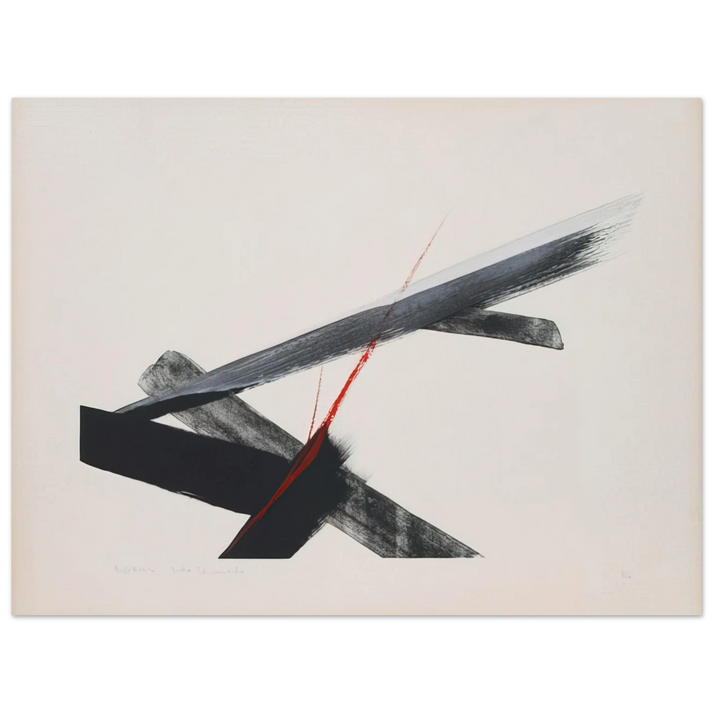
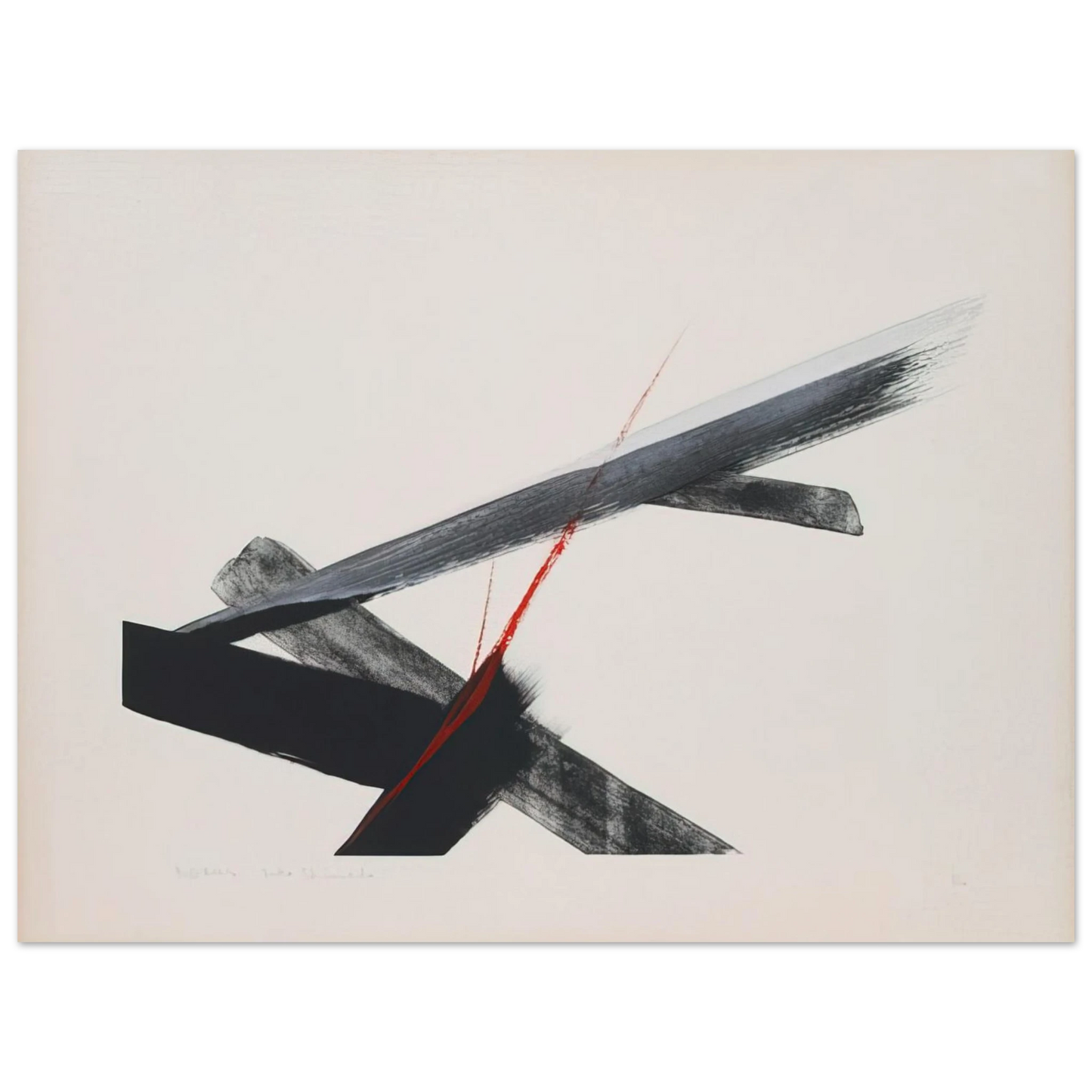
Toko Shinoda - Nexus - 1984 75x100 cm / 30x40inches Fine Art Poster
Toko Shinoda - Nexus - 1984 75x100 cm / 30x40inches Fine Art Poster
Couldn't load pickup availability
Toko Shinoda - Nexus - 1984: A Masterpiece of Abstract Expressionism
Immerse yourself in the dynamic elegance of Toko Shinoda's "Nexus - 1984", a seminal work from the artist's celebrated abstract period. This fine art print captures the essence of Shinoda's unique fusion of traditional Japanese calligraphy and Western abstraction, rendered in bold ink strokes that evoke a sense of fluid movement and profound balance. Created in 1984, this piece reflects Shinoda's mature style, where spontaneity meets meticulous control, offering a timeless visual dialogue that resonates with both modern and classic aesthetics.
RedKalion presents this museum-quality reproduction on our exclusive Master's Edition archival paper, ensuring every detail of Shinoda's intricate brushwork is preserved with stunning clarity. The matte, uncoated finish in a natural white hue enhances the artwork's depth, providing a luxurious texture that feels authentic to the original. Measuring 75x100 cm (30x40 inches), this print is perfectly scaled for impactful display in any space, from a serene home office to a sophisticated gallery wall.
Expert Insight: Shinoda, a pioneering female artist in post-war Japan, often drew inspiration from Zen philosophy, using sumi ink to create compositions that balance emptiness and form—a technique vividly showcased in "Nexus." Her work bridges cultural divides, making this piece a conversation starter for art enthusiasts.
Elevate your environment with an archival masterpiece that endures. Our acid-free paper (pH above 7) and FSC-certified sustainability ensure this print remains vibrant for generations, free from yellowing. With a substantial 250 gsm weight (110 lb) and 0.29 mm thickness (11.4 mils), it offers a premium feel that honors Shinoda's legacy. RedKalion's on-demand fulfillment means no minimum orders—each print is crafted with care and shipped directly to you, ready to inspire.
Discover Unlimited Art Possibilities
At RedKalion, you can find virtually any artwork from any artist, available in a wide range of sizes to perfectly match your space.
If you didn’t find what you’re looking for, contact us at support@redkalion.com . We will source any artwork and produce it in any size and format you need, including art prints, posters, canvas, framed pieces, framed canvas, and more.
For dedicated art enthusiasts, we also offer handcrafted replicas of any artwork, carefully painted by highly skilled artists using traditional techniques.
For custom requests, contact us at support@redkalion.com .
What are the dimensions of the Toko Shinoda Nexus - 1984 fine art print?
This museum-quality reproduction measures 75x100 cm (30x40 inches), ideal for creating a focal point in any room with its balanced scale.
What type of paper is used for this archival print?
It's printed on Master's Edition archival paper, featuring a matte, uncoated finish in natural white for a luxurious texture that enhances the artwork's details.
Our acid-free paper (pH above 7) ensures long-term preservation, preventing yellowing and maintaining vibrant colors for decades as a premium art reproduction.
What is the weight and thickness of the paper for this print?
The paper has a substantial 250 gsm weight (110 lb) and 0.29 mm thickness (11.4 mils), offering a durable and high-quality feel suitable for framing.
How does RedKalion handle shipping and orders for this artwork?
We offer on-demand printing with no minimum orders, ensuring each Toko Shinoda print is carefully crafted and shipped directly to you for convenience.
What inspired Toko Shinoda's abstract style in Nexus - 1984?
Shinoda blended traditional Japanese calligraphy with Western abstraction, influenced by Zen philosophy to create dynamic ink strokes that symbolize balance and movement.
Why is Nexus - 1984 considered a significant work in Shinoda's career?
As a 1984 piece, it showcases her mature abstract expressionism, highlighting her role as a pioneering female artist in post-war Japan's art scene.