RedKalion
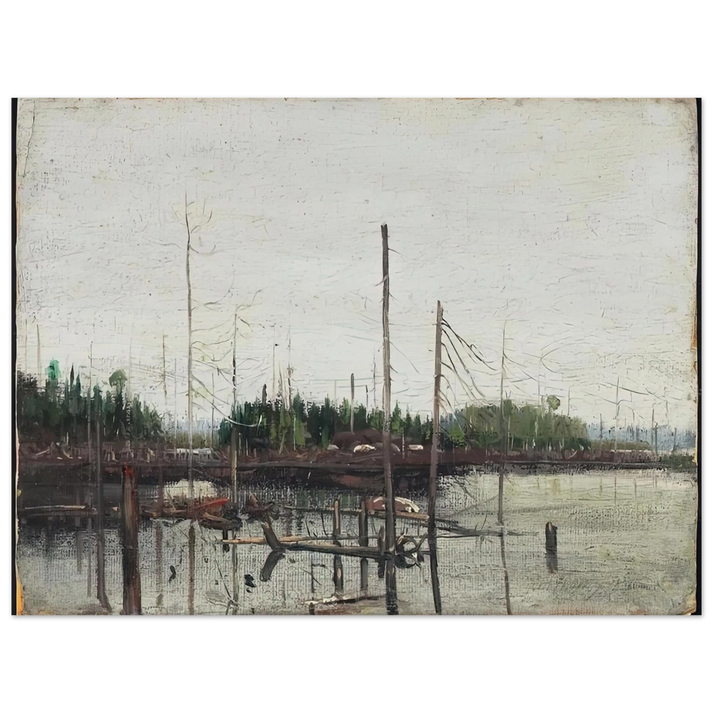
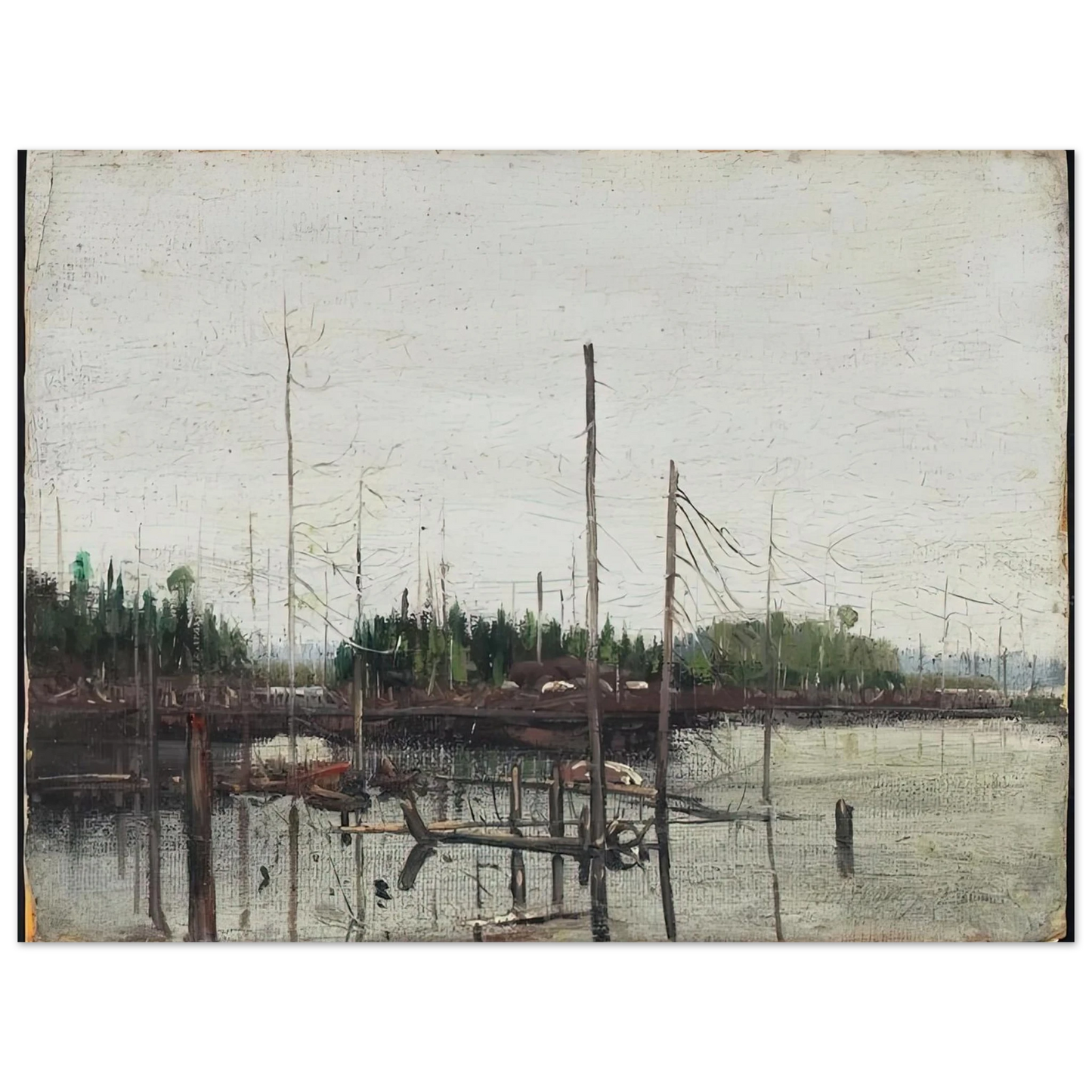
Tom Thomson - DROWNED LAND 1912 75x100 cm / 30x40inches Fine Art Poster
Tom Thomson - DROWNED LAND 1912 75x100 cm / 30x40inches Fine Art Poster
Couldn't load pickup availability
Tom Thomson's 'Drowned Land' (1912): A Masterpiece of Canadian Wilderness Art
Immerse yourself in the haunting beauty of Tom Thomson's 'Drowned Land' (1912), a seminal work from Canada's iconic Group of Seven era. This fine art print captures the raw, atmospheric essence of the Algonquin Park landscape, where Thomson pioneered a bold, expressive style that defined early 20th-century Canadian art. The scene evokes a mood of serene melancholy, with submerged trees and reflective waters symbolizing nature's quiet power and resilience.
RedKalion presents this museum-quality reproduction on our exclusive Master's Edition archival paper, ensuring every brushstroke and tonal nuance is preserved with unparalleled fidelity. The matte, uncoated finish in a natural white hue enhances the artwork's texture and depth, offering a tactile, gallery-like experience. Crafted from acid-free (pH above 7), FSC-certified paper with a weight of 250 gsm (110 lb) and thickness of 0.29 mm (11.4 mils), this print is designed to resist yellowing and endure for generations, making it a sustainable heirloom for discerning collectors.
Elevate your space with an archival masterpiece that bridges art history and modern craftsmanship, printed and shipped on demand with no minimum orders.
Discover Unlimited Art Possibilities
At RedKalion, you can find virtually any artwork from any artist, available in a wide range of sizes to perfectly match your space.
If you didn’t find what you’re looking for, contact us at support@redkalion.com . We will source any artwork and produce it in any size and format you need, including art prints, posters, canvas, framed pieces, framed canvas, and more.
For dedicated art enthusiasts, we also offer handcrafted replicas of any artwork, carefully painted by highly skilled artists using traditional techniques.
For custom requests, contact us at support@redkalion.com .
What are the dimensions of this Tom Thomson 'Drowned Land' print?
This fine art print measures 75x100 cm (30x40 inches), perfectly capturing the original artwork's scale for a museum-quality display in your home or office.
What type of paper is used for this archival reproduction?
We use Master's Edition archival paper, a museum-quality, acid-free (pH above 7) material that prevents yellowing and ensures long-lasting vibrancy for your Canadian art print.
How is this print shipped and what are the delivery options?
Printed and shipped on demand with no minimum orders, we offer reliable fulfillment with tracking to ensure your Tom Thomson artwork arrives safely and promptly.
Is this print environmentally sustainable?
Yes, this fine art poster is printed on FSC-certified paper, supporting responsible forestry practices for an eco-friendly art purchase.
What is the weight and thickness of the paper?
The paper has a luxurious weight of 250 gsm (110 lb) and a thickness of 0.29 mm (11.4 mils), providing a durable, premium feel for your museum-quality reproduction.
What artistic movement is Tom Thomson associated with?
Tom Thomson was a key precursor to the Group of Seven, a Canadian art movement known for its expressive landscapes that captured the wilderness in bold, modernist styles.
What does 'Drowned Land' depict in terms of subject matter?
This artwork depicts a submerged forest scene in Algonquin Park, using reflective waters and muted tones to evoke themes of nature's tranquility and resilience in early 20th-century art.