
RedKalion
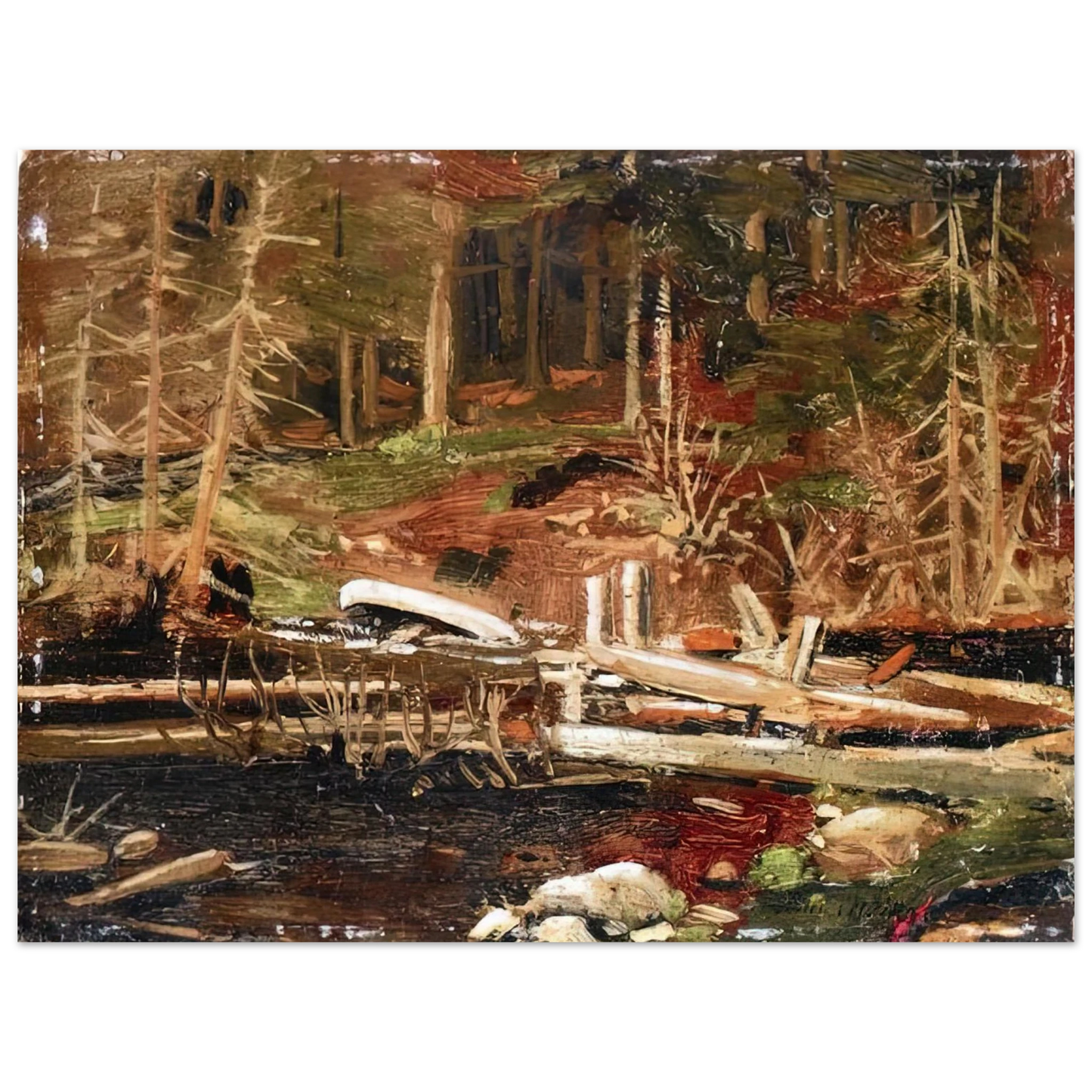
Tom Thomson - OLD LUMBER DAM ALGONQUIN PARK 1912 75x100 cm / 30x40inches Fine Art Poster
Tom Thomson - OLD LUMBER DAM ALGONQUIN PARK 1912 75x100 cm / 30x40inches Fine Art Poster
Couldn't load pickup availability
Tom Thomson - Old Lumber Dam Algonquin Park 1912: A Masterpiece of Canadian Wilderness
Immerse yourself in the rugged beauty of the Canadian wilderness with this museum-quality fine art print of Tom Thomson's iconic "Old Lumber Dam Algonquin Park 1912". This archival reproduction captures the raw, untamed spirit of Algonquin Park, where Thomson's bold brushstrokes and vivid palette evoke the dynamic interplay of light, water, and forest. As a pivotal figure in the Group of Seven, Thomson's work laid the groundwork for a distinctly Canadian artistic identity, making this piece a profound statement of national heritage and natural wonder.
RedKalion presents this masterpiece on our exclusive Master's Edition archival paper, ensuring every detail—from the shimmering reflections in the dam to the textured bark of the surrounding pines—is rendered with impeccable fidelity. The matte, uncoated finish and natural white hue provide a luxurious, gallery-worthy texture that resists glare, while the acid-free composition (pH above 7) guarantees this print will remain vibrant and free from yellowing for generations. Crafted from FSC-certified paper at 250 gsm (110 lb) and 0.29 mm (11.4 mils) thickness, this fine art poster balances durability with an elegant, substantial feel.
Elevate your home or office with a piece of Canadian art history that transcends mere decoration. This 75x100 cm (30x40 inches) reproduction is printed and shipped on demand with no minimum orders, offering a seamless way to own a slice of Thomson's visionary legacy. Trust RedKalion to deliver archival-grade excellence that honors both the artist's intent and your discerning taste.
Discover Unlimited Art Possibilities
At RedKalion, you can find virtually any artwork from any artist, available in a wide range of sizes to perfectly match your space.
If you didn’t find what you’re looking for, contact us at support@redkalion.com . We will source any artwork and produce it in any size and format you need, including art prints, posters, canvas, framed pieces, framed canvas, and more.
For dedicated art enthusiasts, we also offer handcrafted replicas of any artwork, carefully painted by highly skilled artists using traditional techniques.
For custom requests, contact us at support@redkalion.com .
What is the historical significance of Tom Thomson's "Old Lumber Dam Algonquin Park 1912"?
This painting is a key work by Tom Thomson, a precursor to the Group of Seven, showcasing his innovative use of color and brushwork to capture the Canadian wilderness in Algonquin Park, influencing modern Canadian art.
How does this fine art print replicate the original artwork's details?
Our museum-quality reproduction uses high-resolution imaging and Master's Edition archival paper to ensure every brushstroke and color nuance of Thomson's 1912 masterpiece is accurately preserved.
What are the specifications of the paper used for this archival print?
This print features Master's Edition archival paper: matte, uncoated, natural white finish, 250 gsm (110 lb) weight, 0.29 mm thickness, acid-free (pH above 7), and FSC-certified for sustainability.
How is this fine art poster shipped and what are the ordering policies?
We print and ship on demand with no minimum orders, ensuring each Tom Thomson reproduction is freshly crafted and carefully packaged for secure delivery worldwide.
Will this archival print last without yellowing or fading over time?
Yes, the acid-free paper (pH above 7) prevents yellowing, and our archival inks resist fading, making this a durable investment for long-term display of Canadian art.
What inspired Tom Thomson to paint scenes like this lumber dam in Algonquin Park?
Thomson was deeply inspired by the untamed landscapes of Algonquin Park, where he worked as a guide, using en plein air techniques to capture its raw beauty and seasonal changes.
Can you describe the color palette and mood of this artwork?
Thomson employs rich greens, blues, and earthy tones to evoke a serene yet dynamic mood, reflecting the tranquil water and lush forest of Algonquin Park in 1912.