
RedKalion
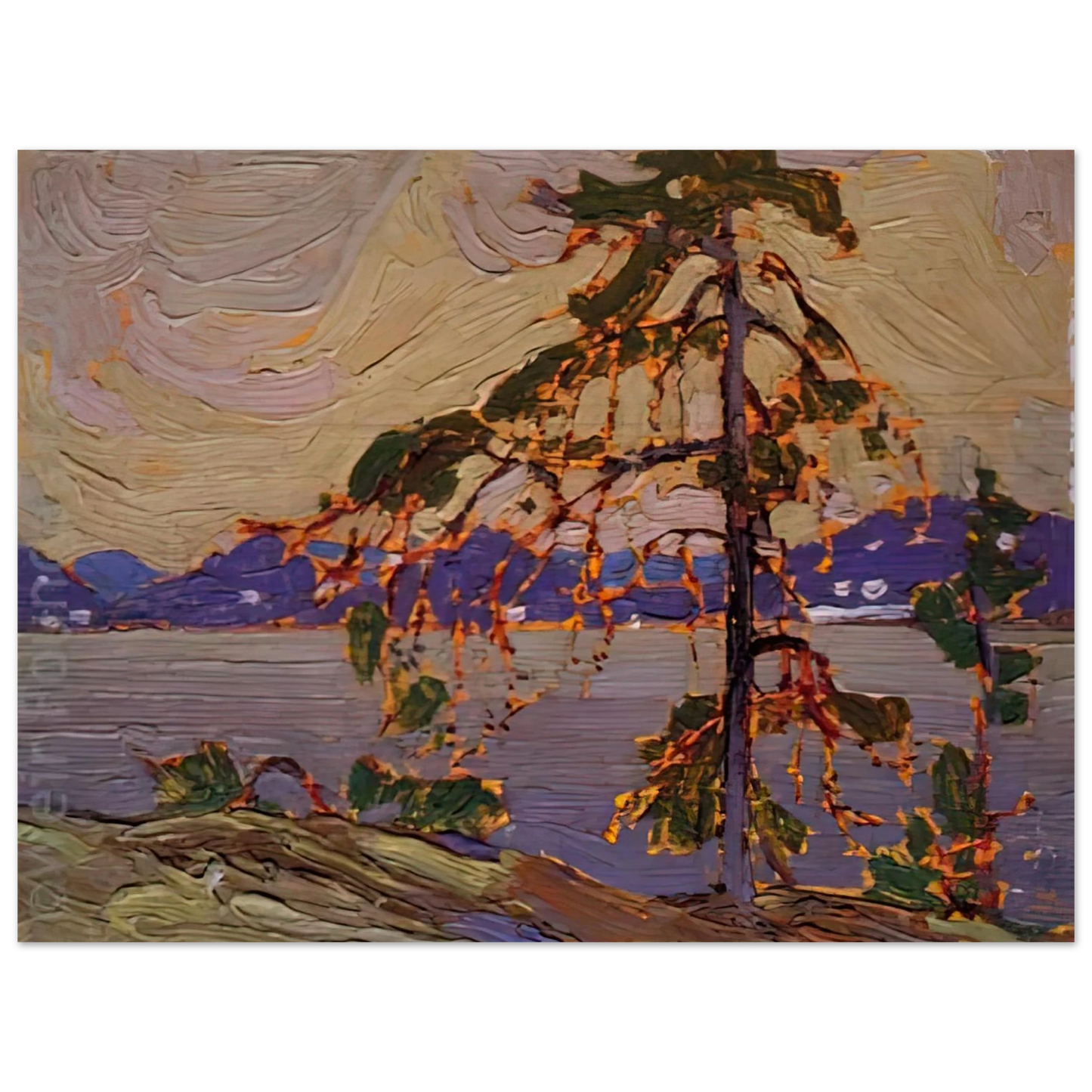
Tom Thomson - SKETCH FOR THE JACK PINE 1916 75x100 cm / 30x40inches Fine Art Poster
Tom Thomson - SKETCH FOR THE JACK PINE 1916 75x100 cm / 30x40inches Fine Art Poster
Couldn't load pickup availability
Tom Thomson - SKETCH FOR THE JACK PINE 1916: A Masterpiece of Canadian Wilderness Art
Immerse yourself in the raw, untamed beauty of the Canadian landscape with this museum-quality fine art print of Tom Thomson's "Sketch for The Jack Pine" (1916). This iconic work, a precursor to his celebrated masterpiece "The Jack Pine", captures the essence of the Group of Seven's pioneering spirit, where bold brushstrokes and vibrant hues evoke the rugged solitude of Algonquin Park. Thomson's dynamic technique—using thick impasto and a vivid palette—transforms a simple pine tree into a symbol of resilience against the elements, making it a timeless addition to any art collection.
RedKalion presents this archival reproduction on our exclusive Master's Edition archival paper, ensuring every detail of Thomson's expressive style is preserved. The matte, uncoated finish in a natural white tone enhances the artwork's texture and depth, while the acid-free composition (pH above 7) guarantees it resists yellowing for generations. Crafted from FSC-certified paper with a substantial 250 gsm weight (110 lb) and 0.29 mm thickness (11.4 mils), this print offers a luxurious, gallery-ready feel. Elevate your home or office with a piece that bridges art history and enduring quality, printed and shipped on demand to meet your needs without compromise.
Discover Unlimited Art Possibilities
At RedKalion, you can find virtually any artwork from any artist, available in a wide range of sizes to perfectly match your space.
If you didn’t find what you’re looking for, contact us at support@redkalion.com . We will source any artwork and produce it in any size and format you need, including art prints, posters, canvas, framed pieces, framed canvas, and more.
For dedicated art enthusiasts, we also offer handcrafted replicas of any artwork, carefully painted by highly skilled artists using traditional techniques.
For custom requests, contact us at support@redkalion.com .
What are the dimensions of this Tom Thomson fine art print?
This museum-quality reproduction measures 75x100 cm (30x40 inches), perfectly capturing the scale and impact of Thomson's original sketch for optimal display.
What type of paper is used for this archival print?
It's printed on Master's Edition archival paper, featuring a matte, uncoated finish in natural white for a luxurious texture that enhances the Group of Seven's vibrant colors.
How long will this print last without fading or yellowing?
With acid-free paper (pH above 7) and high-quality inks, this fine art poster is designed to resist deterioration, ensuring longevity for decades in proper conditions.
What is the weight and thickness of the paper?
The paper is 250 gsm (110 lb) with a thickness of 0.29 mm (11.4 mils), providing a durable, premium feel suitable for framing and preservation.
How is this print shipped and is there a minimum order?
RedKalion offers no minimum orders; each print is produced on demand and shipped securely to ensure your Canadian landscape art arrives in perfect condition.
What is the historical significance of "Sketch for The Jack Pine"?
Created in 1916, this sketch by Tom Thomson is a key study for his later masterpiece "The Jack Pine," showcasing his innovative brushwork that influenced the Group of Seven's iconic wilderness style.
How does Thomson's technique in this sketch differ from his final painting?
In this sketch, Thomson used looser, more expressive brushstrokes and a brighter palette to experiment with form and light, reflecting his spontaneous approach to capturing Algonquin Park's essence.