RedKalion
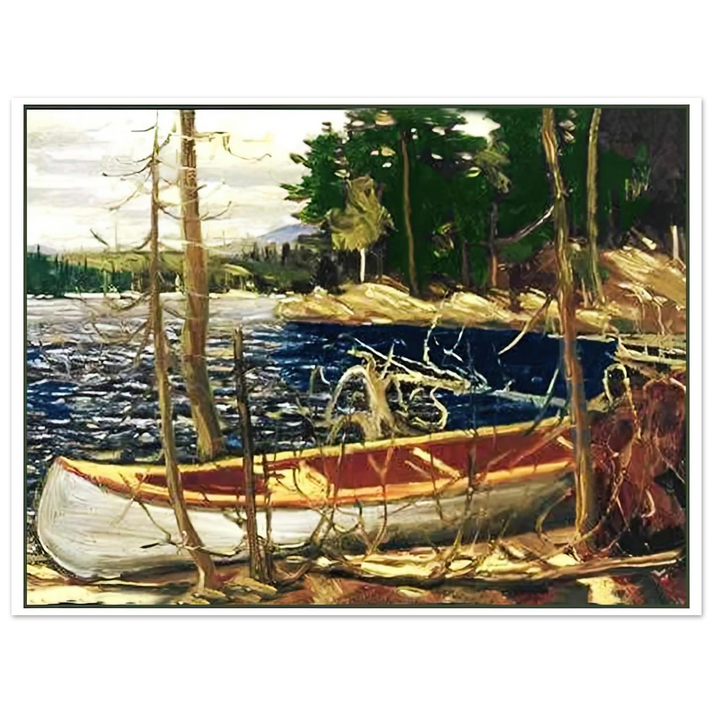
Tom Thomson - THE CANOE 1912 75x100 cm / 30x40inches Fine Art Poster
Tom Thomson - THE CANOE 1912 75x100 cm / 30x40inches Fine Art Poster
Couldn't load pickup availability
Tom Thomson - THE CANOE 1912: A Masterpiece of Canadian Wilderness Art
Immerse yourself in the serene beauty of the Canadian wilderness with this museum-quality fine art print of Tom Thomson's iconic 1912 painting, THE CANOE. This archival reproduction captures the essence of Thomson's groundbreaking work, where a lone canoe rests on a tranquil lake, surrounded by the rugged, untamed landscape of Algonquin Park. The composition evokes a profound sense of solitude and harmony with nature, reflecting Thomson's deep connection to the Ontario backcountry that defined the Group of Seven's artistic vision.
This piece is more than a poster; it is a premium fine art print crafted on our exclusive Master's Edition archival paper. The matte, uncoated finish and natural white hue (off-white) provide a luxurious texture that enhances the painting's earthy tones and subtle brushwork, mirroring the original's raw, expressive quality. With a weight of 250 gsm (110 lb) and thickness of 0.29 mm (11.4 mils), this acid-free (pH above 7) paper ensures longevity, preventing yellowing over time, while the FSC-certified sustainability aligns with RedKalion's commitment to eco-conscious artistry. Printed and shipped on demand with no minimum orders, this reproduction offers an accessible way to own a piece of Canadian art history.
Elevate your space with an archival masterpiece that endures, bringing the timeless allure of Thomson's wilderness scenes into your home or office. RedKalion curates world-class reproductions, blending historical accuracy with premium materials to deliver art that inspires and lasts.
Discover Unlimited Art Possibilities
At RedKalion, you can find virtually any artwork from any artist, available in a wide range of sizes to perfectly match your space.
If you didn’t find what you’re looking for, contact us at support@redkalion.com . We will source any artwork and produce it in any size and format you need, including art prints, posters, canvas, framed pieces, framed canvas, and more.
For dedicated art enthusiasts, we also offer handcrafted replicas of any artwork, carefully painted by highly skilled artists using traditional techniques.
For custom requests, contact us at support@redkalion.com .
What is the historical significance of Tom Thomson's THE CANOE 1912?
Tom Thomson's THE CANOE 1912 is a pivotal work in Canadian art history, showcasing his mastery of wilderness scenes that influenced the Group of Seven. It captures the solitude of Algonquin Park, using bold colors and expressive brushwork to evoke a deep connection with nature.
What details make this fine art print museum-quality?
This museum-quality reproduction uses Master's Edition archival paper with a matte, uncoated finish and natural white hue for a luxurious texture. It is acid-free (pH above 7) to prevent yellowing, ensuring longevity like original artworks in galleries.
What are the specifications of the paper used for this art print?
The paper is 250 gsm (110 lb) weight and 0.29 mm (11.4 mils) thick, made from FSC-certified sustainable sources. Its acid-free composition and matte finish provide a durable, premium feel ideal for fine art displays.
How is this fine art poster shipped and delivered?
We print and ship on demand with no minimum orders, ensuring each Tom Thomson reproduction is freshly made. Orders are carefully packaged to protect the archival paper during transit, delivered directly to your door.
How long will this archival print last without fading or damage?
With acid-free (pH above 7) paper and archival-quality inks, this print resists yellowing and fading for decades. Proper display away from direct sunlight ensures it remains vibrant, making it a lasting investment in Canadian art.
Why did Tom Thomson focus on canoe scenes in his artwork?
Tom Thomson often depicted canoes as symbols of exploration and solitude in the Canadian wilderness. In THE CANOE 1912, the canoe represents human presence in nature, reflecting his travels in Algonquin Park and his role in shaping national identity through art.
What techniques did Tom Thomson use in THE CANOE 1912?
Thomson employed oil on canvas with loose, expressive brushstrokes and a rich color palette to capture light and texture. His technique emphasized the raw beauty of the landscape, blending impressionistic styles with a unique Canadian perspective.