RedKalion
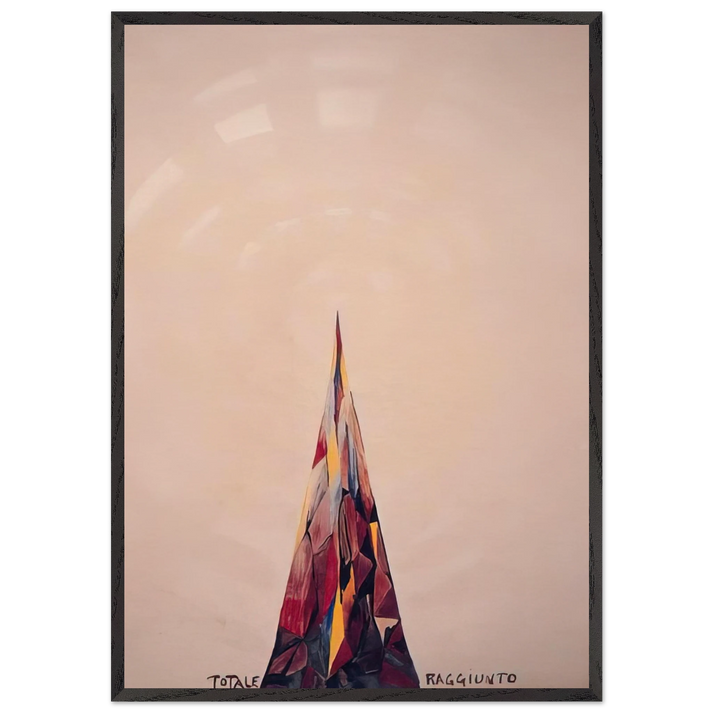
Totale - 1930 Italy - Benedetta Cappa 70x100 cm / 28x40 inches Framed Art Print – Black Wooden Frame
Totale - 1930 Italy - Benedetta Cappa 70x100 cm / 28x40 inches Framed Art Print – Black Wooden Frame
Couldn't load pickup availability
Totale - 1930 Italy - Benedetta Cappa: A Futurist Masterpiece
Immerse yourself in the dynamic energy of Italian Futurism with this museum-quality framed art print of "Totale" (1930) by Benedetta Cappa. This archival reproduction captures the bold geometric forms and avant-garde spirit that defined Cappa's work as a pioneering female artist in the Futurist movement. Measuring 70x100 cm / 28x40 inches, this piece is expertly presented in a sleek black wooden frame, ready to elevate any modern interior with its historical significance and striking visual impact.
As a key figure in the 1930s Italian art scene, Benedetta Cappa—often known as Benedetta—explored themes of speed, technology, and abstraction through innovative techniques. "Totale" reflects her mastery of composition, blending sharp lines and rhythmic patterns to evoke a sense of motion and modernity. This fine art print not only honors her legacy but also serves as a conversation-starting centerpiece for art enthusiasts and collectors seeking authentic reproductions.
Premium Framed Art Print Specifications
- Frame: Crafted from responsibly sourced oak and ash wood, this black wooden frame measures 20mm (0.79") thick and wide—wider than the classic 14mm (0.55") frame for enhanced durability and a contemporary profile.
- Paper: Printed on archival museum-quality paper with a matte, uncoated, natural white finish. The paper weight is 250 gsm (110 lb) and 0.29 mm (11.4 mils) thick, ideal for fine art reproductions that resist fading.
- Protection: Features shatterproof plexiglass to safeguard the print from damage while maintaining clarity.
- Sustainability: Made with FSC-certified materials or equivalent, ensuring eco-friendly production.
- Ready-to-Hang: Includes a hanging kit for immediate display, allowing you to adorn your space with this archival masterpiece that endures.
At RedKalion, we specialize in curating world-class reproductions that blend art historical expertise with premium craftsmanship. Trust in our authority to deliver a piece that not only decorates but educates, bringing the essence of 1930s Italy into your home or office.

Discover Unlimited Art Possibilities
At RedKalion, you can find virtually any artwork from any artist, available in a wide range of sizes to perfectly match your space.
If you didn’t find what you’re looking for, contact us at support@redkalion.com . We will source any artwork and produce it in any size and format you need, including art prints, posters, canvas, framed pieces, framed canvas, and more.
For dedicated art enthusiasts, we also offer handcrafted replicas of any artwork, carefully painted by highly skilled artists using traditional techniques.
For custom requests, contact us at support@redkalion.com .
What is the historical significance of "Totale" by Benedetta Cappa?
"Totale" (1930) is a key work by Benedetta Cappa, a pioneering female artist in the Italian Futurist movement, known for its abstract geometric forms and exploration of speed and technology in 1930s Italy.
What are the dimensions of this framed art print?
This museum-quality reproduction measures 70x100 cm / 28x40 inches, including the black wooden frame, making it an ideal size for prominent wall display in homes or offices.
What type of paper is used for this fine art print?
We use archival museum-quality paper with a matte, uncoated, natural white finish, 250 gsm (110 lb) weight, and 0.29 mm (11.4 mils) thickness for durable, fade-resistant reproductions.
Is the frame ready to hang?
Yes, this framed art print includes a hanging kit and is ready-to-hang directly on your wall, ensuring easy setup for immediate enjoyment.
How does the frame material ensure quality and sustainability?
The frame is made from responsibly sourced oak and ash wood, 20mm thick and wide, and uses FSC-certified materials for an eco-friendly, premium finish.
What protection does the print have against damage?
It features shatterproof plexiglass that protects the print from impacts while maintaining optical clarity, ideal for long-term preservation.
How does Benedetta Cappa's technique influence "Totale"?
Cappa employed innovative Futurist techniques in "Totale," using bold geometric shapes and dynamic compositions to convey motion, reflecting her role in advancing abstract art in 1930s Italy.