

RedKalion
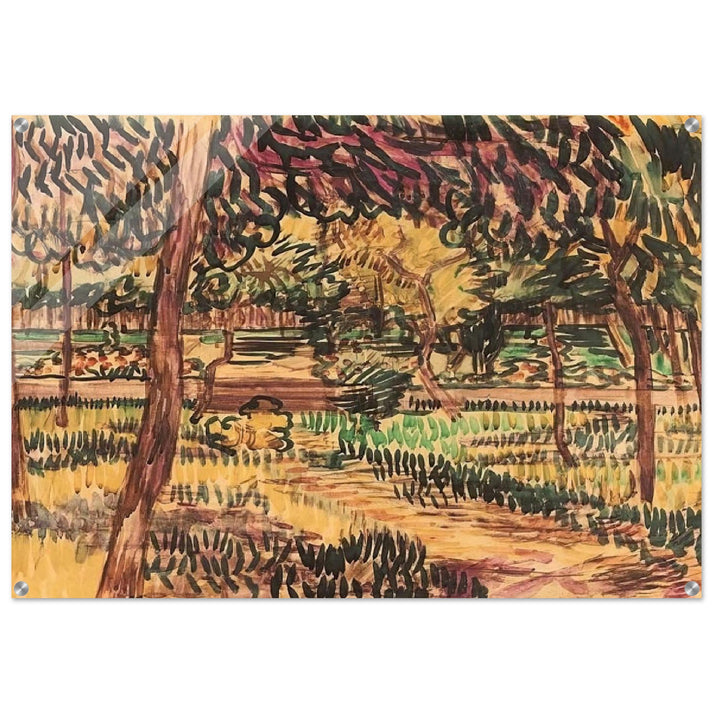
Trees in the Garden of the Asylum - Vincent van Gogh Acrylic Print - 70x100 cm / 28x40″ inches | Vincent van Gogh Wall Art | Vincent van Gogh Prints
Trees in the Garden of the Asylum - Vincent van Gogh Acrylic Print - 70x100 cm / 28x40″ inches | Vincent van Gogh Wall Art | Vincent van Gogh Prints
Couldn't load pickup availability
Trees in the Garden of the Asylum - A Vincent van Gogh Acrylic Print
Immerse yourself in the profound emotional depth of Vincent van Gogh's Trees in the Garden of the Asylum, masterfully reproduced as a premium acrylic print. Created in 1889 during his stay at the Saint-Paul-de-Mausole asylum in Saint-Rémy, this artwork captures van Gogh's intense connection to nature amidst personal turmoil. The swirling, expressive brushstrokes and vibrant palette of greens and blues evoke a sense of turbulent beauty and resilience, making it a powerful piece of Vincent van Gogh wall art that transforms any space into a gallery of introspection.
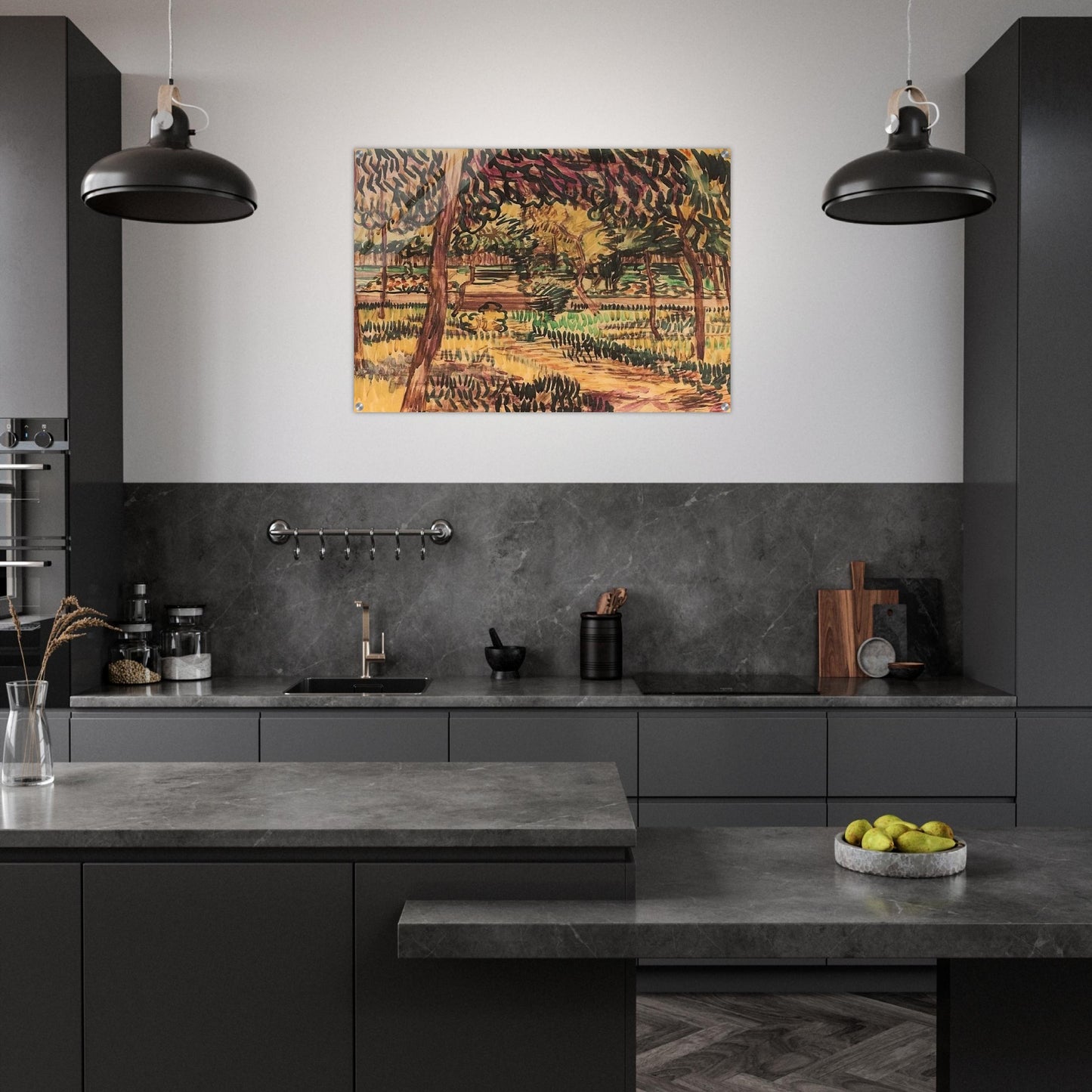
RedKalion presents this museum-quality reproduction on a 4mm (0.15") acrylic panel, ensuring a sleek, vibrant, and durable finish that enhances the artwork's luminosity. With straight-cut corners for a modern aesthetic and transparent backgrounds defaulting to white for optimal presentation, this fine art print measures 70x100 cm / 28x40" inches, offering a commanding presence. Each piece includes a complete hanging kit with hardware, screws, and pre-drilled screw holes at each corner (14mm from the edge, 8mm diameter, 15mm screw head) for effortless installation. Elevate your home or office with an archival masterpiece that endures, backed by RedKalion's expertise in curating world-class reproductions.
Art Historical Insight: Van Gogh painted this scene shortly after his infamous ear incident, using thick impasto and dynamic lines to convey the therapeutic power of nature—a technique that foreshadowed Expressionism and highlights his innovative approach to Vincent van Gogh prints.


Discover Unlimited Art Possibilities
At RedKalion, you can find virtually any artwork from any artist, available in a wide range of sizes to perfectly match your space.
If you didn’t find what you’re looking for, contact us at support@redkalion.com . We will source any artwork and produce it in any size and format you need, including art prints, posters, canvas, framed pieces, framed canvas, and more.
For dedicated art enthusiasts, we also offer handcrafted replicas of any artwork, carefully painted by highly skilled artists using traditional techniques.
For custom requests, contact us at support@redkalion.com .
What are the dimensions and material of this Vincent van Gogh acrylic print?
This fine art print measures 70x100 cm / 28x40" inches and is crafted on a 4mm (0.15") acrylic panel for a vibrant, durable finish, ideal as premium Vincent van Gogh wall art.
How is the acrylic print designed for hanging?
It includes a hanging kit with hardware, screws, and pre-drilled screw holes at each corner (14mm from edge, 8mm diameter) for easy installation of your museum-quality reproduction.
What is the historical significance of Trees in the Garden of the Asylum?
Painted in 1889 during van Gogh's asylum stay, it reflects his emotional turmoil and innovative use of swirling brushstrokes, making it a key piece in Vincent van Gogh prints history.
How does the acrylic enhance the artwork's appearance?
The 4mm acrylic provides a sleek, modern look with vibrant colors and a durable surface, perfect for showcasing this archival masterpiece in any setting.
What makes RedKalion's reproductions archival-grade?
We use high-quality materials and precise techniques to ensure longevity, positioning our Vincent van Gogh wall art as trusted, museum-quality reproductions.
Where was Trees in the Garden of the Asylum painted?
Van Gogh created this artwork at the Saint-Paul-de-Mausole asylum in Saint-Rémy, France, capturing the garden's natural beauty during a pivotal period in his career.
What artistic techniques did van Gogh use in this piece?
He employed thick impasto and dynamic, swirling lines to convey emotion and movement, highlighting his role in advancing modern art through Vincent van Gogh prints.