RedKalion
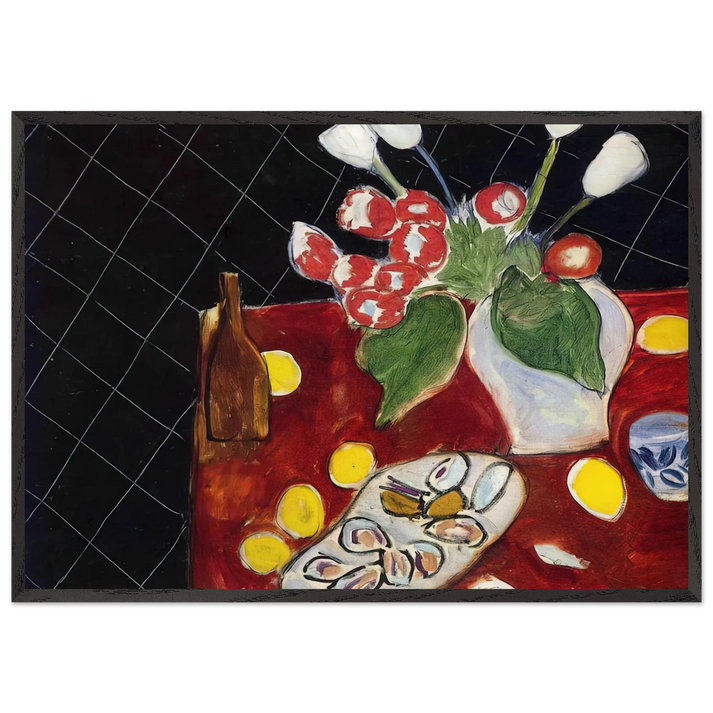
TULIPS AND OYSTERS ON A BLACK BACKGROUND 1943 - Henri Matisse 70x100 cm / 28x40 inches Framed Art Print – Black Wooden Frame
TULIPS AND OYSTERS ON A BLACK BACKGROUND 1943 - Henri Matisse 70x100 cm / 28x40 inches Framed Art Print – Black Wooden Frame
Couldn't load pickup availability
Tulips and Oysters on a Black Background 1943 - Henri Matisse
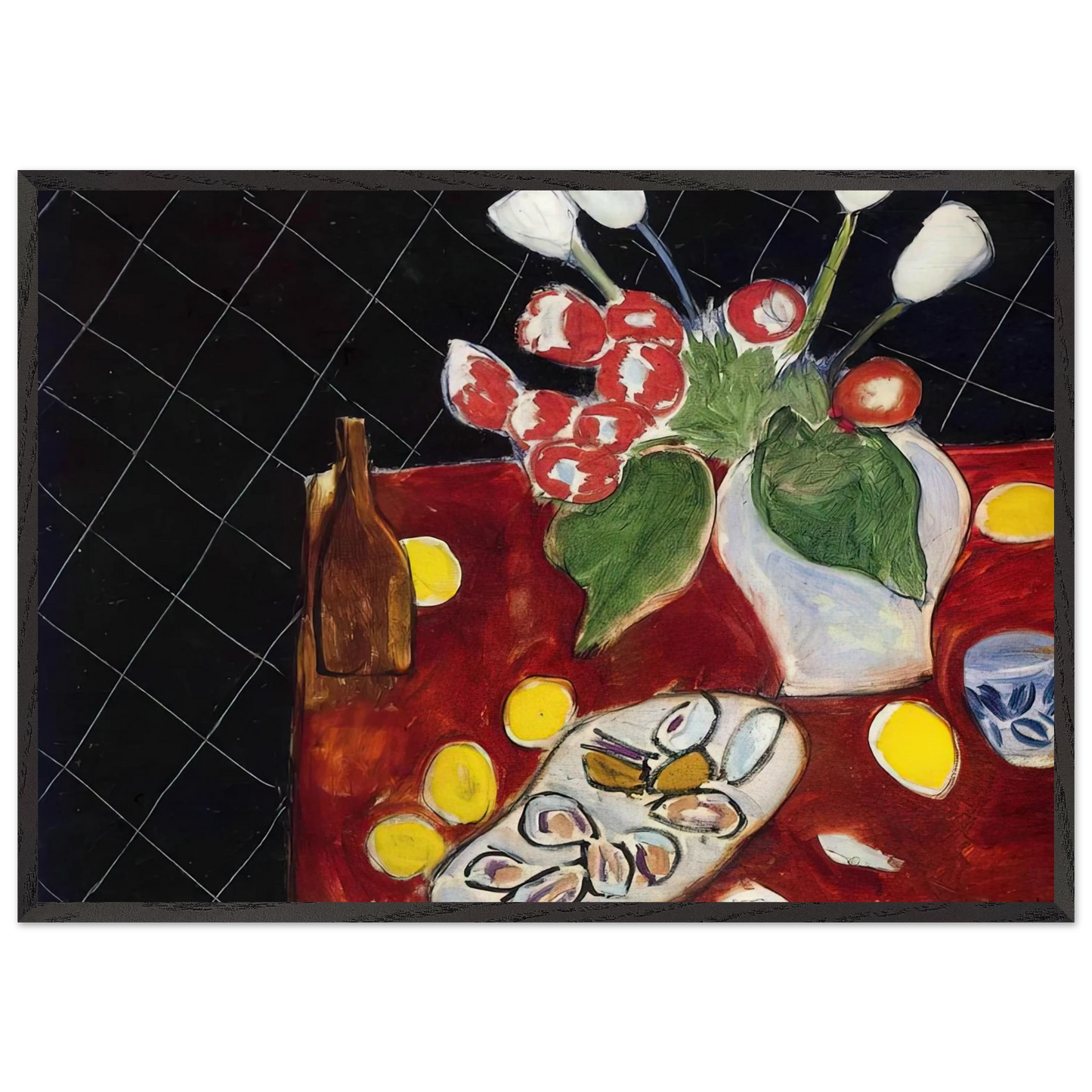
Immerse yourself in the vibrant world of Henri Matisse with this museum-quality fine art print of Tulips and Oysters on a Black Background, created in 1943. This masterpiece showcases Matisse's late-career brilliance, where bold color contrasts and simplified forms evoke a sense of joyful abundance and modernist elegance. The striking black background amplifies the luminous tulips and delicate oysters, creating a dynamic composition that captivates and inspires.
RedKalion presents this archival reproduction on premium 250 gsm (110 lb) matte, uncoated paper, ensuring every detail of Matisse's expressive brushwork is preserved with museum-grade fidelity. The print is elegantly framed in a responsibly sourced black wooden frame made from oak and ash, measuring 20mm thick for a substantial, gallery-worthy presence. Complete with shatterproof plexiglass protection and a hanging kit, this 70x100 cm (28x40 inches) framed art print arrives ready to hang, allowing you to elevate any space with a timeless piece of art history.
- Artwork: Tulips and Oysters on a Black Background (1943) by Henri Matisse
- Print Size: 70x100 cm / 28x40 inches
- Frame: Black wooden frame (oak and ash, 20mm thick)
- Paper: 250 gsm matte archival paper, FSC-certified
- Protection: Shatterproof plexiglass
- Included: Hanging kit for immediate display
Did you know? Matisse's use of a stark black background in this piece was a deliberate move to heighten the sensory impact of the still life, reflecting his ongoing exploration of color as an emotional force during his later years.
Discover Unlimited Art Possibilities
At RedKalion, you can find virtually any artwork from any artist, available in a wide range of sizes to perfectly match your space.
If you didn’t find what you’re looking for, contact us at support@redkalion.com . We will source any artwork and produce it in any size and format you need, including art prints, posters, canvas, framed pieces, framed canvas, and more.
For dedicated art enthusiasts, we also offer handcrafted replicas of any artwork, carefully painted by highly skilled artists using traditional techniques.
For custom requests, contact us at support@redkalion.com .
What are the dimensions of this Henri Matisse framed art print?
This framed fine art print measures 70x100 cm (28x40 inches), including the black wooden frame, making it a statement piece ideal for living rooms, offices, or galleries.
What type of paper is used for this museum-quality reproduction?
It features 250 gsm (110 lb) matte, uncoated archival paper, FSC-certified for sustainability, ensuring vibrant color reproduction and long-lasting durability for your art collection.
Is this framed print ready to hang upon delivery?
Yes, it includes a hanging kit and arrives fully assembled, so you can display this Henri Matisse masterpiece directly on your wall without any setup.
How does the frame protect and enhance the print?
The frame is made from responsibly sourced oak and ash wood, 20mm thick, with shatterproof plexiglass to safeguard the print from damage while adding a sleek, modern aesthetic.
Is this print archival and fade-resistant?
Yes, it uses archival-grade materials and inks designed to resist fading, ensuring your Matisse reproduction maintains its beauty for years in indoor settings.
What is the historical significance of Tulips and Oysters on a Black Background?
Created in 1943, this work reflects Matisse's late period, where he used bold contrasts and simplified forms to explore themes of abundance and color emotion, marking a key moment in modernist art.
Why did Matisse choose a black background for this still life?
Matisse used the black background to intensify the visual impact of the tulips and oysters, creating a dramatic focus that highlights his mastery of color and composition in still life painting.