
RedKalion
Ulmus Chinensis Art Print | Premium Fine Art Print | RedKalion
Ulmus Chinensis Art Print | Premium Fine Art Print | RedKalion
Couldn't load pickup availability
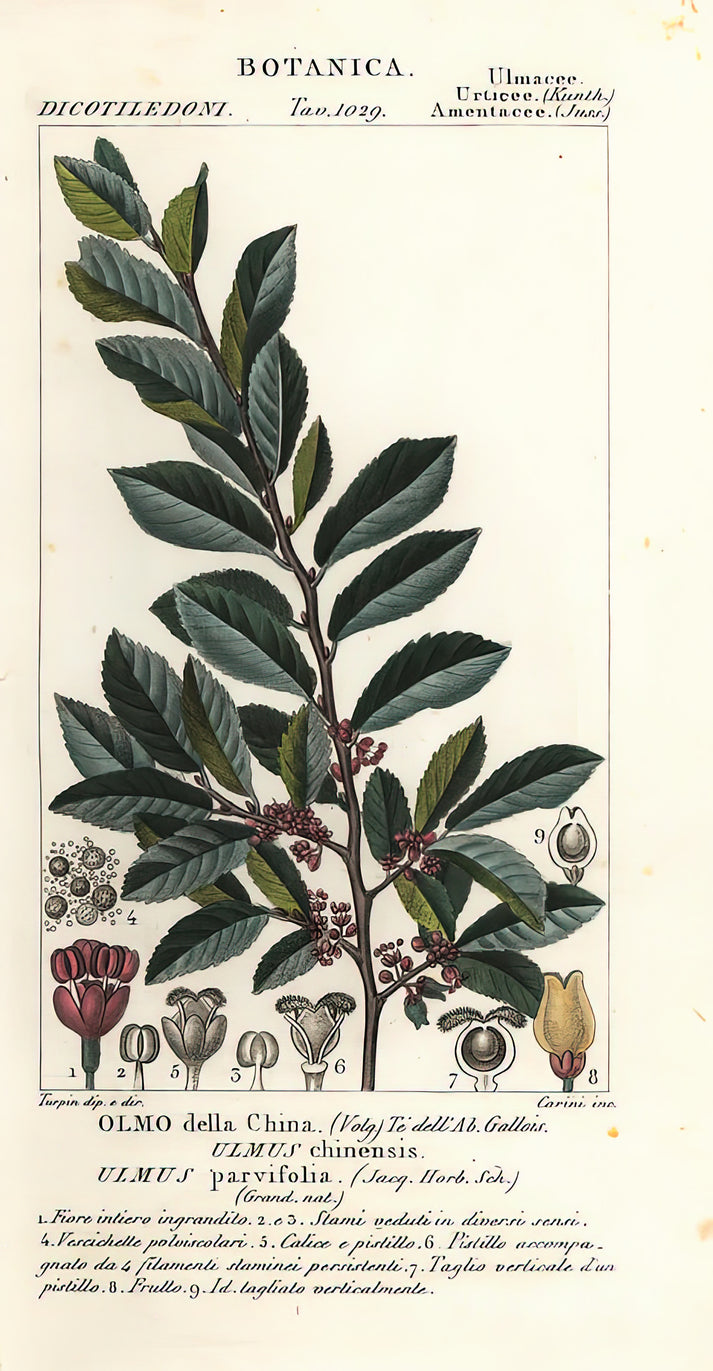
This fine art print captures the intricate beauty of Ulmus chinensis, commonly known as the Chinese elm or lacebark elm. Native to East Asia, this deciduous tree is celebrated for its distinctive exfoliating bark, which reveals a mosaic of colors, and its small, serrated leaves that turn golden in autumn. Valued in horticulture and traditional gardens, it symbolizes resilience and natural elegance.
Artistic Depiction of Ulmus Chinensis
This artwork highlights the tree's unique bark texture and delicate foliage, rendered with botanical precision. The composition emphasizes the interplay of light and shadow, showcasing the elm's graceful form and seasonal changes. Such detailed portrayals reflect a deep appreciation for arboreal aesthetics, bridging scientific accuracy with artistic expression.
Ulmus Chinensis in Botanical Art History
Botanical illustrations of Ulmus chinensis have evolved from early scientific records to modern artistic interpretations. This print draws on that legacy, offering a contemporary view that honors the tree's ecological and cultural significance. It serves as a visual tribute to one of nature's most adaptable species.
Print Specifications & Materials
- Available Sizes: 75×100 cm / 30×40″, 40×50 cm / 16×20″, 21×29.7 cm / 8×12″
- Paper Finishing: Matte, uncoated, natural white (off-white)
- Acid-Free: pH above 7 to prevent yellowing over time
- Paper Weight: 250 gsm (110 lb) | Thickness: 0.29 mm (11.4 mils)
- Sustainable Paper: FSC-certified
RedKalion's premium print of Ulmus chinensis combines expert craftsmanship with archival materials, ideal for enhancing any space with a touch of natural sophistication. Each piece is produced to museum-quality standards, ensuring lasting beauty and detail.

Discover Unlimited Art Possibilities
At RedKalion, you can find virtually any artwork from any artist, available in a wide range of sizes to perfectly match your space.
If you didn’t find what you’re looking for, contact us at support@redkalion.com . We will source any artwork and produce it in any size and format you need, including art prints, posters, canvas, framed pieces, framed canvas, and more.
For dedicated art enthusiasts, we also offer handcrafted replicas of any artwork, carefully painted by highly skilled artists using traditional techniques.
For custom requests, contact us at support@redkalion.com .
What is Ulmus chinensis?
Ulmus chinensis, or Chinese elm, is a deciduous tree native to East Asia, known for its lace-like bark and small leaves. It's popular in gardens for its ornamental value and resilience.
What paper is used for this art print?
We use FSC-certified, acid-free paper with a matte finish and 250 gsm weight. This ensures archival quality, preventing yellowing and offering a natural white tone for accurate color reproduction.
How is the print shipped?
Prints are carefully rolled in protective tubes and shipped globally. Delivery times vary by location, with tracking provided for secure and efficient handling to prevent damage.
How long will the print last?
With acid-free paper and archival inks, this print resists fading and yellowing for decades. Proper framing and display away from direct sunlight further enhance its longevity.
What sizes are available for this Ulmus chinensis print?
Available in 75×100 cm, 40×50 cm, and 21×29.7 cm. Each size is crafted to highlight the tree's details, suitable for various display settings from large walls to compact spaces.
Why is the bark of Ulmus chinensis unique?
The bark exfoliates in patches, revealing a mosaic of gray, green, and orange hues. This characteristic, called lacebark, adds visual interest and distinguishes it from other elm species.
How does this artwork depict seasonal changes?
The print captures the tree's golden autumn foliage and textured bark, emphasizing seasonal transitions. It uses subtle color gradients to reflect natural light variations throughout the year.