RedKalion
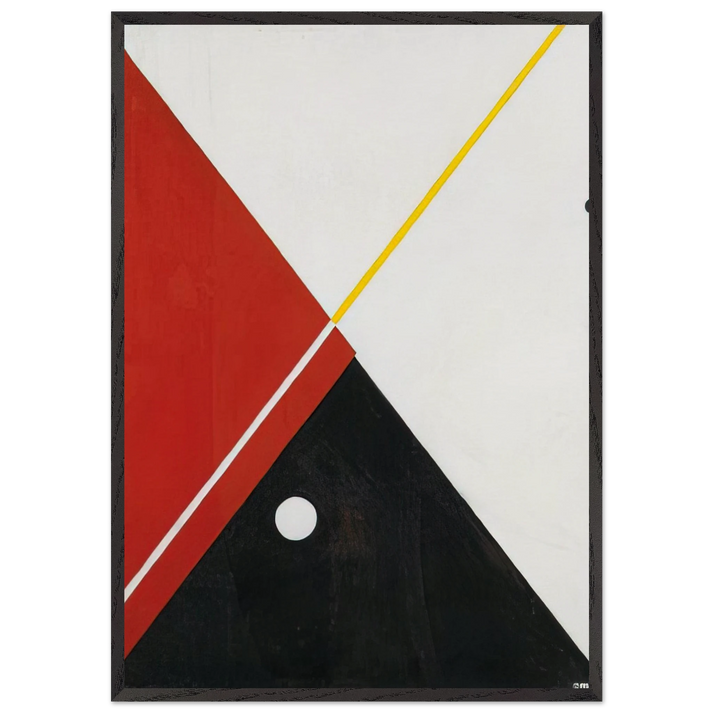
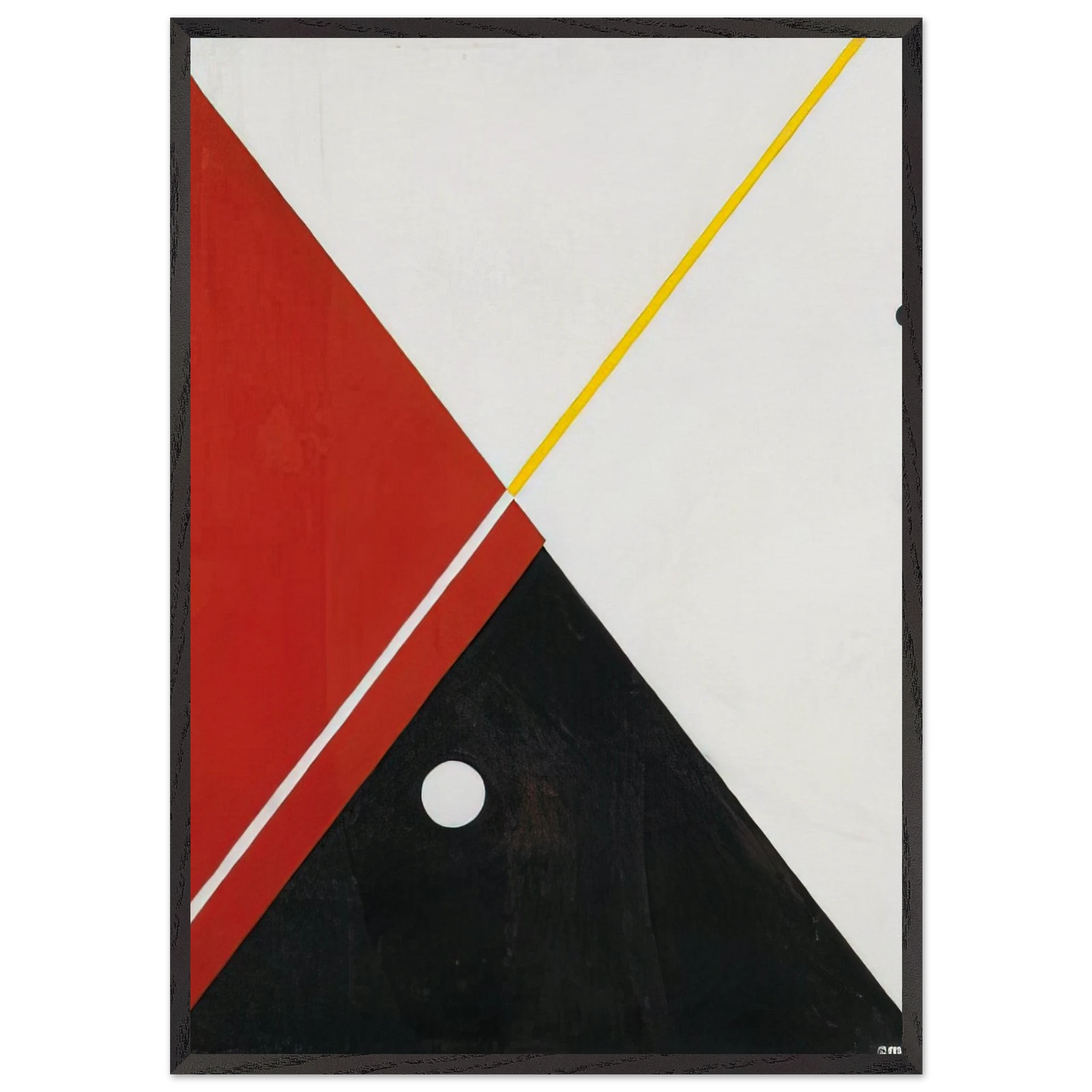
UNTITLED 1930 0 - Alexander Calder 70x100 cm / 28x40 inches Framed Art Print – Black Wooden Frame
UNTITLED 1930 0 - Alexander Calder 70x100 cm / 28x40 inches Framed Art Print – Black Wooden Frame
Couldn't load pickup availability
Alexander Calder's Untitled 1930: A Pioneering Abstract Masterpiece
Introducing Alexander Calder's Untitled 1930, a rare and pivotal work from the dawn of his revolutionary career. This museum-quality reproduction captures the dynamic energy and playful abstraction that defined Calder's early explorations into form and movement. Created just before his iconic mobiles, this piece showcases his bold use of geometric shapes and organic lines, reflecting the avant-garde spirit of 1930s modern art. At RedKalion, we honor this legacy with an archival-grade fine art print that brings Calder's visionary creativity into your space.
Premium Framed Art Print: Crafted for Lasting Beauty
This framed art print is meticulously produced to gallery standards, ensuring every detail of Calder's original composition is preserved. The print measures 70x100 cm / 28x40 inches, presented in a sophisticated black wooden frame made from responsibly sourced oak and ash wood. With a substantial 20mm (0.79") thickness—wider than classic frames—it offers a bold, contemporary presence on your wall. The matte, uncoated, natural white paper (250 gsm / 110 lb, 0.29 mm thick) provides a premium, archival surface that resists fading, while shatterproof plexiglass protects against damage. Made with FSC-certified sustainable materials, this piece is both ethically crafted and ready to hang with the included kit.
Why Choose This Calder Print from RedKalion?
Elevate your home or office with a fine art reproduction that combines historical significance with modern durability. As trusted curators of museum-quality prints, RedKalion ensures each piece meets rigorous archival standards, offering a timeless addition to any collection. This Untitled 1930 print not only celebrates Calder's innovative legacy but also provides a conversation-starting focal point, backed by our commitment to excellence and sustainability.
Discover Unlimited Art Possibilities
At RedKalion, you can find virtually any artwork from any artist, available in a wide range of sizes to perfectly match your space.
If you didn’t find what you’re looking for, contact us at support@redkalion.com . We will source any artwork and produce it in any size and format you need, including art prints, posters, canvas, framed pieces, framed canvas, and more.
For dedicated art enthusiasts, we also offer handcrafted replicas of any artwork, carefully painted by highly skilled artists using traditional techniques.
For custom requests, contact us at support@redkalion.com .
What are the dimensions of this Alexander Calder framed print?
This framed art print measures 70x100 cm (28x40 inches), with a black wooden frame that is 20mm (0.79 inches) thick, offering a bold and contemporary display for your fine art reproduction.
What type of paper is used for this museum-quality print?
We use a 250 gsm (110 lb) matte, uncoated, natural white archival paper, 0.29 mm thick, ensuring a premium surface that captures every detail of Calder's abstract masterpiece for long-lasting beauty.
Is this framed print ready to hang?
Yes, this ready-to-hang framed art print includes a hanging kit, allowing for easy and secure installation directly on your wall upon arrival.
How is the print protected in the frame?
The print is safeguarded with shatterproof plexiglass, providing durable protection against damage while maintaining clarity for your Alexander Calder fine art reproduction.
Is the framing sustainable and high-quality?
Yes, the black wooden frame is crafted from responsibly sourced oak and ash wood, using FSC-certified materials, ensuring an eco-friendly and durable presentation for your archival print.
What makes Alexander Calder's Untitled 1930 significant in art history?
Untitled 1930 is a pivotal work from Calder's early career, showcasing his transition into abstraction and geometric forms, which later influenced his iconic mobiles and modern art movements.
Can you describe the artistic style of this Calder piece?
This piece features bold geometric shapes and organic lines, reflecting Calder's playful and dynamic approach to abstraction, characteristic of 1930s avant-garde art.