RedKalion
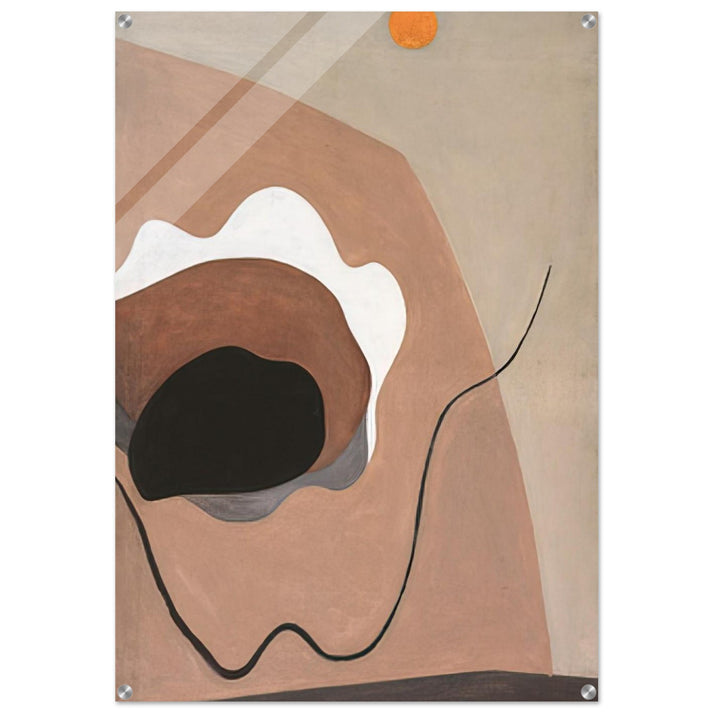
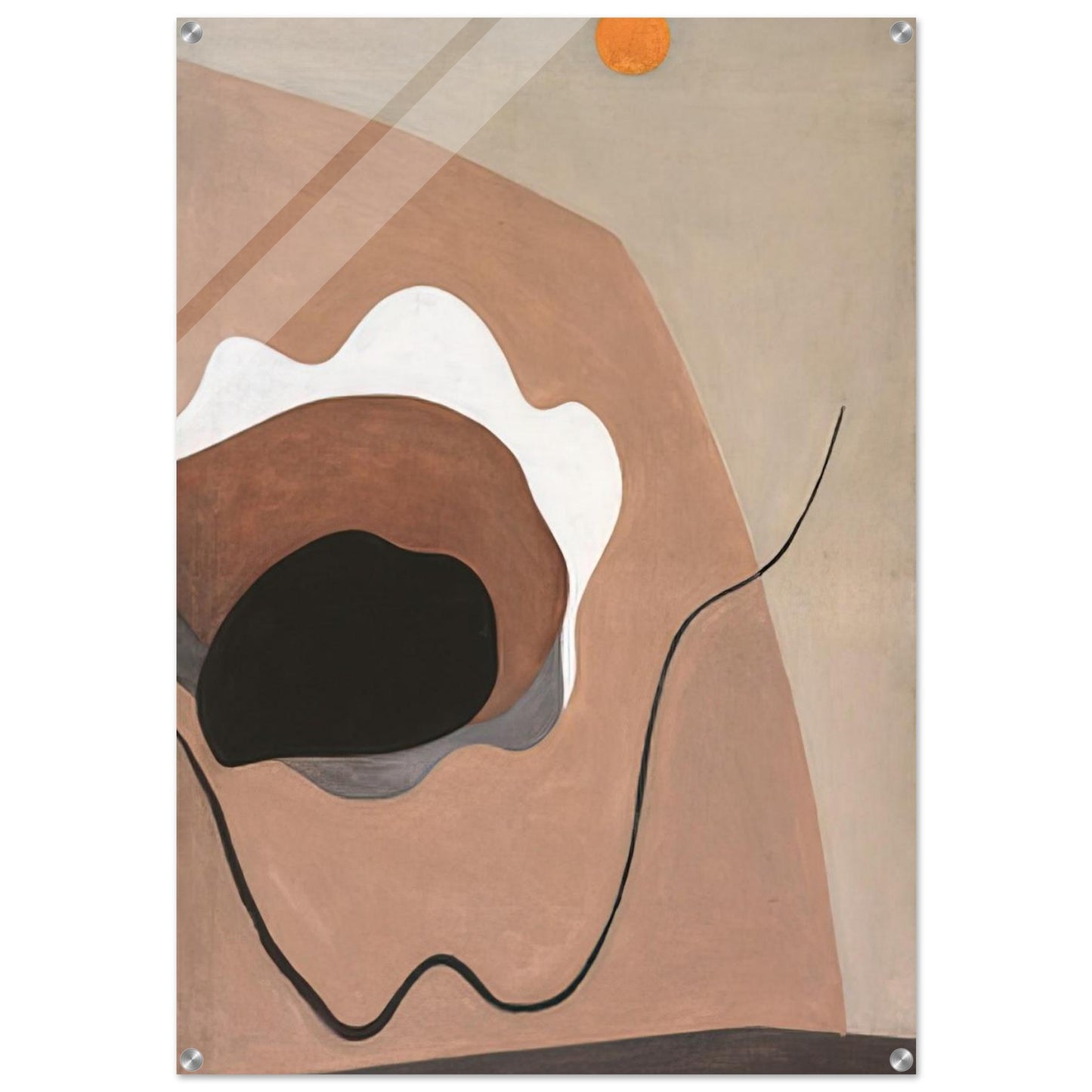
UNTITLED 1930 - Alexander Calder Acrylic Print - 70x100 cm / 28x40″ inches
UNTITLED 1930 - Alexander Calder Acrylic Print - 70x100 cm / 28x40″ inches
Couldn't load pickup availability
Untitled 1930 - Alexander Calder Acrylic Print
Introducing a museum-quality reproduction of Alexander Calder's groundbreaking 1930 abstract work, now available as a premium fine art print on durable acrylic. This piece captures the essence of Calder's early exploration into kinetic sculpture and abstract form, marking a pivotal moment in 20th-century modern art. The vibrant colors and dynamic shapes evoke a sense of playful innovation, making it an ideal centerpiece for contemporary spaces seeking artistic depth.
Our archival-grade print is meticulously crafted on 4mm (0.15") acrylic, ensuring a sleek, vibrant finish that resists fading and damage. With straight-cut corners for a modern aesthetic, this 70x100 cm / 28x40" inches reproduction transforms any room into a gallery-worthy environment. Transparent backgrounds default to white for optimal presentation, enhancing the artwork's bold contrasts. Elevate your home or office with this enduring masterpiece from RedKalion, where we curate only the highest-quality reproductions for discerning collectors.
- Material: 4mm (0.15") acrylic for durability and vibrant color reproduction.
- Design: Straight-cut corners with white default backgrounds for modern display.
- Size: 70x100 cm / 28x40" inches, perfect for statement walls.
- Hanging Kit: Includes hardware, screws, and pre-drilled holes (14mm from edge, 8mm diameter, 15mm screw head) for easy installation.
Did you know? Calder's 1930s works, like this untitled piece, often experimented with balance and movement, foreshadowing his famous mobiles. This print preserves that artistic legacy in a format designed to last generations, backed by RedKalion's commitment to archival excellence.
Discover Unlimited Art Possibilities
At RedKalion, you can find virtually any artwork from any artist, available in a wide range of sizes to perfectly match your space.
If you didn’t find what you’re looking for, contact us at support@redkalion.com . We will source any artwork and produce it in any size and format you need, including art prints, posters, canvas, framed pieces, framed canvas, and more.
For dedicated art enthusiasts, we also offer handcrafted replicas of any artwork, carefully painted by highly skilled artists using traditional techniques.
For custom requests, contact us at support@redkalion.com .
What are the dimensions of this Alexander Calder acrylic print?
This fine art print measures 70x100 cm or 28x40 inches, making it an ideal size for a statement piece in any room with its museum-quality reproduction on durable acrylic.
What material is used for this acrylic print?
It features a 4mm (0.15") acrylic material, providing a sleek, vibrant finish that ensures long-lasting durability and optimal color presentation for your abstract art collection.
How is the hanging kit included with this print?
The hanging kit includes hardware, screws, and pre-drilled holes at each corner (14mm from edge, 8mm diameter, 15mm screw head) for easy and secure installation of your modern art print.
What is the significance of Alexander Calder's 1930 artwork?
This untitled 1930 piece represents Calder's early abstract explorations, blending kinetic elements and bold forms that influenced modern art, making it a valuable addition to any fine art collection.
How durable and archival is this acrylic print?
Our archival-grade acrylic print resists fading and damage, ensuring your museum-quality reproduction remains vibrant for years, backed by RedKalion's premium materials and craftsmanship.
What design features does this print have?
It includes straight-cut corners for a modern look and transparent backgrounds defaulted to white, enhancing the artwork's presentation as a sleek contemporary piece.
Can you tell me more about Calder's technique in 1930?
In 1930, Calder experimented with abstract forms and balance, using vibrant colors and dynamic shapes that later evolved into his iconic mobiles, reflecting his innovative approach to modern art.