

RedKalion
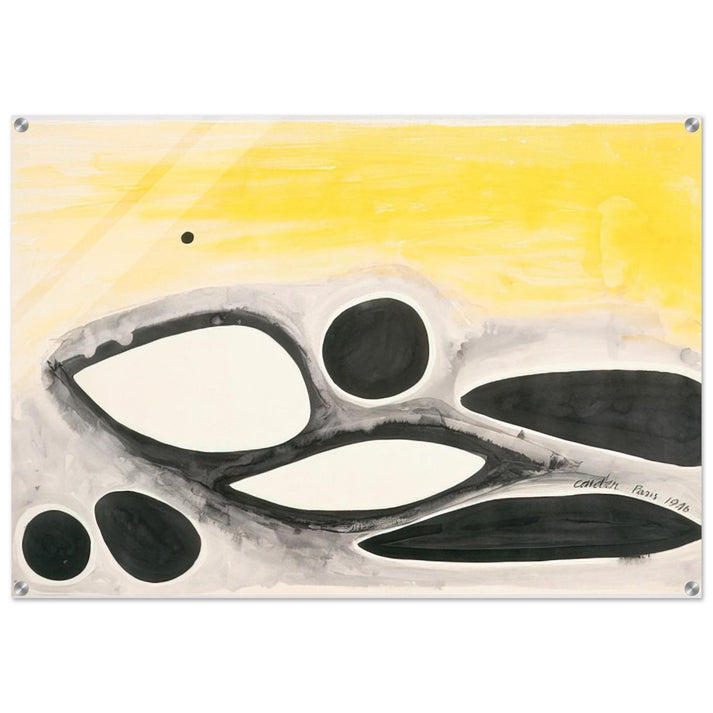
UNTITLED 1946 0 - Alexander Calder Acrylic Print - 70x100 cm / 28x40″ inches | Alexander Calder Wall Art | Alexander Calder Prints
UNTITLED 1946 0 - Alexander Calder Acrylic Print - 70x100 cm / 28x40″ inches | Alexander Calder Wall Art | Alexander Calder Prints
Couldn't load pickup availability
Alexander Calder 'Untitled 1946 0' Acrylic Print: A Modernist Masterpiece
Elevate your space with this museum-quality reproduction of Alexander Calder's 'Untitled 1946 0', a quintessential example of his pioneering abstract art. Created in 1946, this piece reflects Calder's innovative spirit during the post-war era, where he masterfully balanced form and color to evoke a sense of playful dynamism and organic movement. As a leading figure in the Modernist movement, Calder's work transcends traditional boundaries, making this fine art print a timeless addition to any contemporary interior.
RedKalion presents this archival-grade Alexander Calder wall art as a premium acrylic print, meticulously crafted to capture every nuance of the original. The 4mm (0.15") acrylic surface ensures a sleek, vibrant finish that enhances color depth and durability, while straight-cut corners contribute to a modern aesthetic. For optimal presentation, transparent backgrounds are rendered in white, allowing the artwork to command attention in any setting.
This Alexander Calder print measures 70x100 cm (28x40 inches), offering a statement piece that harmonizes with both residential and commercial spaces. Each print includes a complete hanging kit—hardware, screws, and pre-drilled screw holes positioned 14mm (0.55") from the edge, with an 8mm (0.31") diameter hole and 15mm (0.6") screw head—ensuring effortless installation and a professional gallery-ready display.
As your trusted curator of world-class reproductions, RedKalion combines art historical expertise with cutting-edge printing technology. Our commitment to archival standards guarantees that this piece will endure as a vibrant testament to Calder's legacy, inviting viewers to explore the interplay of shape and hue that defines his iconic style.


Discover Unlimited Art Possibilities
At RedKalion, you can find virtually any artwork from any artist, available in a wide range of sizes to perfectly match your space.
If you didn’t find what you’re looking for, contact us at support@redkalion.com . We will source any artwork and produce it in any size and format you need, including art prints, posters, canvas, framed pieces, framed canvas, and more.
For dedicated art enthusiasts, we also offer handcrafted replicas of any artwork, carefully painted by highly skilled artists using traditional techniques.
For custom requests, contact us at support@redkalion.com .
What is the historical significance of Alexander Calder's 'Untitled 1946 0'?
Created in 1946, this artwork exemplifies Calder's post-war abstract style, blending playful forms and vibrant colors to evoke movement and balance, reflecting his influence on Modernist art and making it a sought-after piece for fine art collectors.
How does the acrylic material enhance this Alexander Calder print?
The 4mm acrylic provides a sleek, durable finish that amplifies color vibrancy and protects against fading, ensuring your museum-quality reproduction remains a vibrant centerpiece in any room for years to come.
What are the dimensions and hanging details for this wall art?
This print measures 70x100 cm (28x40 inches) and includes a hanging kit with pre-drilled holes 14mm from the edge, using 8mm diameter holes and 15mm screw heads for easy, secure installation.
Is this Alexander Calder acrylic print archival and long-lasting?
Yes, RedKalion uses archival-grade materials and printing techniques to ensure this reproduction resists fading and degradation, offering a durable, museum-quality piece that maintains its brilliance over time.
How is shipping handled for this fine art print?
We ship worldwide with careful packaging to protect the acrylic surface; delivery times vary by location, and tracking is provided for secure transit of your premium Alexander Calder wall art.
Why are transparent backgrounds set to white in this reproduction?
Transparent backgrounds default to white to optimize presentation, ensuring the artwork's colors and forms stand out clearly against any wall, enhancing its modern aesthetic and visual impact.
What makes Calder's technique unique in this 1946 piece?
Calder's technique here involves abstract shapes and bold colors arranged to suggest motion and balance, showcasing his innovative approach to form that defined his career and influenced later artists.