

RedKalion
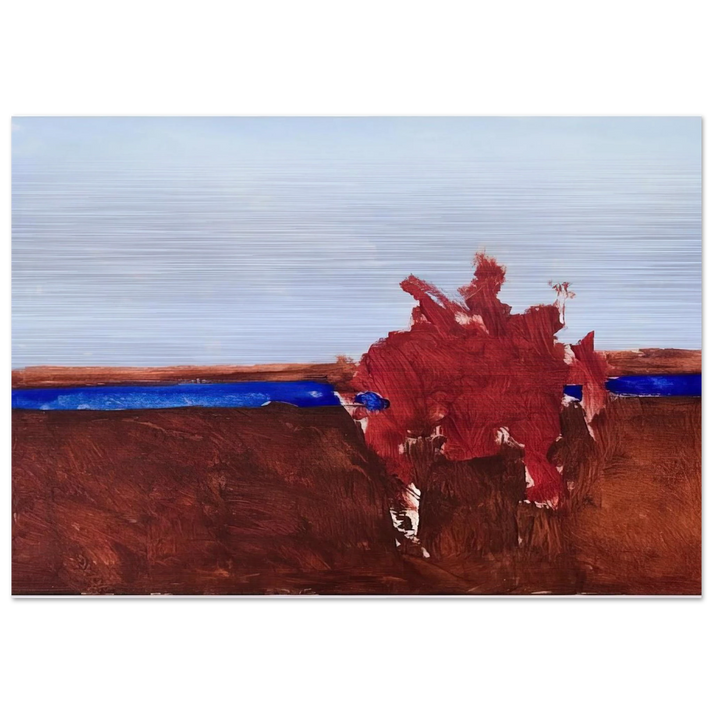
Untitled - 1963 - Theodoros Stamos Brushed Aluminum Print - 70x100 cm / 28x40 inches | Theodoros Stamos Aluminum Print | Theodoros Stamos Prints
Untitled - 1963 - Theodoros Stamos Brushed Aluminum Print - 70x100 cm / 28x40 inches | Theodoros Stamos Aluminum Print | Theodoros Stamos Prints
Couldn't load pickup availability
Untitled - 1963 by Theodoros Stamos: A Brushed Aluminum Print
Immerse yourself in the abstract expressionist vision of Theodoros Stamos with this museum-quality reproduction of his 1963 untitled work. As a key figure in the New York School, Stamos masterfully blended organic forms with a cosmic sensibility, creating pieces that evoke both earthly textures and celestial expanses. This 1963 composition exemplifies his mature style, where gestural brushstrokes and subtle color fields invite deep contemplation and emotional resonance.
RedKalion presents this archival-grade fine art print on premium brushed silver Aluminum DIBOND®, meticulously crafted to honor the original's depth and dynamism. The 3mm (0.12") rigid base ensures durability, while the direct print technology delivers vivid, lasting colors with a sophisticated matte finish. Unprinted areas reveal a striking metallic silver effect, enhancing the artwork's modern aesthetic with a horizontal grain that adds visual movement.
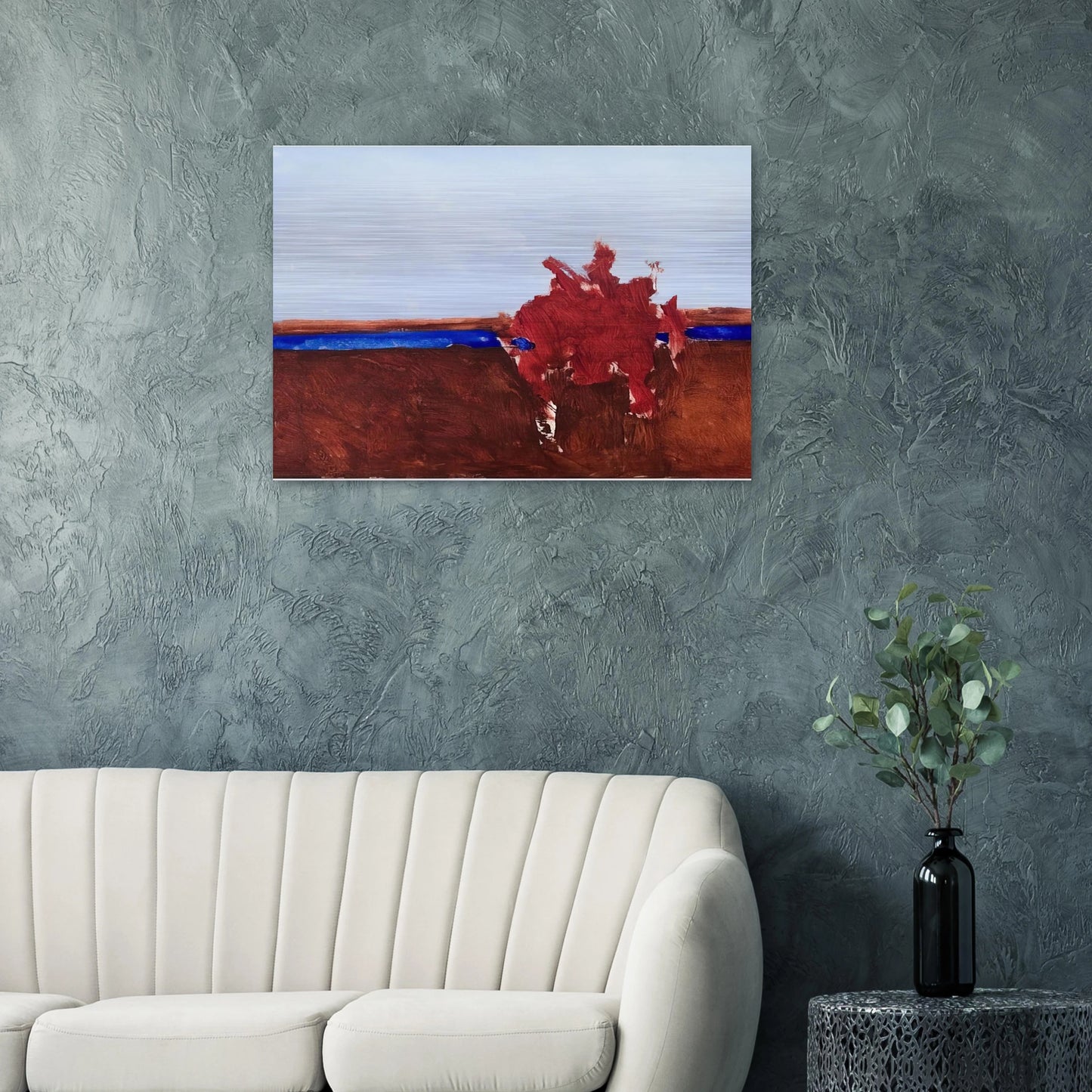
Measuring 70x100 cm (28x40 inches), this Theodoros Stamos aluminum print is ready to transform any space—from a minimalist home office to a curated corporate lobby. Each piece includes a complete hanging kit for effortless installation, allowing you to elevate your environment with a timeless masterpiece that bridges mid-century abstraction and contemporary design. Trust RedKalion for authentic reproductions that capture the essence of artistic legacy.


Discover Unlimited Art Possibilities
At RedKalion, you can find virtually any artwork from any artist, available in a wide range of sizes to perfectly match your space.
If you didn’t find what you’re looking for, contact us at support@redkalion.com . We will source any artwork and produce it in any size and format you need, including art prints, posters, canvas, framed pieces, framed canvas, and more.
For dedicated art enthusiasts, we also offer handcrafted replicas of any artwork, carefully painted by highly skilled artists using traditional techniques.
For custom requests, contact us at support@redkalion.com .
What are the dimensions and material of this Theodoros Stamos print?
This fine art print measures 70x100 cm (28x40 inches) and is crafted on brushed silver Aluminum DIBOND® with a 3mm thickness for a durable, museum-quality reproduction.
How does the brushed aluminum finish enhance the artwork?
The horizontal grain and metallic silver effect in unprinted areas create a dynamic, modern look, ideal for showcasing Stamos's abstract expressionist style with a glare-free matte finish.
Is the hanging kit included with this aluminum art print?
Yes, a complete hanging kit is included for easy installation, though specific components may vary by fulfillment country to ensure secure mounting.
What makes this a high-quality reproduction of Theodoros Stamos's work?
Using direct print technology on archival Aluminum DIBOND®, it offers vivid colors and lasting durability, capturing the essence of Stamos's 1963 untitled piece.
How should I care for this brushed aluminum print to ensure longevity?
Dust gently with a soft, dry cloth; avoid harsh chemicals. The archival materials and matte finish are designed for long-term display without fading.
What is the historical significance of Theodoros Stamos's 1963 untitled artwork?
Created during his peak in the New York School, this piece reflects Stamos's fusion of organic abstraction and cosmic themes, key to mid-20th-century art movements.
Why did Stamos often use untitled names for his works?
Stamos preferred untitled designations to encourage viewers to interpret his abstract forms freely, emphasizing emotional and spiritual connections over literal meanings.