RedKalion
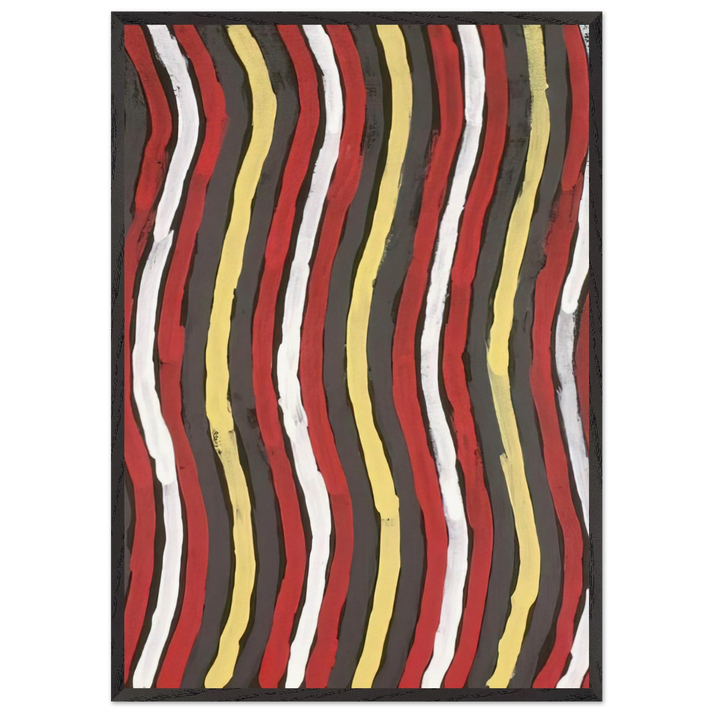
Untitled - 2001 - Clifford Possum Tjapaltjarri 70x100 cm / 28x40 inches Framed Art Print – Black Wooden Frame
Untitled - 2001 - Clifford Possum Tjapaltjarri 70x100 cm / 28x40 inches Framed Art Print – Black Wooden Frame
Couldn't load pickup availability
Untitled - 2001 by Clifford Possum Tjapaltjarri: A Museum-Quality Framed Art Print
Immerse yourself in the profound beauty of Clifford Possum Tjapaltjarri's Untitled - 2001, a masterful example of contemporary Aboriginal art. This fine art print captures the intricate dot work and symbolic storytelling that define Tjapaltjarri's legacy, offering a window into the rich cultural traditions of the Anmatyerre people. The artwork's dynamic composition and earthy palette evoke a sense of ancestral connection and spiritual depth, making it a captivating centerpiece for any modern interior.
RedKalion presents this museum-quality reproduction as a framed art print measuring 70x100 cm (28x40 inches), expertly crafted to honor the original's integrity. Our archival-grade print is produced on 250 gsm (110 lb) matte, uncoated, natural white paper with a thickness of 0.29 mm (11.4 mils), ensuring exceptional durability and color fidelity. The print is elegantly framed in a black wooden frame made from responsibly sourced oak and ash wood, featuring a robust 20mm (0.79") thickness for a substantial, gallery-worthy presence. Protected by shatterproof plexiglass and including a ready-to-hang kit, this piece arrives fully prepared to elevate your space with timeless artistry.
Art Historical Insight: Clifford Possum Tjapaltjarri (c. 1932–2002) was a pioneering figure in the Western Desert art movement, renowned for his innovative use of dot painting to map Dreaming stories onto canvas. His works, like this untitled piece from 2001, often depict ancestral journeys and sacred sites, blending traditional iconography with contemporary abstraction. This print preserves the subtle textures and tonal variations of his technique, allowing you to appreciate the meticulous layering that characterizes his oeuvre.
Choose RedKalion for archival-grade reproductions that combine artistic authenticity with premium craftsmanship. Our commitment to sustainable practices, including FSC-certified materials, ensures that your investment supports both cultural heritage and environmental stewardship. Elevate your home or office with a piece that speaks to enduring beauty and expert curation.

Discover Unlimited Art Possibilities
At RedKalion, you can find virtually any artwork from any artist, available in a wide range of sizes to perfectly match your space.
If you didn’t find what you’re looking for, contact us at support@redkalion.com . We will source any artwork and produce it in any size and format you need, including art prints, posters, canvas, framed pieces, framed canvas, and more.
For dedicated art enthusiasts, we also offer handcrafted replicas of any artwork, carefully painted by highly skilled artists using traditional techniques.
For custom requests, contact us at support@redkalion.com .
What are the dimensions and framing details of this Clifford Possum Tjapaltjarri print?
This framed art print measures 70x100 cm (28x40 inches) and features a black wooden frame made from responsibly sourced oak and ash wood, with a substantial 20mm (0.79") thickness for a premium gallery look.
What type of paper is used for this museum-quality reproduction?
We use 250 gsm (110 lb) matte, uncoated, natural white archival museum-quality paper with a thickness of 0.29 mm (11.4 mils), ideal for fine art prints that resist fading and ensure longevity.
Is this framed print ready to hang upon delivery?
Yes, this framed art print includes a hanging kit and is ready to hang directly on your wall, offering convenience and immediate display of your Clifford Possum Tjapaltjarri artwork.
How does the shatterproof plexiglass protect the print?
The shatterproof plexiglass provides durable protection against impacts and UV light, safeguarding your Untitled - 2001 print while maintaining clarity for optimal viewing of this Aboriginal art masterpiece.
What makes this print an archival-grade reproduction?
This archival-grade reproduction uses FSC-certified sustainable paper and high-quality inks to ensure color stability and resistance to deterioration, making it a lasting investment in fine art.
What is the significance of Clifford Possum Tjapaltjarri's dot painting technique?
Clifford Possum Tjapaltjarri's dot painting technique is a hallmark of Western Desert art, used to depict Dreaming stories and ancestral landscapes with intricate layering that creates depth and movement in works like Untitled - 2001.
How does this artwork reflect Aboriginal cultural traditions?
This artwork reflects Aboriginal cultural traditions through symbolic storytelling and earthy palettes, representing ancestral journeys and spiritual connections central to the Anmatyerre people's heritage.