RedKalion
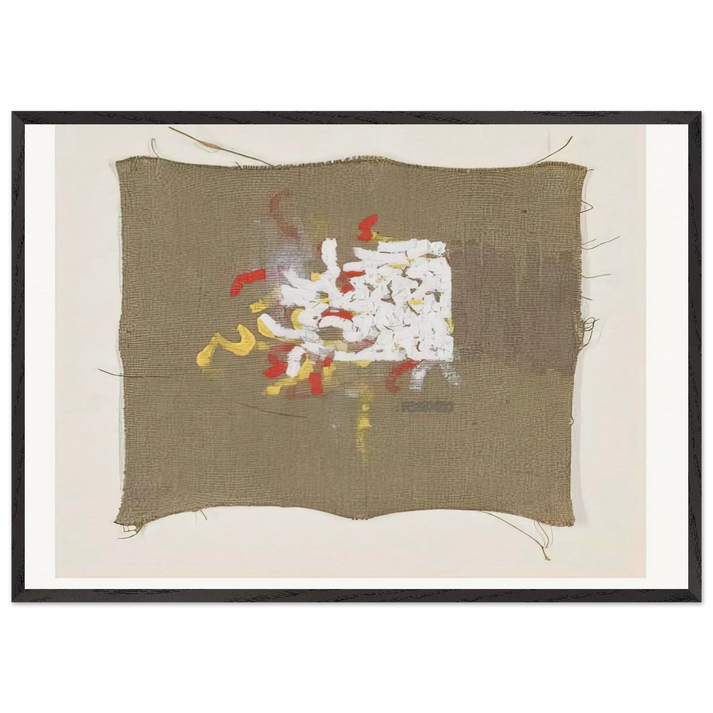
Untitled 36 - Robert Ryman 70x100 cm / 28x40 inches Framed Art Print – Black Wooden Frame
Untitled 36 - Robert Ryman 70x100 cm / 28x40 inches Framed Art Print – Black Wooden Frame
Couldn't load pickup availability
Untitled 36 - Robert Ryman: A Minimalist Masterpiece
Experience the profound simplicity of Robert Ryman's "Untitled 36", a defining work of minimalist art from the 1970s. This museum-quality reproduction captures Ryman's revolutionary approach to painting, where the white square becomes a meditation on light, surface, and materiality. As a leading figure in the New York art scene, Ryman challenged traditional notions of composition, using restrained palettes to explore the essence of artistic expression. Our fine art print honors his legacy with impeccable fidelity, allowing you to bring a piece of art history into your home or office.
Archival Excellence in Every Detail
RedKalion is committed to delivering premium reproductions that stand the test of time. This framed art print features:
- Superior Paper Quality: Printed on 250 gsm (110 lb) matte, uncoated archival museum paper with a natural white finish and 0.29 mm thickness for a luxurious feel.
- Elegant Framing: Housed in a sleek black wooden frame made from responsibly sourced oak and ash wood, with a substantial 20mm (0.79") width for a modern, gallery-worthy presence.
- Enhanced Protection: Safeguarded by shatterproof plexiglass to ensure durability without compromising clarity.
- Sustainable Practices: Crafted with FSC-certified materials, reflecting our dedication to environmental stewardship.
Elevate your space with this ready-to-hang masterpiece that includes a hanging kit for effortless installation. Measuring 70x100 cm (28x40 inches), it commands attention while evoking a serene, contemplative mood—perfect for minimalist interiors or as a focal point in any room.

Discover Unlimited Art Possibilities
At RedKalion, you can find virtually any artwork from any artist, available in a wide range of sizes to perfectly match your space.
If you didn’t find what you’re looking for, contact us at support@redkalion.com . We will source any artwork and produce it in any size and format you need, including art prints, posters, canvas, framed pieces, framed canvas, and more.
For dedicated art enthusiasts, we also offer handcrafted replicas of any artwork, carefully painted by highly skilled artists using traditional techniques.
For custom requests, contact us at support@redkalion.com .
What are the dimensions of this Robert Ryman framed print?
The print measures 70x100 cm (28x40 inches), framed in a black wooden frame that is 20mm (0.79") thick and wide, providing a substantial, gallery-quality presence for this minimalist art piece.
What type of paper is used for this fine art reproduction?
We use 250 gsm (110 lb) matte, uncoated archival museum paper with a natural white finish and 0.29 mm thickness, ensuring a premium, durable surface ideal for high-quality art prints.
Is this framed print ready to hang?
Yes, it comes with a hanging kit included, so you can display this Robert Ryman artwork directly on your wall without any additional setup.
How does the frame protect the print?
The frame features shatterproof plexiglass, which safeguards the print from damage while maintaining clear visibility, and is made from responsibly sourced oak and ash wood for sustainability.
Is the paper environmentally friendly?
Yes, we use FSC-certified materials or equivalent, ensuring our archival museum-quality paper supports sustainable forestry practices.
What makes Robert Ryman's "Untitled 36" significant in art history?
"Untitled 36" exemplifies Ryman's minimalist style from the 1970s, focusing on white squares to explore light and materiality, challenging traditional painting norms and influencing contemporary art movements.
How does this reproduction capture Ryman's artistic technique?
Our print replicates Ryman's emphasis on surface texture and subtle tonal variations, using high-quality archival paper to reflect his meticulous approach to minimalist composition and material exploration.